Eman Sakina
In every generation, young people face their own set of trials. Today’s youth encounter academic pressure, social expectations, digital distractions, identity confusion, and emotional struggles that often feel overwhelming. In such a climate, resilience—the ability to remain firm, hopeful, and balanced in the face of difficulty—has become an essential life skill. Islam, however, has long nurtured this quality within believers through faith, character, and purposeful living.
Friday Musings
Resilience in Islam is not merely about “coping” with hardship. It is about growing through it, finding meaning in it, and drawing closer to Allah because of it. The Qur’an and the lives of the Prophets and their companions provide timeless guidance for building inner strength that helps youth navigate life’s storms with dignity and hope.
One of the first steps toward resilience is changing how we view hardships. The Qur’an clearly tells us: “Do people think they will be left to say, ‘We believe,’ and they will not be tested?” (Qur’an 29:2)
For a young Muslim, this verse is empowering. Struggles are not signs of failure or abandonment; they are part of the journey of faith. Exams, disappointments, peer pressure, and emotional setbacks are not meaningless burdens. They are opportunities to grow in patience (sabr), trust (tawakkul), and maturity.
When youth understand that trials are expected and purposeful, they stop seeing difficulty as an enemy and start seeing it as a teacher.
Resilience is deeply tied to spiritual strength. A heart connected to Allah does not break easily because it knows where to turn for comfort.
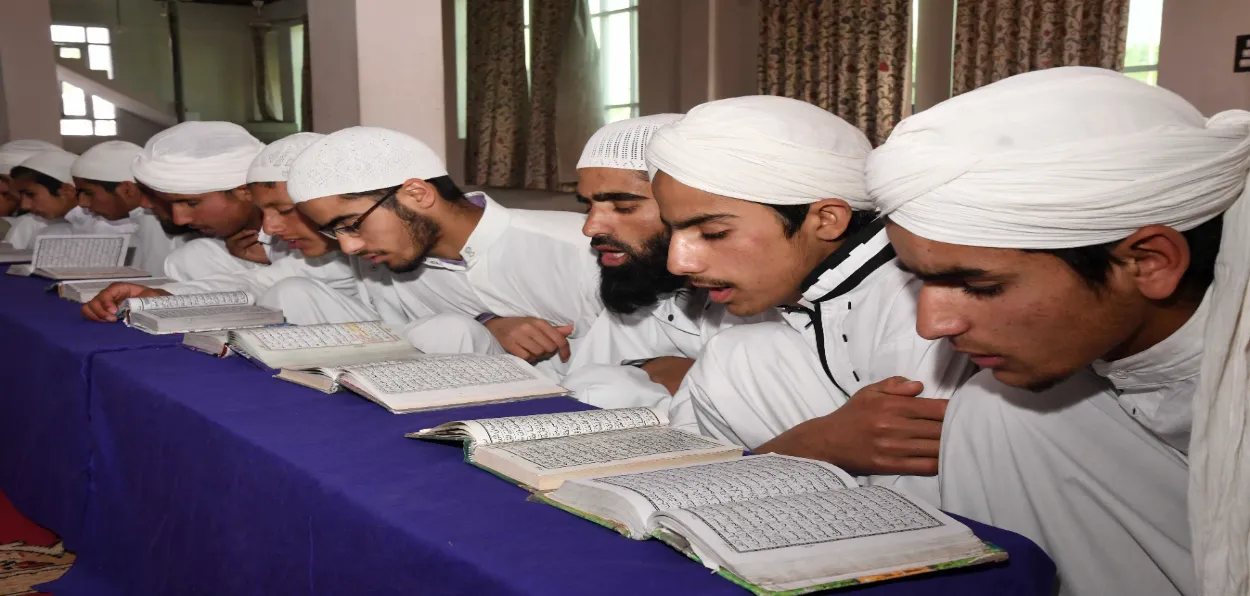
Regular prayer, recitation of the Qur’an, and remembrance (dhikr) create a spiritual anchor. When a young person consistently performs salah, they develop a routine of pausing, reflecting, and reconnecting with their Creator. This daily discipline builds emotional stability.
Allah says: “Verily, in the remembrance of Allah do hearts find rest.” (Qur’an 13:28)
In moments of anxiety, confusion, or sadness, youth who are accustomed to turning to Allah find a source of calm that no worldly distraction can provide.
The Prophet said, “Whoever remains patient, Allah will make him patient. No one is given a gift better and vaster than patience.” (Bukhari & Muslim)
Patience is learned through small daily choices that build long-term resilience.
Many young people struggle with self-esteem due to social media comparisons and societal standards. Islam offers a powerful antidote: your worth is not defined by appearance, popularity, or wealth, but by your taqwa (God-consciousness).
“Indeed, the most honourable of you in the sight of Allah is the most righteous of you.” (Qur’an 49:13)
This perspective frees youth from unhealthy comparisons. They begin to measure success by character, sincerity, and effort rather than external approval.
Drawing Lessons from the Prophets
The stories of the Prophets are lessons in resilience:
Prophet Yusuf faced betrayal, false accusations, and imprisonment, yet never lost hope.
Prophet Ayyub endured illness and loss with unwavering patience.
Prophet Musa confronted fear and oppression but trusted Allah’s plan.
Prophet Muhammad faced rejection, persecution, and loss but remained steadfast.
These are not distant stories; they are examples meant to inspire young believers to remain firm during their own struggles.
Islam emphasises the importance of good company. Friends can either strengthen resilience or weaken it. The Prophet compared good companionship to a perfume seller whose presence benefits you.
Youth who surround themselves with positive, faith-conscious friends find encouragement during difficult times. They share advice, remind each other of Allah, and provide emotional support.
Resilience grows in community, not isolation.
Gratitude changes perspective. When young people focus only on what is missing, life feels heavy. But when they reflect on what they have, hope returns.
Keeping a habit of thanking Allah for daily blessings—even small ones—builds emotional strength. Gratitude trains the mind to look for light even in dark situations.
“If you are grateful, I will surely increase you.” (Qur’an 14:7)
Islam encourages youth to live with purpose. When young people set meaningful goals—seeking knowledge, serving others, improving character—they become less overwhelmed by temporary setbacks.
A purposeful life creates direction, and direction strengthens resilience.
Failure is often seen as defeat, but Islam views it as a learning experience. The Prophet taught that mistakes are part of being human, and the best people are those who repent and improve.
ALSO READ: Khan Sir’s affordable hospital in Patna becomes lifeline for poor
Youth who understand this do not crumble after mistakes; they rise stronger, wiser, and humbler.