New Delhi
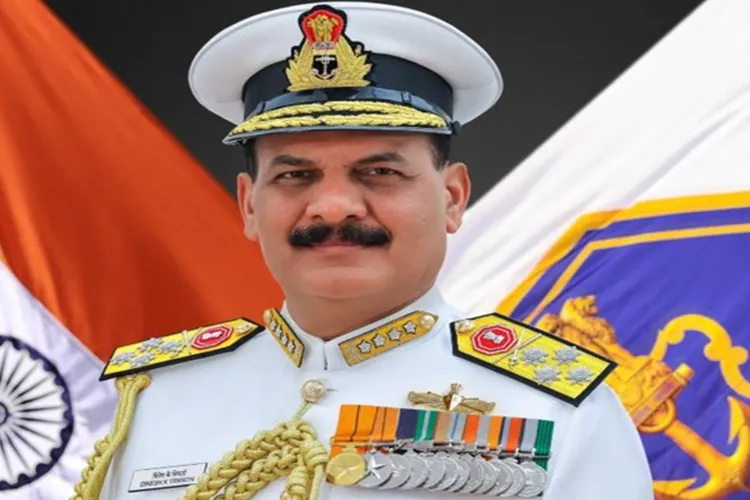
Chief of Naval Staff Dinesh K Tripathi on Saturday emphasised the continued relevance of aircraft carriers in India's maritime strategy, stating that Carrier Battle Groups (CBGs) remain indispensable for deterrence, sea control and power projection, particularly in the Indo-Pacific region.
In an interview with ANI, Admiral Tripathi said aircraft carriers play a crucial role in safeguarding India's expanding strategic and economic interests stretching from the Persian Gulf to the Malacca Strait.
“Aircraft carriers continue to be a key element of maritime power. They provide the ability to project force, maintain sea control, strengthen deterrence and exert strategic influence across vast maritime spaces,” he said while responding to a question regarding the possible induction of a third aircraft carrier into the Indian Navy.
The Naval Chief noted that the importance of Carrier Battle Groups was clearly demonstrated during Operation Sindoor, when the swift deployment of a naval carrier group significantly enhanced India's strategic posture.
According to Admiral Tripathi, the presence of the Carrier Battle Group during the operation compelled the opposing navy to remain restricted to its ports and areas close to the Makran coast, highlighting the deterrent value of such assets.
He described an aircraft carrier-led battle group as a powerful symbol of sovereign military capability at sea and an essential instrument for maintaining maritime dominance and security.
Earlier, Admiral Tripathi met Prime Minister Narendra Modi and briefed him on the prevailing security situation in the Indian Ocean Region, the operational preparedness of the Indian Navy and emerging challenges in the maritime domain.
The meeting took place on Friday, shortly before Admiral Tripathi’s scheduled retirement from service on May 31, bringing to a close a distinguished naval career.
According to the Indian Navy, the outgoing Chief of Naval Staff also discussed the evolving maritime security environment and the impact of rapidly advancing technologies on naval operations and regional stability.
New Delhi [India], May 30: Chief of Naval Staff Dinesh K Tripathi on Saturday emphasised the continued relevance of aircraft carriers in India's maritime strategy, stating that Carrier Battle Groups (CBGs) remain indispensable for deterrence, sea control and power projection, particularly in the Indo-Pacific region.
In an interview with ANI, Admiral Tripathi said aircraft carriers play a crucial role in safeguarding India's expanding strategic and economic interests stretching from the Persian Gulf to the Malacca Strait.
“Aircraft carriers continue to be a key element of maritime power. They provide the ability to project force, maintain sea control, strengthen deterrence and exert strategic influence across vast maritime spaces,” he said while responding to a question regarding the possible induction of a third aircraft carrier into the Indian Navy.
The Naval Chief noted that the importance of Carrier Battle Groups was clearly demonstrated during Operation Sindoor, when the swift deployment of a naval carrier group significantly enhanced India's strategic posture.
According to Admiral Tripathi, the presence of the Carrier Battle Group during the operation compelled the opposing navy to remain restricted to its ports and areas close to the Makran coast, highlighting the deterrent value of such assets.
He described an aircraft carrier-led battle group as a powerful symbol of sovereign military capability at sea and an essential instrument for maintaining maritime dominance and security.
Earlier, Admiral Tripathi met Prime Minister Narendra Modi and briefed him on the prevailing security situation in the Indian Ocean Region, the operational preparedness of the Indian Navy and emerging challenges in the maritime domain.
The meeting took place on Friday, shortly before Admiral Tripathi’s scheduled retirement from service on May 31, bringing to a close a distinguished naval career.
READ MORE: Hazrat Hajar's sacrifice is part of Eid al-Adha's fable
According to the Indian Navy, the outgoing Chief of Naval Staff also discussed the evolving maritime security environment and the impact of rapidly advancing technologies on naval operations and regional stability.











.webp "Senior Congress leader D. K. Shivakumar")