New Delhi
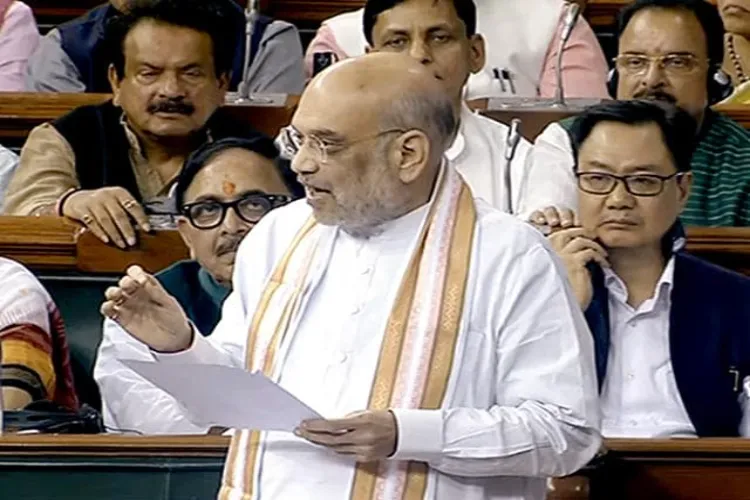
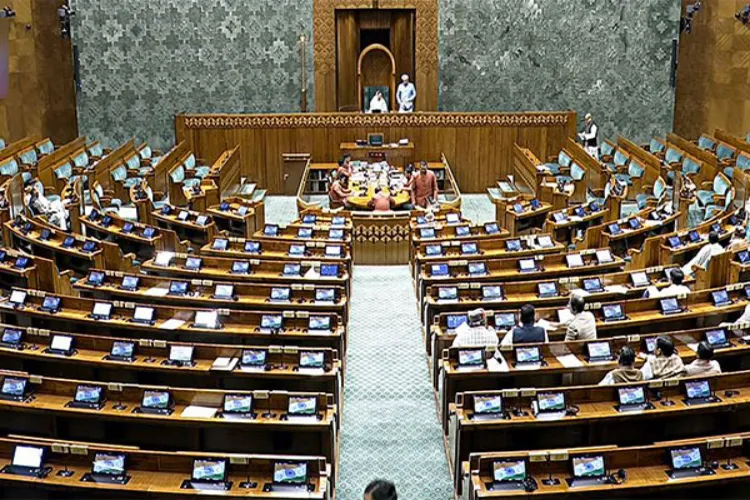
Union Home Minister Amit Shah on Monday said that the government has achieved its target of eliminating Naxalism, asserting in the Lok Sabha that India has effectively become “Naxal-free.”
Replying to a debate on efforts to curb Left Wing Extremism, Shah said the government had set a deadline of March 31 to eradicate Naxalism and expressed confidence that the goal has been met. “We had set a target to make the region Naxal-free by March 31… I can state with absolute confidence that we have indeed become Naxal-free,” he said.
Detailing the government’s anti-Naxal operations, Shah noted that security forces have made significant progress in recent years. According to him, 4,839 Naxalites have surrendered, 2,218 have been arrested and sent to jail, while 706 were killed in encounters after refusing to surrender.
He further highlighted that several states had already achieved near-complete elimination of Naxal activity before 2024. Bihar, Odisha, and most parts of Maharashtra and Jharkhand were largely free of Naxal influence, he said, with only isolated areas remaining affected.
During his address, Shah also launched a sharp political attack on Leader of Opposition Rahul Gandhi, alleging that the Congress leader had been associated with Naxal sympathisers on multiple occasions. He claimed that individuals linked to Naxal front organisations had participated in the Bharat Jodo Yatra and cited past instances where Gandhi shared public platforms with controversial figures.
Shah criticised the Congress’ past governance in states such as Chhattisgarh, alleging that previous administrations had “shielded Naxalites,” which he said hampered efforts to curb extremism.
The Home Minister also took aim at opposition parties for backing former Supreme Court judge B. Sudarshan Reddy as a Vice-Presidential candidate. Referring to the 2011 Supreme Court judgment in the Salwa Judum case, he argued that the ruling had adverse consequences, including increased targeting of individuals associated with anti-Naxal movements.
“Anyone who truly believes in the rule of law would not have chosen such a candidate,” Shah said, adding that Reddy later lost the Vice-Presidential election to C. P. Radhakrishnan.
Shah also criticised what he termed “Urban Naxals,” accusing certain intellectual circles of advocating dialogue with armed Maoists while ignoring the plight of civilians affected by their violence. He questioned the selective expression of concern, stating that sympathy should extend to innocent citizens impacted by extremism.
Tracing the historical roots of the movement, Shah said that the Communist Party of India was established in 1925 with ideological influences from abroad, followed by the formation of the Communist Party of India (Marxist) in 1964. He added that the Communist Party of India (Marxist-Leninist), founded in 1969, explicitly aimed to pursue armed revolution in opposition to parliamentary democracy.
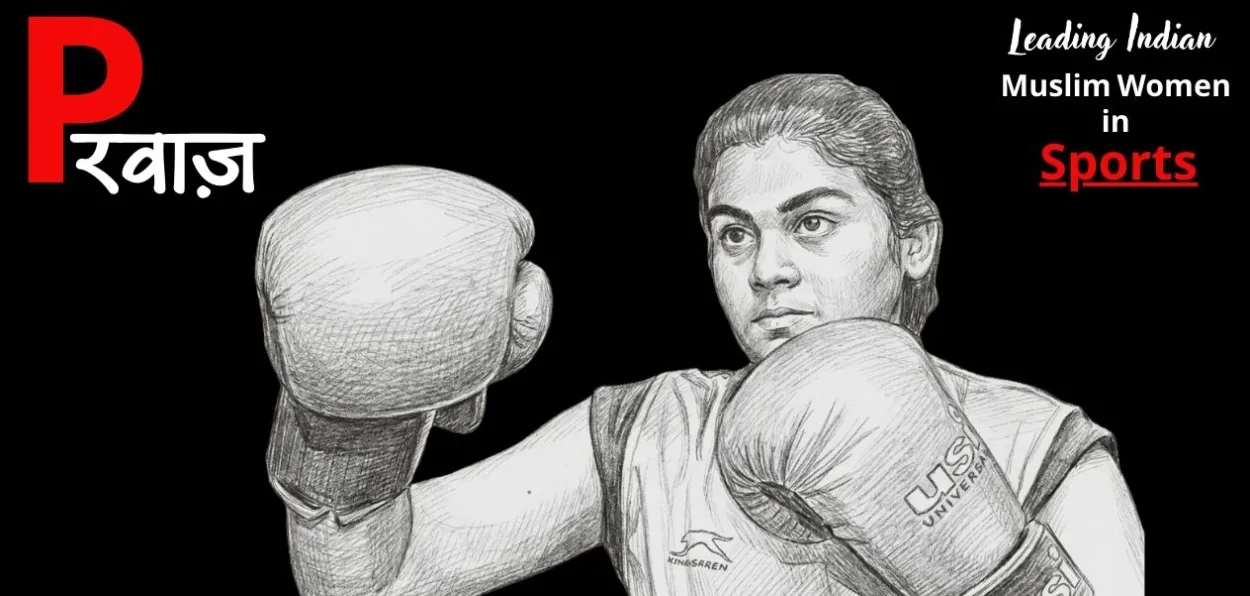
ALSO READ: Alfiya Pathan: The rising boxing Star from Nagpur, aspiring to be the Next Mary Kom
The Home Minister reiterated that the government remains committed to ensuring development, law and order, and security in regions previously affected by Left Wing Extremism, marking what he described as a significant milestone in India’s internal security landscape.


.webp "Justice Poonam A. Bamba with Captain Amarinder Singh")








.webp "J&K CM Omar Abdullah")

.webp)
.webp)