New Delhi
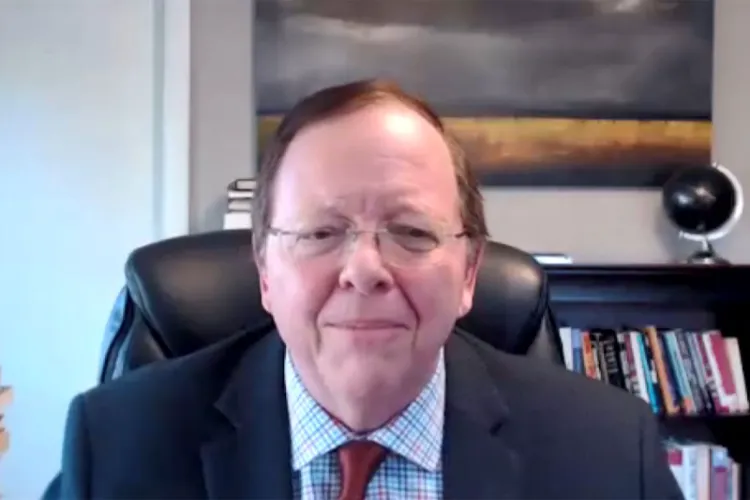
As the ongoing conflict involving Israel, the United States, and Iran enters its second month, noted American political scientist Robert Pape has warned that prolonged disruptions could severely impact global energy supplies, with countries like India facing significant challenges.
In an interview with ANI, Pape said there is a “70 per cent chance” of the US launching a ground invasion of Iran, a move that could further destabilise the region and intensify pressure on global oil markets.
Highlighting the strategic importance of the Strait of Hormuz, Pape said Iran’s control over the crucial passage has enhanced its geopolitical leverage. He claimed that Iran now effectively influences around 20 per cent of the world’s oil supply, making it a central player in the ongoing crisis.
Pape cautioned that rising oil prices would have cascading effects on global economies. “As the price of oil goes up, the price of food goes up,” he said, explaining that wealthier nations may absorb higher costs, but poorer countries would face both inflation and actual shortages.
He warned that nearly 2.5 billion people across the Global South could experience fuel shortages in the coming months. For countries like India, the crisis may go beyond price shocks to include real supply disruptions. “Supply will literally start to disappear for India,” he said, contrasting it with developed economies that may still secure supplies despite higher prices.
According to Pape, global oil production cannot quickly compensate for a large-scale disruption. “If supply drops from 100 million barrels a day to 80, it cannot simply be restored,” he noted, adding that such shortages would disproportionately affect developing nations.
He also pointed to the broader implications for agriculture, noting that disruptions in fuel supply would affect fertiliser production and distribution, worsening food security in vulnerable regions.
On India’s geopolitical positioning, Pape observed that New Delhi appears to be cautiously strengthening ties with Iran to safeguard its energy interests. He described this as “bandwagoning” in international relations, where countries align with a dominant power to secure strategic benefits.
“India has a civilisational relationship with Iran and is slowly warming up to it,” he said, adding that Indian oil tankers are continuing to navigate the Strait of Hormuz, possibly facilitated by diplomatic engagement between the two nations.
However, he noted that India is likely balancing this approach carefully to avoid straining relations with the United States.
Pape also remarked on the domestic political implications of the conflict in the US, stating that the war could carry significant costs for President Donald Trump.
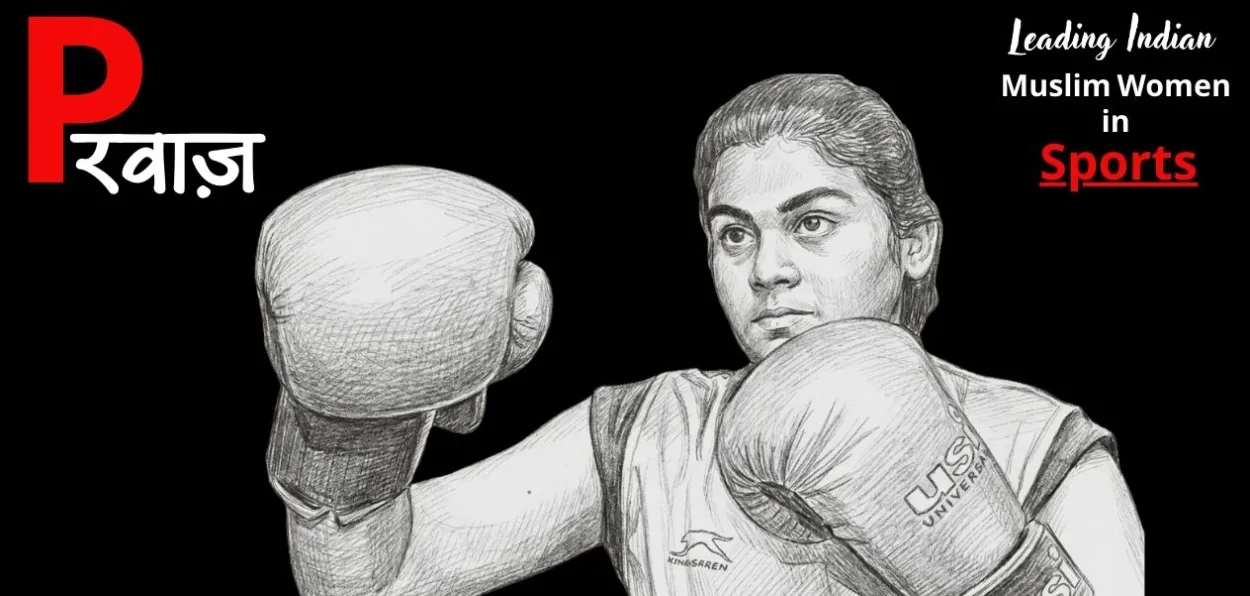
ALSO READ: Alfiya Pathan: The rising boxing Star from Nagpur, aspiring to be the Next Mary Kom
He concluded by emphasising that the crisis is still evolving and that the full economic impact—particularly in terms of shortages rather than just price increases—has yet to be felt globally.


.webp "Justice Poonam A. Bamba with Captain Amarinder Singh")







.webp "J&K CM Omar Abdullah")
.webp)
.webp)