New Delhi
As global energy markets remain under pressure due to the prolonged conflict in West Asia, the Indian government on Monday launched a broad conservation and preparedness strategy aimed at reducing fuel consumption, protecting foreign exchange reserves and strengthening long-term economic resilience.
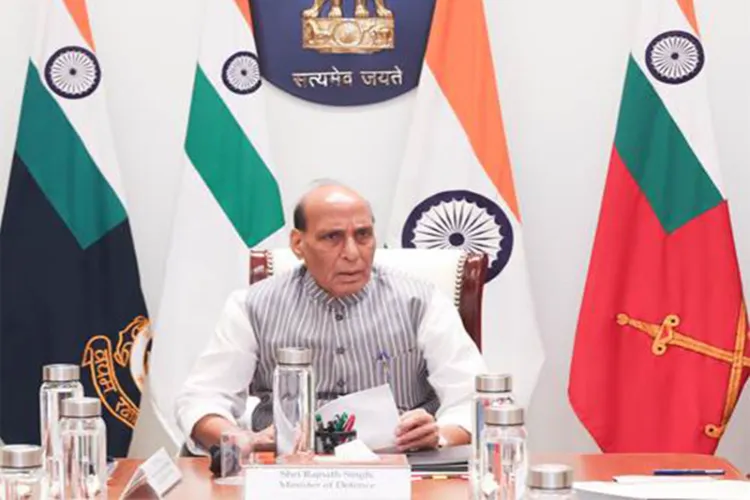
The strategy was finalised during the 5th Informal Group of Ministers (IGoM) meeting chaired by Defence Minister Rajnath Singh, with several Union ministers participating.
According to the government, India’s immediate energy security remains stable despite international volatility. Officials informed the IGoM that the country currently holds around 60 days of crude oil reserves, 60 days of natural gas reserves and 45 days of LPG rolling stock. India’s foreign exchange reserves were stated to be around USD 703 billion.
The government also emphasised that there is no shortage of petroleum products or essential commodities and urged citizens not to panic or engage in unnecessary bulk purchasing.
The meeting came amid rising global crude prices and supply disruptions linked to the continuing conflict involving the US, Israel and Iran in West Asia. The government said India has managed to shield consumers from major fuel price hikes despite international markets witnessing increases of 30 to 70 per cent in several countries.
However, officials noted that this stability is coming at a substantial fiscal cost. Oil marketing companies are reportedly absorbing losses of nearly Rs 1,000 crore per day, with estimated under-recoveries touching around Rs 2 lakh crore in the first quarter of 2026.
Prime Minister Narendra Modi had earlier appealed to citizens to adopt fuel-saving measures and reduce dependence on imports. The government said every litre of petrol or diesel saved helps reduce pressure on foreign exchange reserves and lowers the national import bill.
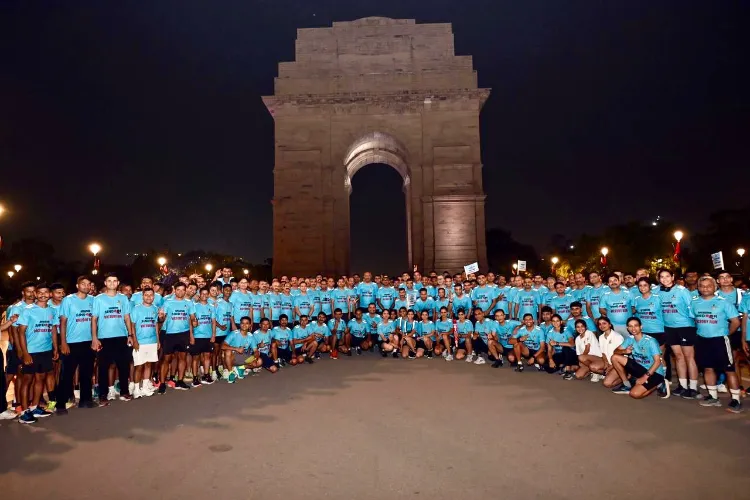
The Prime Minister urged citizens to use metros and public transport, adopt carpooling, reduce unnecessary foreign travel, prioritise domestic tourism and avoid non-essential gold purchases for a year. He also encouraged virtual meetings and work-from-home practices wherever possible.
Farmers were urged to reduce chemical fertiliser usage by 50 per cent, move towards natural farming and adopt solar-powered irrigation pumps to reduce energy dependence and protect soil health.
Rajnath Singh stressed the need to institutionalise fuel efficiency and responsible consumption practices across ministries and states. He also called for accelerated expansion of renewable energy sources, diversified energy supply chains and greater investments in energy-efficient technologies.
The Defence Minister said the West Asia conflict should not be viewed as an isolated event because modern global crises affect interconnected economies worldwide. He emphasised the importance of strategic planning, early warning systems and whole-of-government preparedness.
The government also highlighted support measures for industries and MSMEs. It noted that the Union Cabinet had approved the Emergency Credit Line Guarantee Scheme 5.0, aimed at providing additional credit flow of Rs 2.55 lakh crore with government-backed guarantees for MSMEs, non-MSMEs and the airline sector.
Additionally, the Finance Ministry has enabled force majeure-related relief for businesses affected by the ongoing crisis, including extensions of performance deadlines in public procurement contracts.
Officials also informed the IGoM that fertiliser stocks remain strong. Total fertiliser availability stood at 199.65 lakh tonnes as of May 11, 2026, significantly higher than the same period last year and well above normal reserve levels required for the Kharif season.
READ MORE: 10 Muslims women academicians of India
The government described the conservation campaign not as a response to shortages, but as an effort to build long-term national resilience and reduce vulnerability to future global supply chain disruptions.










.webp "Prime Minister Narendra Modi")
.webp "Prime Minister Narendra Modi")
.webp "Prime Minister Narendra Modi")


_(1).webp)