New Delhi
India’s economic resilience amid rising geopolitical tensions, changing global trade, rapid technological advances and worsening climate challenges will depend on flexible policymaking and the country’s ability to adapt to change, Vice President C P Radhakrishnan said on Saturday.
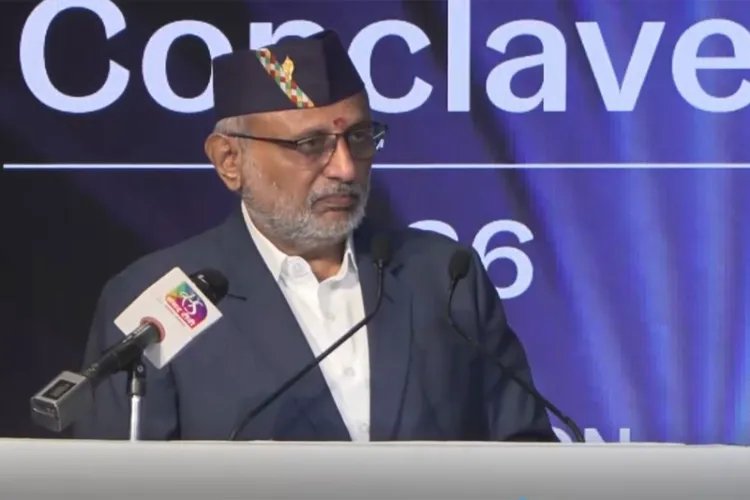
Addressing the inaugural session of the fifth Kautilya Economic Conclave in New Delhi, Radhakrishnan said policymakers must closely track changing global conditions while framing economic policies.
“The policy makers should always understand the ground realities and the situation. That is very, very important. We have to be so flexible in making the policy so that the policy itself should become big success,” he said.
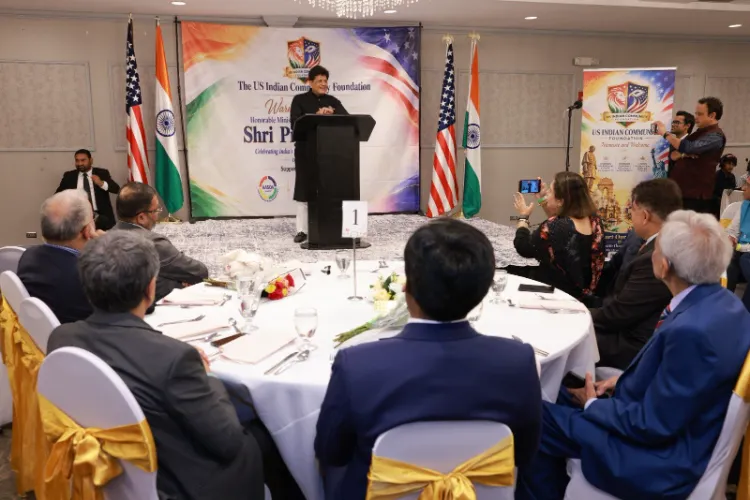
The remarks came as the three-day conclave opened with the theme “Resilience in an Age of Flux”. Global economic shocks, trade fragmentation, investment, technology and India’s economic priorities are among the key areas of discussion at the conclave.
Radhakrishnan said the global economic environment was undergoing unusually rapid change.
“Geopolitical tensions are rising always. Global trade is changing. Technology is advancing rapidly. Climate challenges are intensifying than ever,” he said.
He said India’s response should be to adapt rather than resist these shifts.
“In an age of flux, India's resilience will come not from resisting change, but from embracing it with confidence, inclusion, and a spirit of collective endeavor,” he said.
Radhakrishnan said India was entering the current phase of global uncertainty from a position of economic strength, pointing to real GDP growth of 7.8 per cent in the first quarter of 2026-27.
He also said economic resilience could not be measured only through headline growth and needed to be supported by broader participation in the economy.
“It's not that a country can be called a well-developed country only by seeing the GDP. How the GDP is being benefited to every section of the society of that country should be taken into account,” he said.
The Vice President pointed to financial inclusion, direct benefit transfers, GST-led formalisation and women’s self-help groups as examples of how wider participation could strengthen economic resilience.
He also said India’s long-term resilience would depend on strengthening its research ecosystem and deepening collaboration with global institutions.
“India's resilience in the long run will also depend on the strength of its research ecosystem. This requires collaboration between Indian and global institutions,” he said.
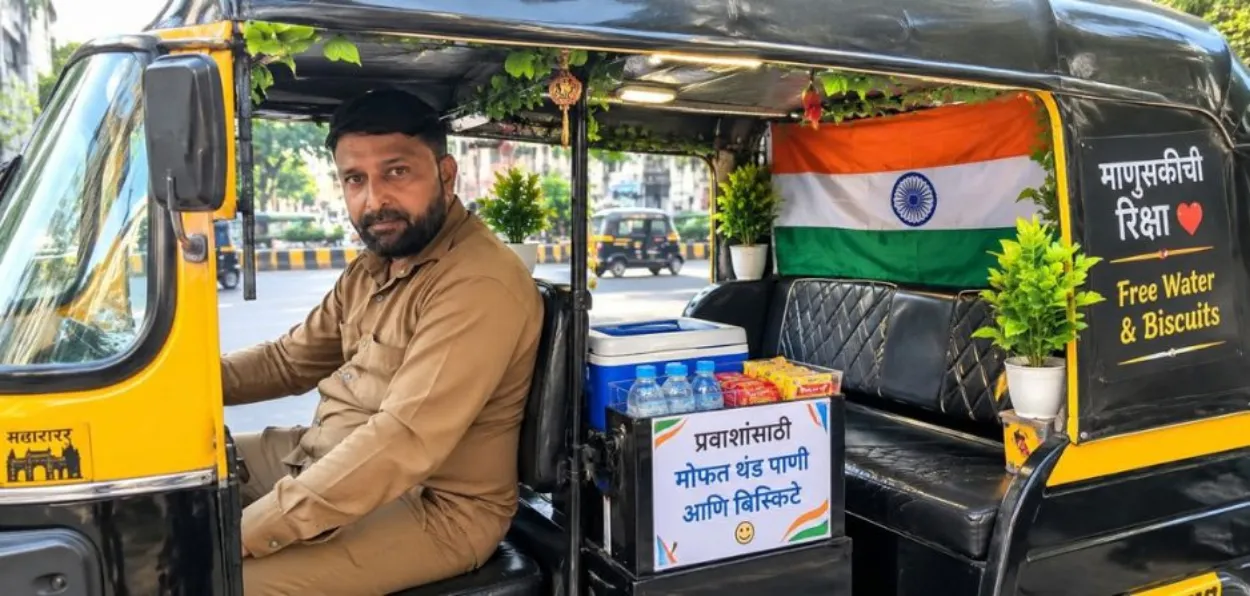
READ MORE:Habib Shaikh's VIP Auto: Where passengers get water; strays get care
Radhakrishnan added that such partnerships could support innovation, entrepreneurship and joint projects in research, education and policy, particularly in the context of India’s free trade agreements.
The Kautilya Economic Conclave is being held in New Delhi from October 3 to October 5.