




Hyderabad
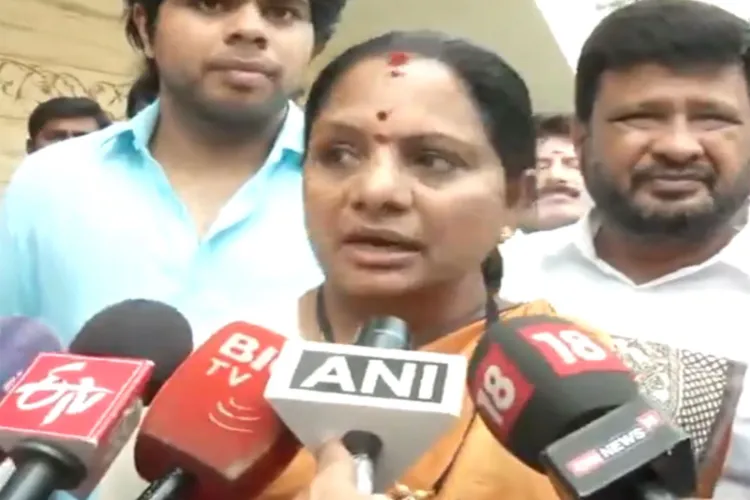
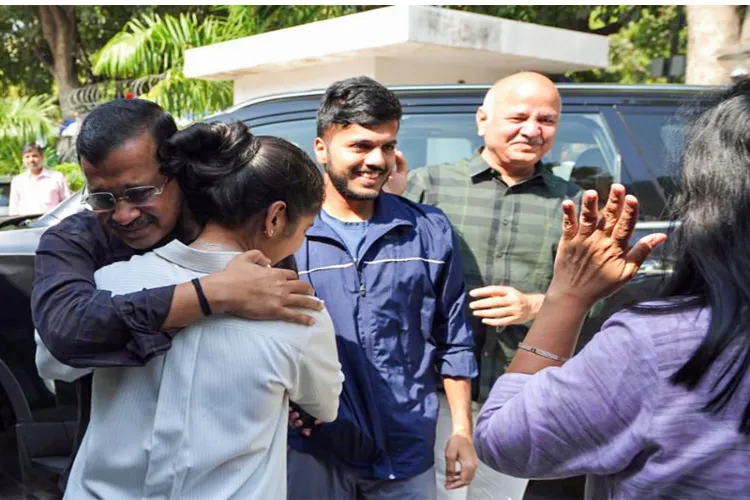
Telangana Jagruthi president K Kavitha, who was discharged from the Delhi excise policy case on Friday, thanked the judiciary, describing the case as politically motivated and driven by “political vendetta”.
Speaking to reporters, Kavitha said the judiciary had “cut through the web of lies” surrounding the case and expressed gratitude to those who stood by her during the legal battle.
“I have said a hundred times that we have nothing to do with this case. This is a politically motivated case. As part of political vendetta, it was imposed on Opposition parties. I am thankful to the judiciary for upholding our faith in the judicial system of this country,” she said.
Kavitha added that truth may be suppressed temporarily but can never be defeated. She reiterated that her father, K Chandrasekhar Rao, and the Bharat Rashtra Samithi had consistently maintained that the case was an attack on the party and its leadership, with the impact being felt personally by her.
“Who will account for the time I lost with my children and my family?” she asked.
Her son, Devanapalli Anil Aaditya, also welcomed the verdict, calling it the end of a politically motivated case and asserting that the people of Telangana had always known the truth.
Kavitha’s counsel, advocate Nitesh Rana, said the court discharged all the accused after finding that the investigation conducted by the Central Bureau of Investigation lacked proper material and evidence. He also noted that the court objected to the use of the term “South Lobby” and held that once the predicate offence was dropped, the money laundering case could not continue.
A special court in the national capital discharged all 23 accused in the case, including former Delhi chief minister Arvind Kejriwal and former deputy chief minister Manish Sisodia. The order was pronounced by Special Judge (PC Act) Jitender Singh of the Rouse Avenue Court, which ruled that there was no overarching conspiracy or criminal intent in the formulation of the excise policy and that the prosecution’s case did not withstand judicial scrutiny.
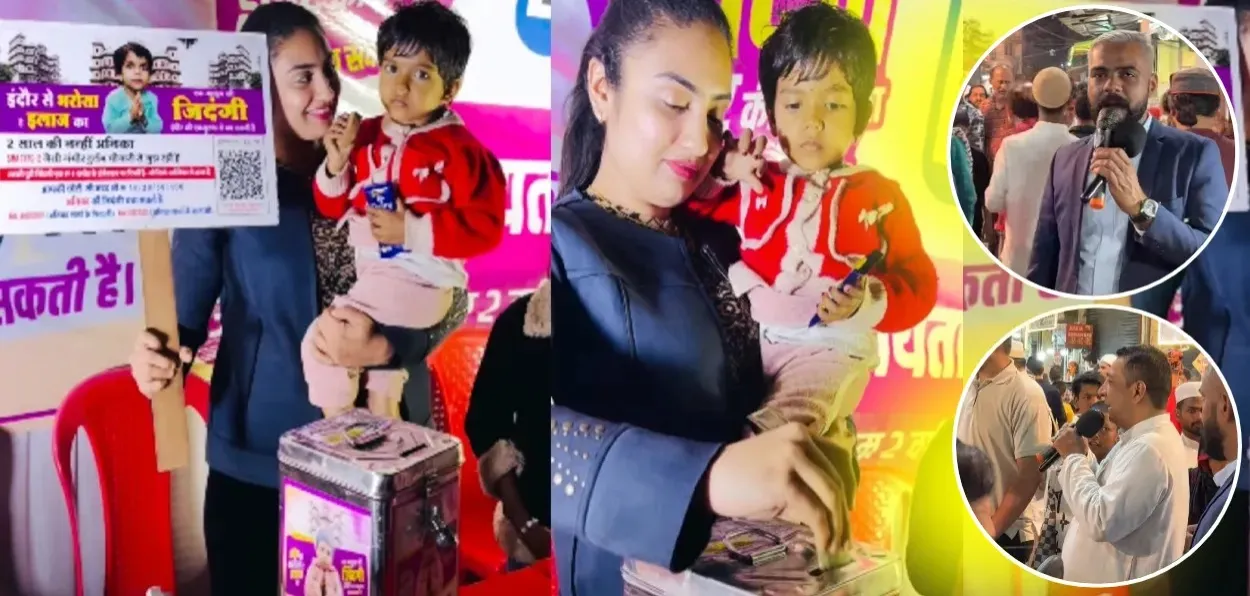
READ MORE: Anika’s battle for life: Muslims extend a helping hand
The court also criticised the investigative approach, particularly the reliance on approver statements, warning that such practices could amount to serious violations of constitutional principles.









.webp "Representational Image")
.webp "Chhattisgarh Assembly")
.webp)

.webp)