Barpeta
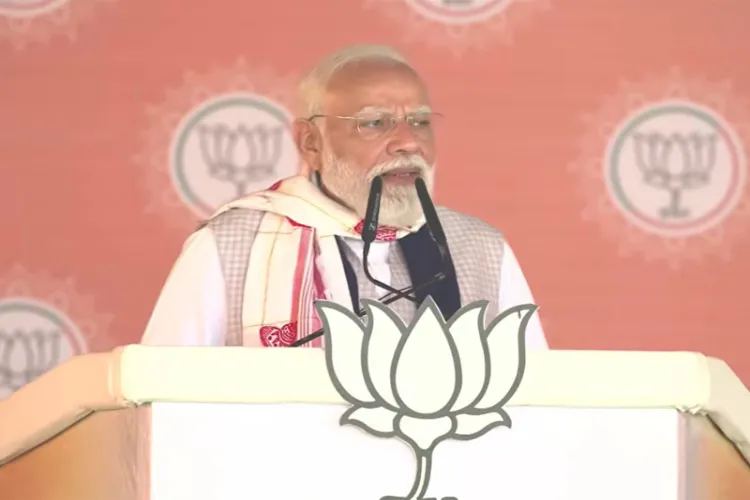
Prime Minister Narendra Modi on Monday sought to allay concerns over the proposed implementation of the Women’s Reservation law, asserting that no state would lose representation due to the move.
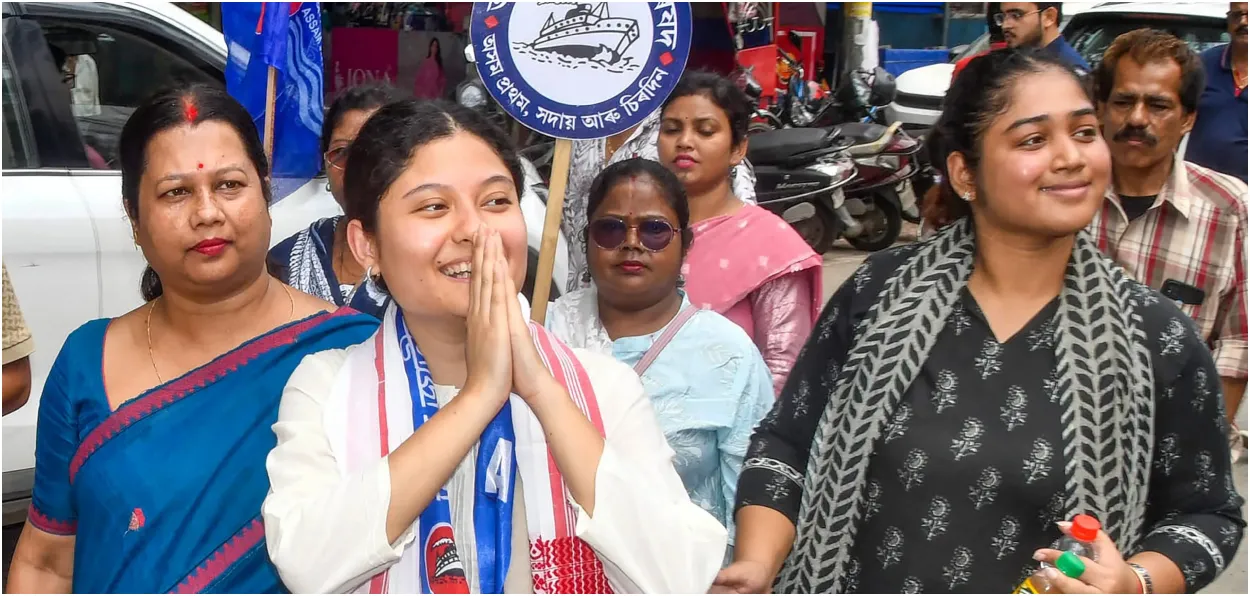
Addressing a rally in Assam’s Barpeta, Modi said the Centre has convened a special session of Parliament from April 16 to take forward the legislation, and has reached out to all political parties to ensure broad-based support.
He cautioned against what he described as attempts to create confusion around the initiative, emphasising that the plan is intended to expand opportunities for women rather than reduce existing representation. According to the Prime Minister, additional seats would be created to accommodate reservations, ensuring that states—particularly those in the Northeast and southern regions that have implemented population control measures—do not face any disadvantage.
Calling for unity, Modi urged leaders across party lines to back the measure, saying it is aimed at strengthening the rights of women across the country.
During his address, the Prime Minister also spoke about Assam’s progress, stating that the state has witnessed improved peace and stability after years of unrest. He argued that maintaining this trajectory requires keeping the Indian National Congress out of power, while accusing the party of undermining the armed forces in the past.
Highlighting agricultural issues, Modi said the minimum support price (MSP) for paddy has seen a significant rise under his government—from around Rs 1,300 per quintal in 2013 to Rs 2,370 now. He added that total MSP payments to farmers have increased substantially over the past decade.
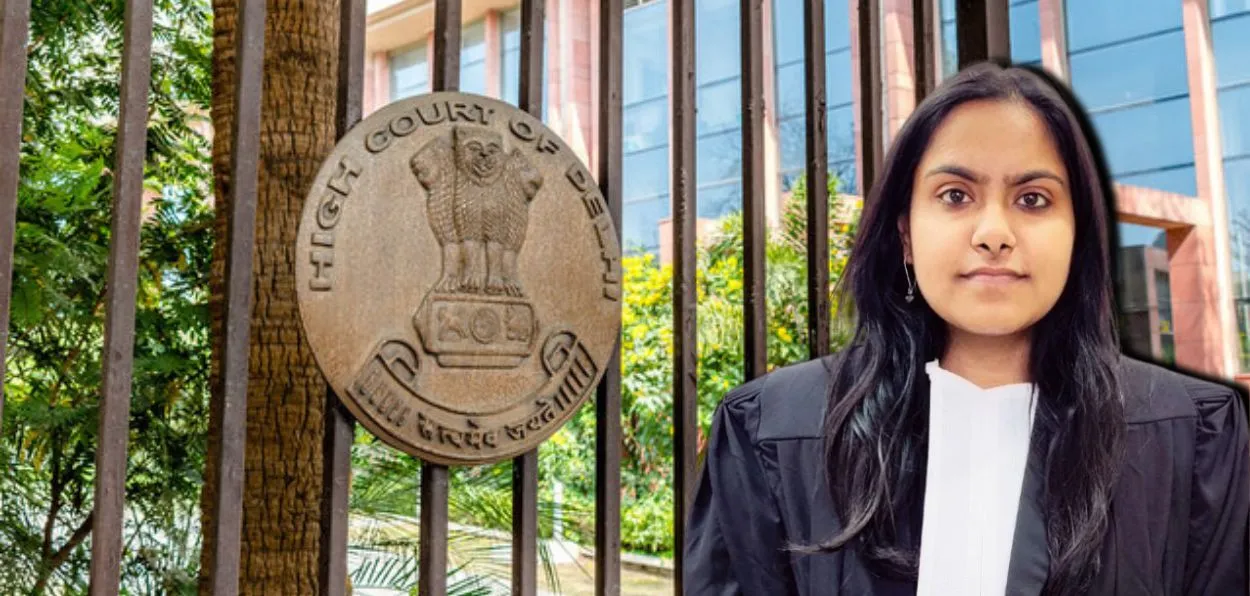
READ MORE: Delhi Advocate Ekta Pareek fights for clean environment, animal rights
The proposed law—commonly referred to as the Women’s Reservation Bill—was passed by Parliament in 2023 but requires further steps, including delimitation, before implementation. The upcoming special session is expected to focus on advancing the process, with the government aiming to secure the required two-thirds majority by building consensus among parties.

.webp "S. Irfan Habib with Saquib Salim in Deen Aur Duniya")






.webp "Prime Minister Narendra Modi")
.webp)
.webp)