Islamabad
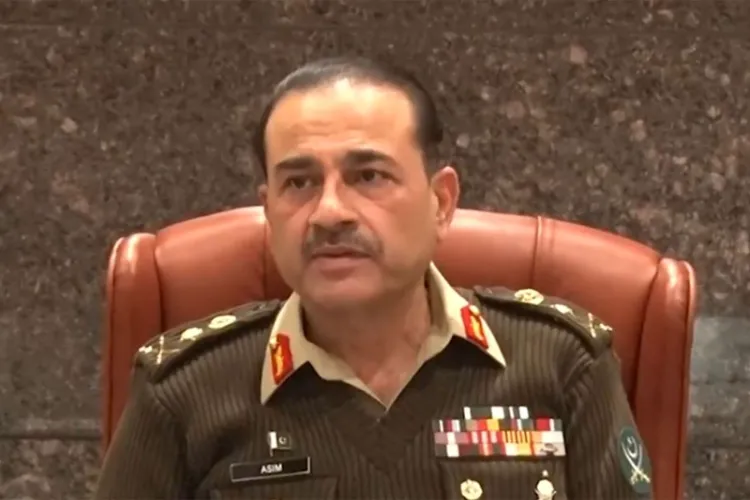
Pakistan Army chief Asim Munir held talks with Iranian Foreign Minister Abbas Araghchi in Tehran as part of efforts aimed at easing tensions in West Asia and advancing regional peace initiatives, according to the Iranian government.
Munir arrived in Tehran on Friday on what the Pakistan Army described as a key visit connected to ongoing mediation efforts between the United States and Iran.
He was welcomed by Iranian Interior Minister Eskandar Momeni.
Pakistan Interior Minister Mohsin Naqvi, considered close to Munir, was already in Tehran and had been holding discussions with senior Iranian officials before the army chief’s arrival, the military said.
In a statement shared on social media, the Iranian government said Munir and Araghchi discussed diplomatic initiatives aimed at preventing further escalation and ensuring peace, stability and security across West Asia.
Iran’s state news agency IRNA reported that the discussions between the two leaders continued late into the night.
This marks Munir’s second visit to Iran in a little over a month.
Pakistan has increasingly positioned itself as a mediator amid the continuing regional conflict, which has contributed to global economic disruption and energy supply concerns.
Analysts believe Islamabad maintains working ties with both Tehran and Washington, enabling it to facilitate dialogue between the two sides.
Last month, Pakistan hosted senior representatives from the US and Iran for talks described as the first direct engagement of its kind since 1979, though no final agreement was reached.
The major unresolved issues reportedly include Iran’s nuclear programme and the strategic Strait of Hormuz, through which nearly one-fifth of global energy supplies typically pass.
Shipping movement through the strait has remained disrupted since February 28, when joint military strikes by the US and Israel on Iran triggered retaliatory attacks.
READ MORE: Bakrid 2026: Farmer wishes to sell Rs 15-lakh ‘Crescent Goat’ to Salman Khan
Although a fragile ceasefire has been in place since April 8, disruptions in maritime trade continue.









.webp "West Bengal Chief Minister Suvendu Adhikari")