New Delhi
A parliamentary panel on Thursday held detailed discussions on India-Sri Lanka relations as well as New Delhi’s evolving role in global technology diplomacy and digital governance, with deliberations described as constructive and forward-looking.
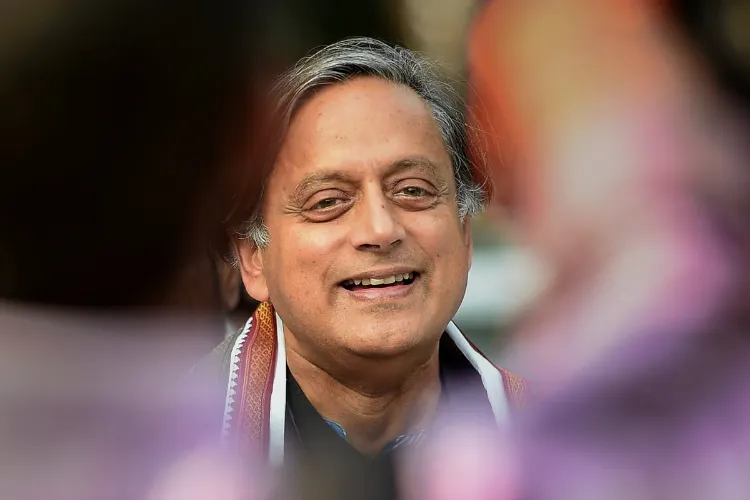
Chairman of the Parliamentary Standing Committee on External Affairs Shashi Tharoor said the back-to-back meetings generated valuable inputs from members, and reports on both subjects will be presented in due course. He noted that the panel’s work on tech diplomacy has been particularly focused and productive.
Speaking to reporters, Tharoor highlighted that the committee examined various dimensions of India’s engagement with Sri Lanka over the past decade, while also looking ahead at future cooperation.
Commenting on the broader geopolitical context, he pointed out that Sri Lanka has been affected by ongoing tensions in West Asia, particularly the conflict involving Iran, which has impacted its energy security and contributed to inflationary pressures. He said India’s support for Sri Lanka would take these challenges into account.
Tharoor added that India is likely to continue extending assistance to Sri Lanka as both countries navigate the wider economic and strategic implications of the situation.
On the West Asia scenario, he described the current situation as an unusual one, marked by uncertainty rather than clear outcomes. According to him, the region is in a state where neither peace nor outright conflict prevails, and many countries not directly involved in the fighting are bearing significant consequences.
READ MORE: RJ Saima's Purani Jeans revived love of golden era music among youth
He stressed that nations in the Global South, including India and its neighbours, have been adversely affected through disruptions in energy supplies, economic strain, and supply chain challenges. In many cases, he observed, those suffering the most are not the parties directly engaged in the conflict.








.webp "Delhi High Court")
_(1).webp "Senior Congress leader Ashok Gehlot")
.webp)