New Delhi
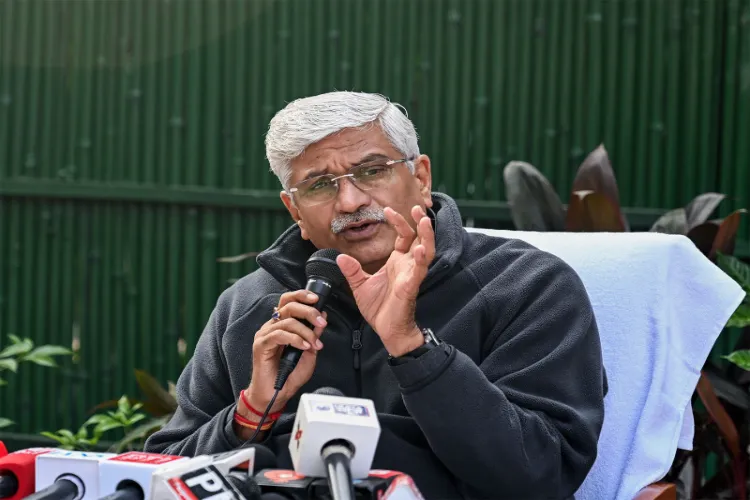
Union Culture and Tourism Minister Gajendra Singh Shekhawat has said that Prime Minister Narendra Modi has become the most recognisable global representative of India, replacing the long-standing international association that many people had with Mahatma Gandhi.
In an interview, Shekhawat noted that for decades India’s image abroad was closely linked to Mahatma Gandhi. However, he believes the country's global identity has undergone a significant transformation in recent years.
According to the minister, Indians travelling overseas in the past often identified themselves as Asians before revealing their nationality. He suggested that India’s international image lacked confidence and visibility during that period.
Shekhawat recalled that when people around the world heard the word “India,” they would immediately think of Gandhi. Today, he argued, the reaction is markedly different, with many associating the country directly with Prime Minister Modi.
Responding to a question on whether India’s strongest international appeal comes from its culture, tourism sector, or Bollywood, the minister said the Prime Minister currently serves as the country’s most influential ambassador on the global stage.
He clarified that his observation was not political but based on how nations are often identified through iconic personalities. Just as Gandhi symbolised India for generations, Modi has come to represent the country in contemporary times, he said.
At the same time, Shekhawat stressed that India’s culture remains its enduring identity. The nation’s traditions, heritage, festivals, cuisine and historical legacy continue to define India in the eyes of the world, regardless of changing political leadership.
The minister argued that the reputation of a country’s leader can significantly influence international perceptions. A positive image at the leadership level, he said, can enhance a nation’s attractiveness and contribute to growth in tourism and global engagement.
Expressing optimism about the future of the tourism sector, Shekhawat said India has the potential to witness a dramatic increase in foreign tourist arrivals by 2047. He attributed this possibility to the country’s economic progress, expanding infrastructure and improved international standing.
He also suggested that tourism deserves greater strategic importance due to its potential contribution to economic growth. While acknowledging that the sector has not traditionally enjoyed the same status as industries such as information technology, he said the government has been actively promoting tourism through various initiatives.
As part of these efforts, Indian diplomatic missions abroad have been encouraged to help boost tourist inflows, with their performance partly assessed on their contribution to attracting visitors to India.
READ MORE: Hazrat Hajar's sacrifice is part of Eid al-Adha's fable
Drawing comparisons with countries that have successfully built global identities around cultural exports and hospitality, Shekhawat said India’s tourism brand continues to be “Incredible India.” He added that the government's vision is to elevate that identity further and position the country as an “Inevitable India” for global travellers.










.webp "Himachal Pradesh Chief Minister Sukhvinder Singh Sukhu")

.webp "Chief of Army Staff General Upendra Dwivedi")