Srinagar
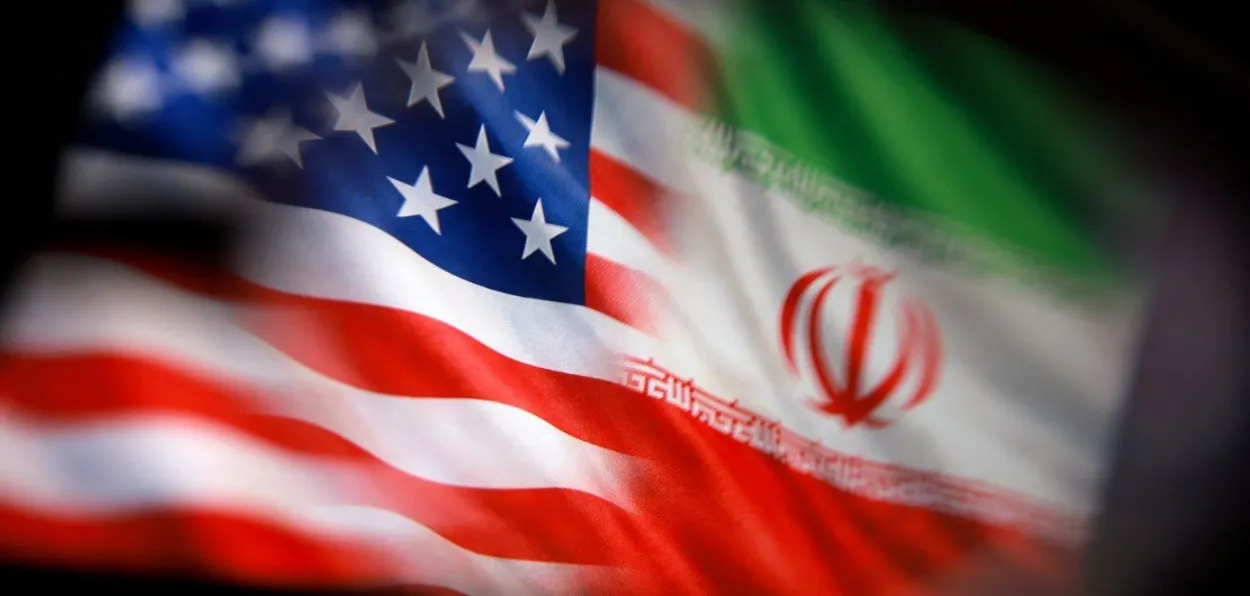
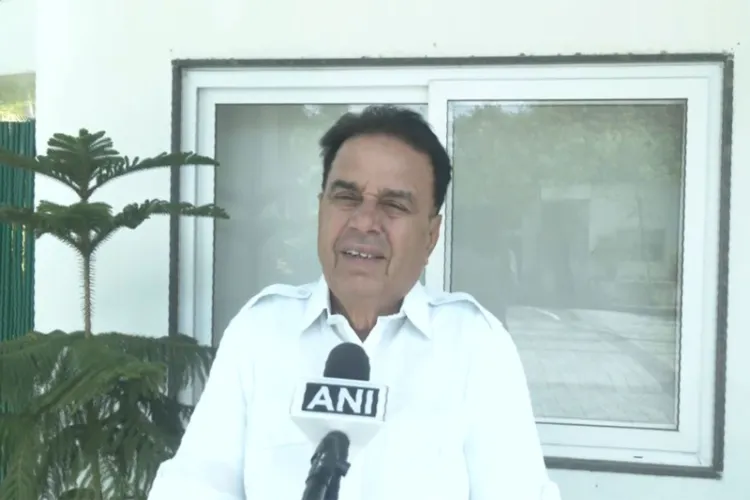
Congress MP Pramod Tiwari on Wednesday welcomed the ceasefire in the ongoing conflict involving the United States, Iran and Israel, expressing hope that the temporary truce would evolve into a lasting peace.
Speaking to ANI, Tiwari said the conflict, though geographically limited, had far-reaching global consequences, particularly for countries dependent on energy supplies passing through the Strait of Hormuz.
“A ceasefire has been reached… Bombs were falling in Iran or Israel, but their impact was felt across the world due to dependence on fuel and energy through the Strait of Hormuz,” he said, adding that he hoped the 15-day ceasefire would become permanent.
The ceasefire comes after former US President Donald Trump announced a temporary halt to military operations, accepting a proposal from Iran that includes a pause in hostilities and safe passage through the key maritime route.
However, Tiwari expressed concern over reports that follow-up talks are scheduled to be held in Islamabad, calling it “painful” from an Indian perspective and criticising what he described as shortcomings in India’s foreign policy.
He also flagged the growing diplomatic role of Pakistan and China in the crisis, suggesting that India had not played a sufficiently visible role in the developments.
Echoing similar concerns, Congress leader Jairam Ramesh termed Pakistan’s involvement in facilitating the ceasefire a “setback” to India’s diplomatic efforts, and criticised the Centre’s response to the broader West Asia conflict.
Pakistan Prime Minister Shehbaz Sharif welcomed the ceasefire and invited delegations from the involved countries to Islamabad for further negotiations aimed at reaching a permanent agreement.
READ MORE: Two-time world kickboxing champion Tajamul Islam is an ode to human spirit
The developments mark a tentative de-escalation in a conflict that has had significant implications for global energy markets and regional stability, even as diplomatic efforts continue to secure a lasting resolution.


.webp "S. Irfan Habib with Saquib Salim in Deen Aur Duniya")






.webp "Shiv Sena (UBT) MP Sanjay Raut")