New Delhi
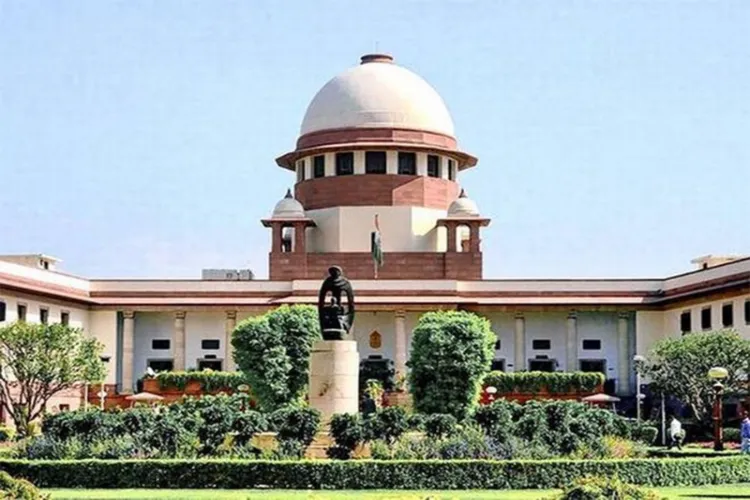
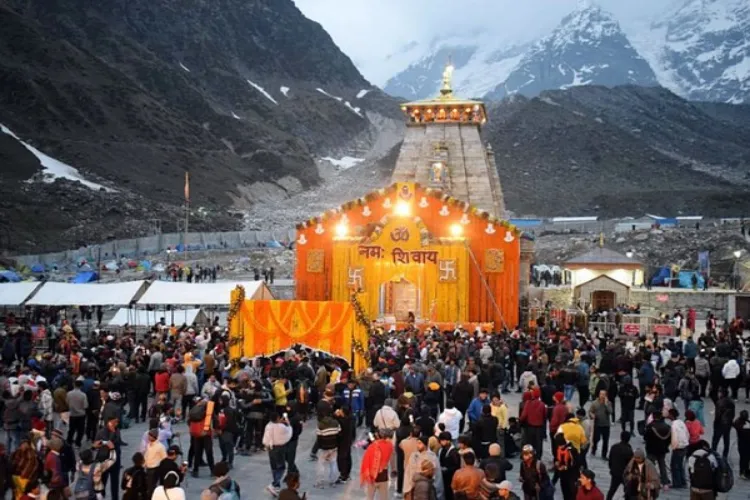
The Supreme Court of India on Monday declined to entertain a public interest litigation seeking a review of wages, service conditions, and other benefits for priests, ‘sevadars’, and temple employees working in state-administered temples across the country.
A bench comprising Justice Vikram Nath and Justice Sandeep Mehta observed that such a petition could not be examined under Article 32 of the Constitution and said individuals directly affected by the issue were free to pursue remedies available under law.
During the hearing, the bench also advised petitioner advocate Ashwini Upadhyay against involving himself in the personal affairs of priests, remarking that he may not be fully aware of the income and earnings of temple priests and ‘sevadars’.
Upadhyay, however, referred to earlier judgments of the Allahabad High Court and other courts, which, according to him, had emphasised the need to review the remuneration of priests serving in state-controlled temples so they could maintain a dignified standard of living.
The apex court eventually allowed the petitioner to withdraw the plea while granting him liberty to pursue alternative legal remedies. The petition had been filed through advocate Ashwani Dubey.
The plea had sought directions to the Centre and state governments to set up either a judicial commission or an expert committee to examine salaries, allowances, and other benefits for priests, temple workers, and ‘sevadars’ employed in temples under government administration.
It also sought a declaration that priests and temple staff fall within the definition of employees under the Code on Wages, 2019, arguing that once the state assumes administrative and financial control of temples, an employer-employee relationship is established. The plea contended that denial of fair wages violates the right to livelihood under Article 21 of the Constitution.
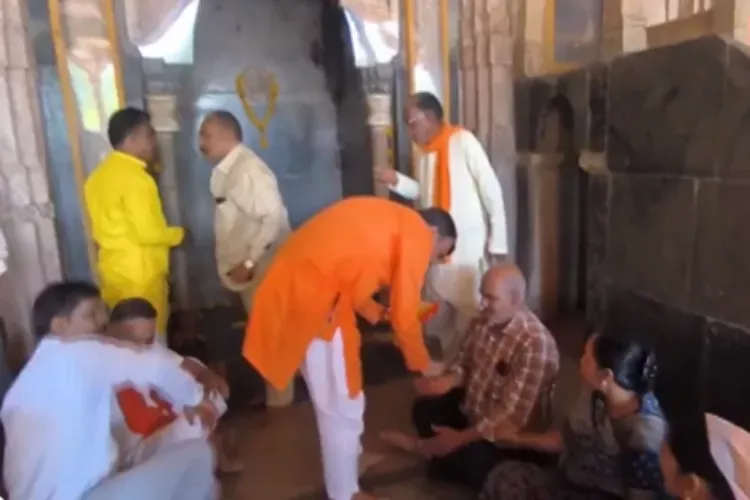
Upadhyay told the court that his concern arose after visiting the Kashi Vishwanath Temple in April, where he claimed to have learned that priests and temple staff were not receiving even minimum wages required for a dignified livelihood.
READ MORE: Shahida Murtaza's academic research forms backbone of governments' policies
The petition also referred to protests by temple priests in Andhra Pradesh and Telangana over wage-related concerns and cited a 2025 circular issued at the Arulmigu Dhandayuthapani Swamy Temple, which reportedly barred priests from accepting ‘dakshina’ in aarti plates. According to the plea, such developments reflected growing economic hardship and alleged systemic exploitation of temple workers.








.webp "Suvendu Adhikari")

.webp)
.webp)