New Delhi
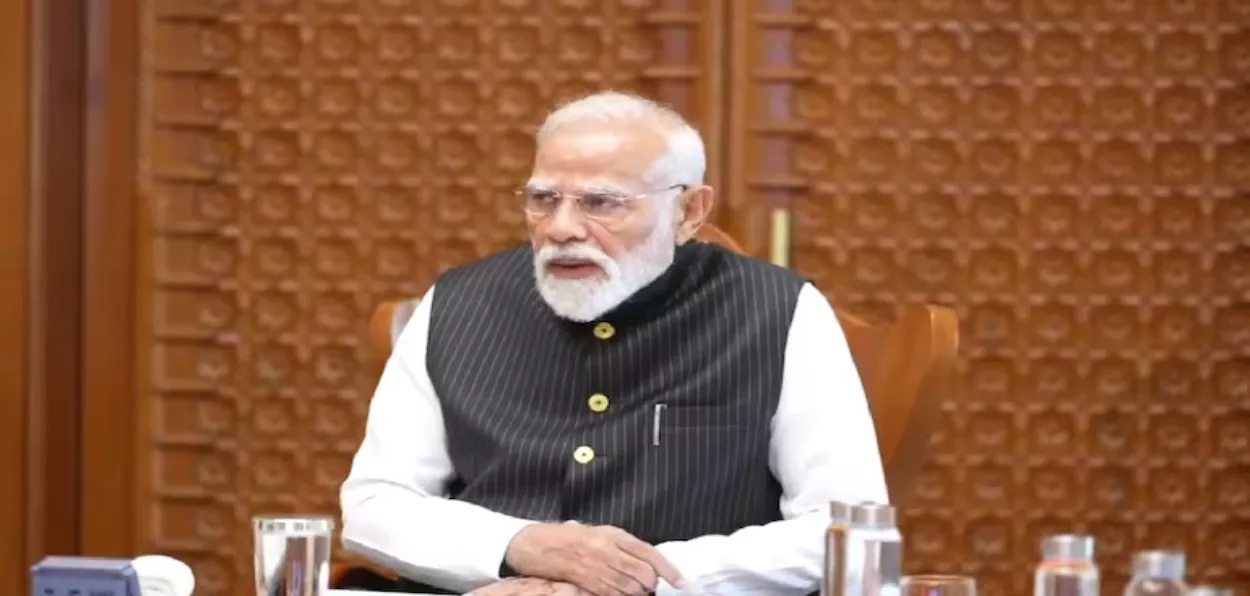
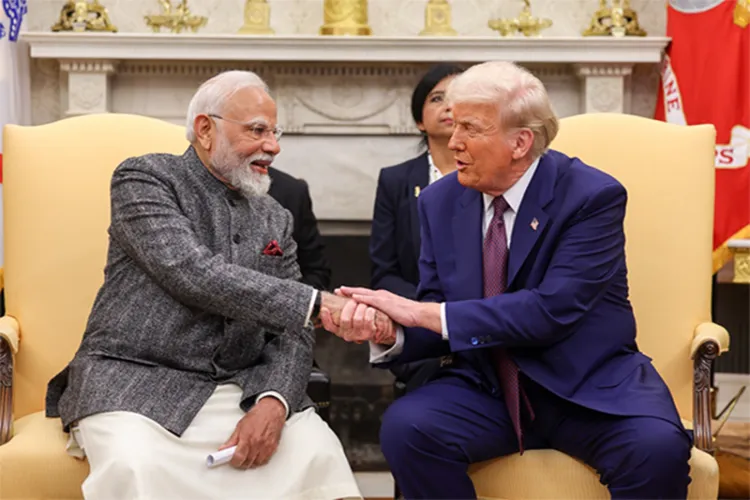
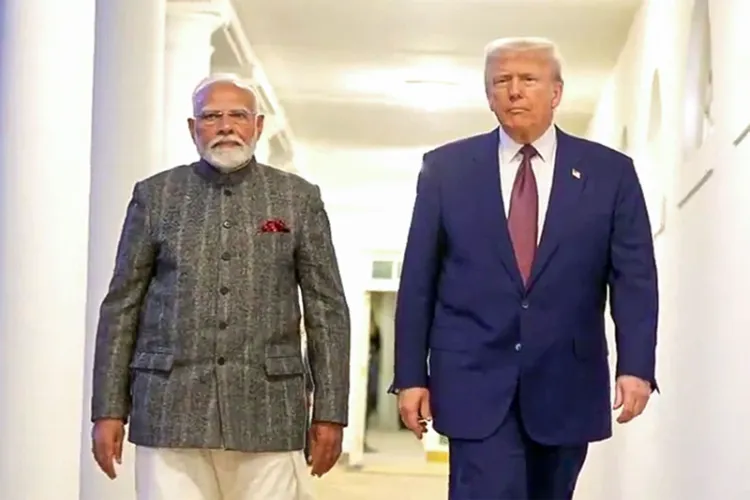
US President Donald Trump and Prime Minister Narendra Modi on Tuesday held a telephonic conversation focusing on the escalating West Asia conflict and the strategic importance of keeping the Strait of Hormuz open.
US Ambassador to India Sergio Gor confirmed that the leaders discussed the ongoing crisis, particularly the need to ensure uninterrupted maritime traffic through the vital energy corridor.
Trump signals possible reopening of strait
Amid the fourth week of the conflict, Trump expressed optimism that the Strait of Hormuz—through which nearly 25 per cent of global seaborne oil trade passes—could be “open very soon” if ongoing negotiations with Tehran succeed.
In a notable remark, Trump suggested the possibility of joint management of the strait by the US and Iran, saying it could be controlled “jointly” with Iran’s leadership, including Mojtaba Khamenei, who is seen as a key figure in the country’s power structure.
He also revealed that Washington is engaged in talks with a “top person” within the Iranian establishment to bring the conflict to an end, though he clarified that these discussions do not directly involve Khamenei.
India pushes diplomacy and safety
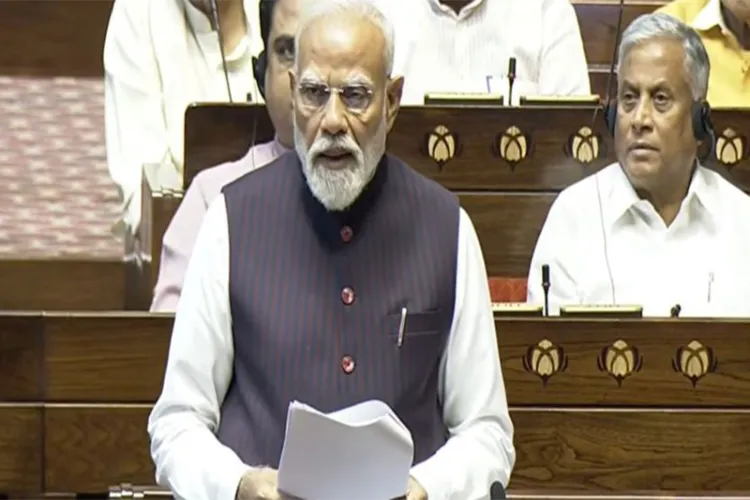
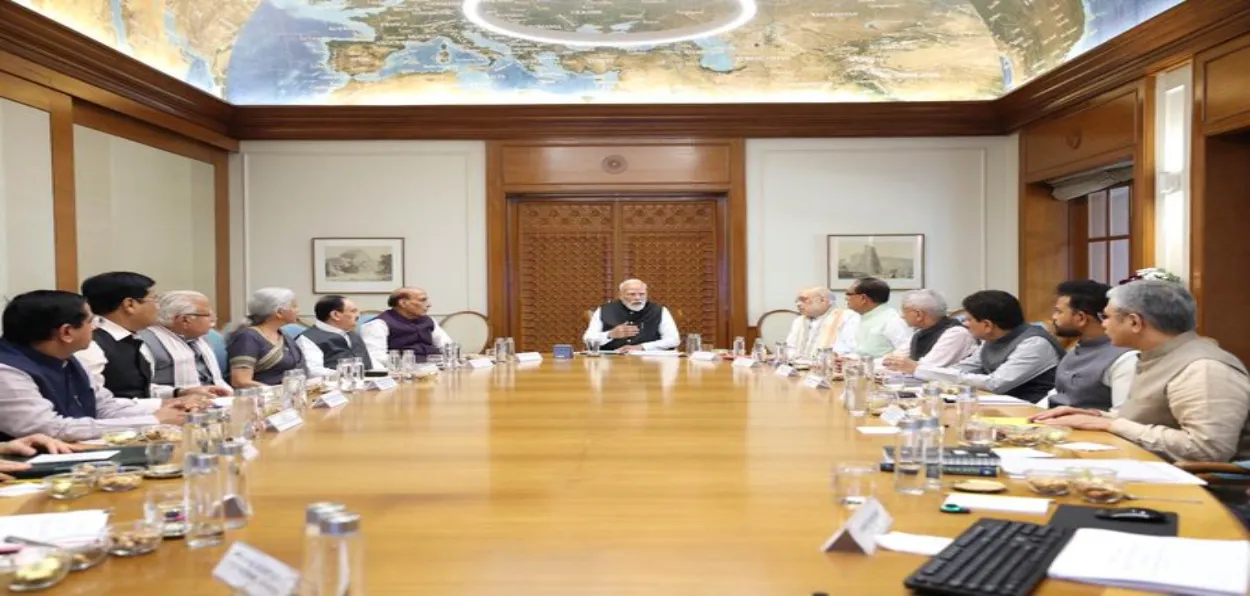
Speaking in Parliament, Modi reiterated India’s consistent position favouring dialogue and de-escalation, noting that he has been in touch with leaders across Iran, Israel, Gulf nations, and the United States.
“India has opted for a solution through dialogue… ensuring safe movement of our ships even in a war situation,” he said.
He also highlighted the importance of protecting the nearly one crore Indians living and working in Gulf countries, as well as Indian seafarers stranded on vessels in the region.
No permission needed for transit
Amid concerns over restricted navigation, officials clarified that the Strait of Hormuz remains an international waterway, where freedom of navigation is guaranteed.
Rajesh Sinha, Special Secretary in the Ministry of Shipping, stated that no permission is required to cross the strait, though safety assessments are essential given the current conflict conditions.
Signs of possible de-escalation
With the US indicating ongoing negotiations and a potential reopening of the strait, there are early signs of a possible diplomatic breakthrough. However, tensions remain high, and the situation continues to pose risks to global energy supplies and maritime trade.
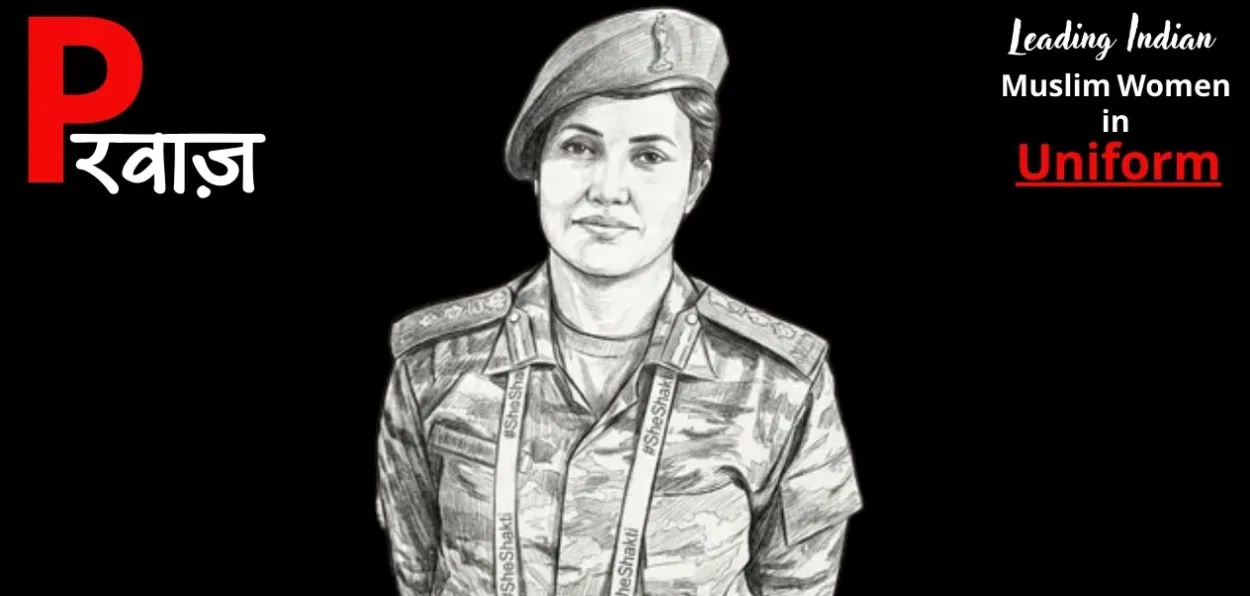
READ MORE: Col Sofiya Qureshi redefined the role of women in Military
India’s approach remains focused on balancing diplomacy, energy security, and the safety of its citizens, while urging a unified global call for peace.