

Manoj Kumar Ojha/Doomdooma
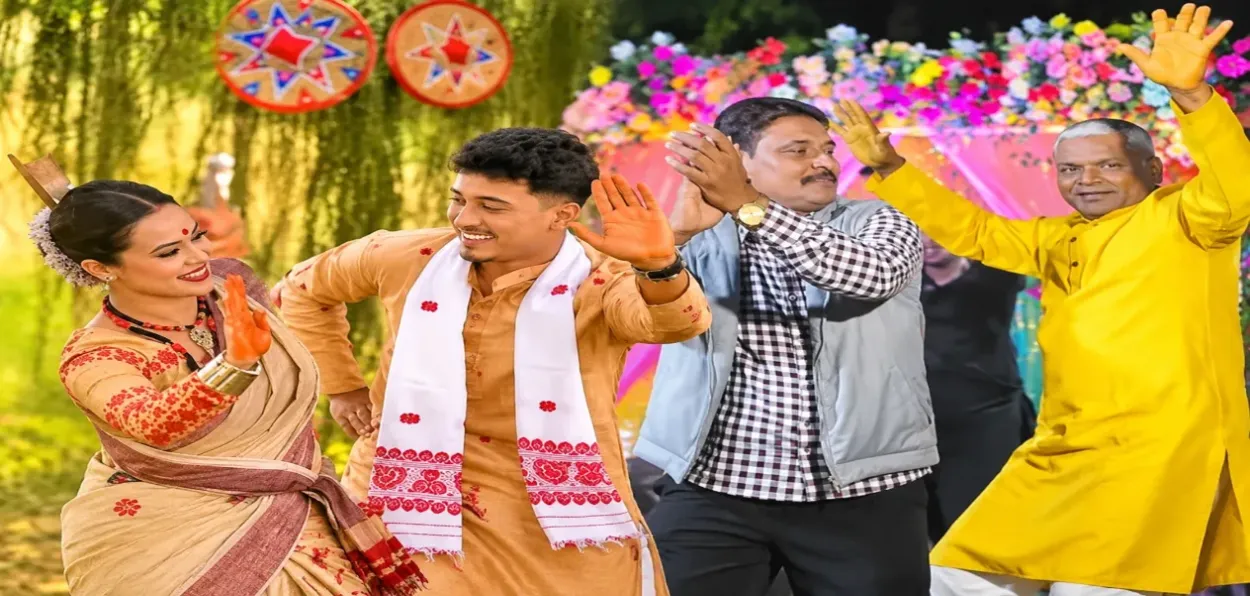
What happens when a Bihu song (folksong) becomes the soundtrack for a wedding celebration in Bihar? A viral video from Muzaffarpur offers a heart-warming answer.
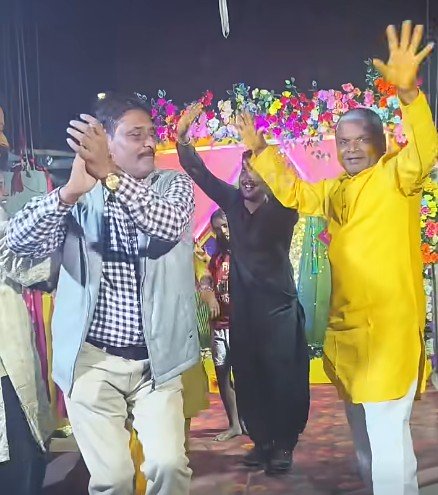
The familiar rhythms of Assamese Bihu music recently brought together people of different generations at a 'baraat' in Muzaffarpur, where men and women were dancing enthusiastically to the popular number from the Assamese film Bowari.
Before sharing the video, Vijay Sharma introduces it with an enthusiastic message: "Who says Bihu songs are not played in Bihar? We will show you from Muzaffarpur, Bihar, how people dance to Bihu beats during weddings and celebrations."
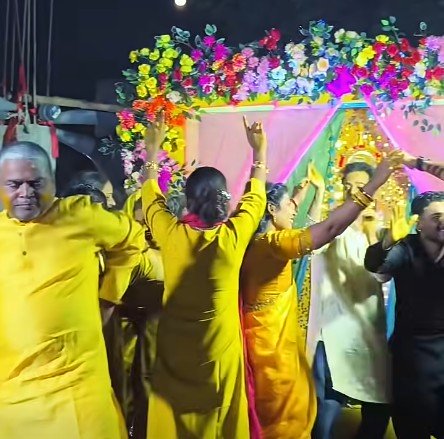
The video soon attracted 1.34 lakh views, drawing appreciation from viewers who celebrated the expression of cultural unity.
"We are Indian brothers. We all respect each other's culture. This is our loving country, Hindustan," commented Sunny Ghosh.
But the cultural connect goes well beyond music. Traditional Assamese attire, including the Phulam Gamosa (traditional Assamese floral scarf) and mekhela chadar, along with familiar Assamese delicacies such as tamul-pan (betel nut), komal saul (a special rice preparation), coconut ladoos and kamala tenga (orange), have also found acceptance in celebrations and social gatherings.
"At any auspicious occasion, we greet each other with a Phulam Gamosa. You will find it around the necks of people from all walks of life, from a leader sitting in the Vidhan Sabha in Patna to a common farmer working in the paddy fields," Shiva Shankar Pandey, a resident, told Awaz-he Voice over the phone.
Although Bajjika, a language closely related to Bhojpuri, is widely spoken in the Muzaffarpur region, the cultural landscape of Bihar is remarkably receptive to influences from other parts of the country. At wedding celebrations, one can also hear the soulful voice of legendary Pakistani qawwal Nusrat Fateh Ali Khan singing the much-loved wedding number, 'Dulhe Ka Sehra'.
The presence of Bihu music alongside Nusrat Fateh Ali Khan's qawwali reflects how music travels beyond linguistic, geographical and national boundaries, becoming a shared language of celebration.
"That's lovely. The act of mutual respect is appreciated. Thanks to the family; they are enjoying in the real sense," wrote Mondip Chutia in response to the video.
reel to be inserted:
From the 1970s onwards, people from Bihar and Uttar Pradesh migrated to Assam in large numbers in search of livelihood, with many settling in the tea gardens and industrial belt of eastern Assam. As communities built their lives together, cultural exchanges became part of everyday social life. Along with their own traditions, those people embraced elements of Assamese culture, while Assamese customs and cuisine also found admirers beyond the state through them.
The curiosity surrounding tamul-pan is another illustration of this enduring cultural connection.
"Have you brought tamul-pan?" is often among the first questions asked when someone arrives in Bihar or Uttar Pradesh from Assam, reflecting the familiarity that has developed around this traditional Assamese offering.
The musical bond extends beyond Bihar. Assamese songs have found listeners across India and even in neighbouring Nepal.
"Dr Bhupen Hazarika is my favourite singer. Zubeen Garg too. I always listen to both of them," said Siyaram Mishra, a retired bank manager from Patna.
Not only does Assamese music have listeners in Bihar, but Bhojpuri songs are also often played and enjoyed in various Assamese occasions in Assam. The younger generation is often seen grooving to Bhojpuri music in various religious and social extravaganzas in Assam.
For Anima Saikia, the significance of these exchanges lies in the simple human values they represent.
ALSO READ: After prayers, the mosque premises must be used for society
"We cannot confine culture within boundaries. People must live their lives with love, happiness and harmony. It is pleasing to see this," she said.