

Mrudgandha Dixit
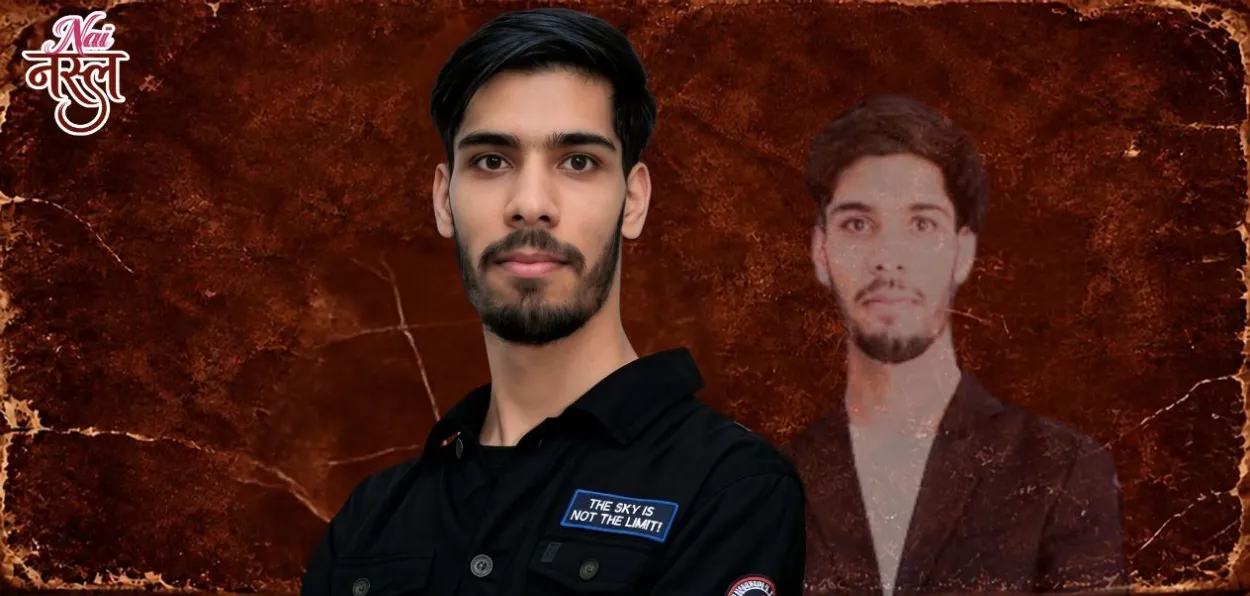
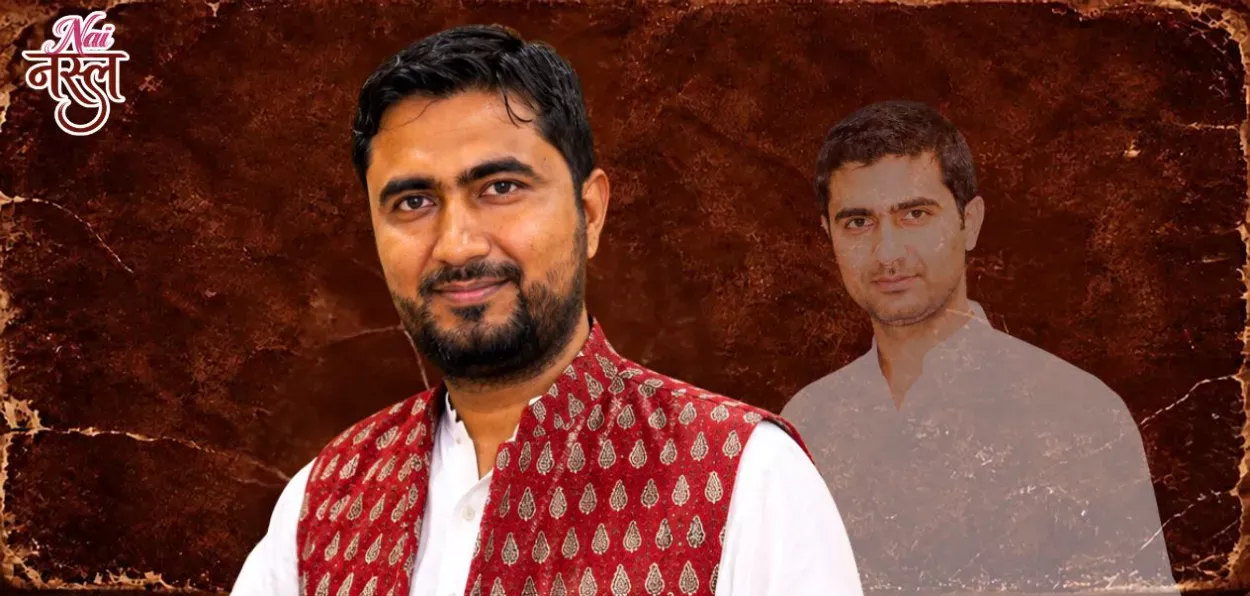
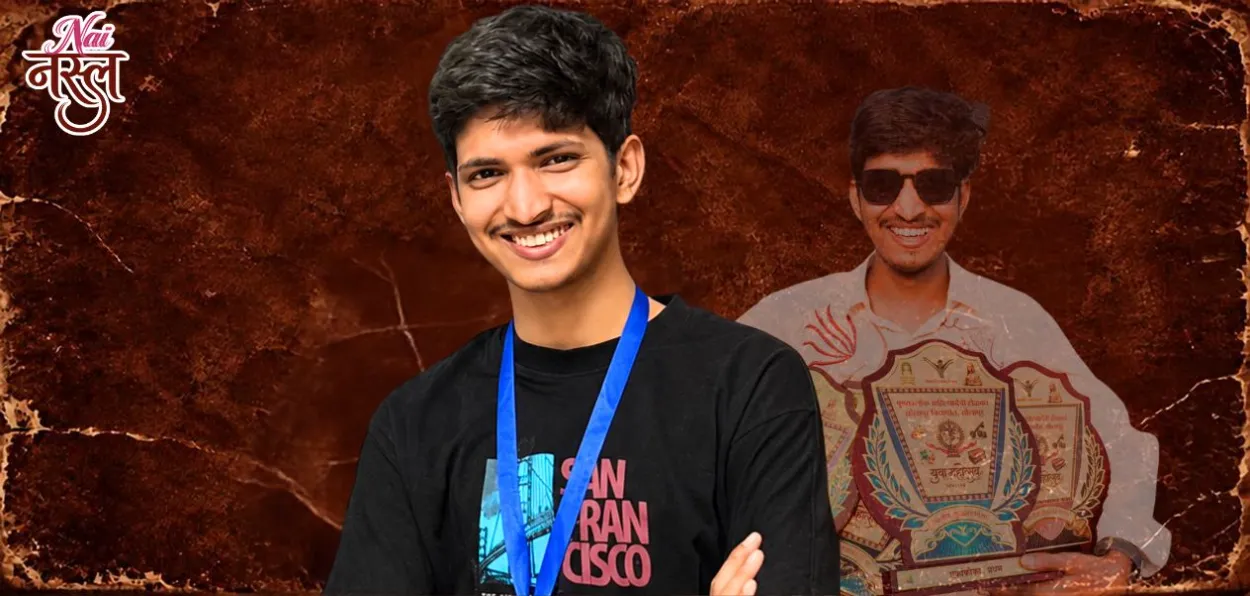
Zaid Hasan of Solapur, Maharashtra, who, in his early twenties, won a national-level gold medal in acting and lent his voice to over 1500 projects, including the grand conceptual shows like 'Sahir' and 'Rashmirathi', is ready to move into sound engineering.
Zaid was born with fragile health, due to which he fell sick and was admitted to the hospital frequently. He would lie on the bed with a heavy heart, and his mother told him stories to feed him and keep him cheerful. These stories sowed the seeds of imagination in him.
Until the seventh or eighth grade, Zaid was an introvert. He had little interest in studies. However, during school events like Ganpati festivals, he would mimic the voices of people and animals. This got him a few friends.
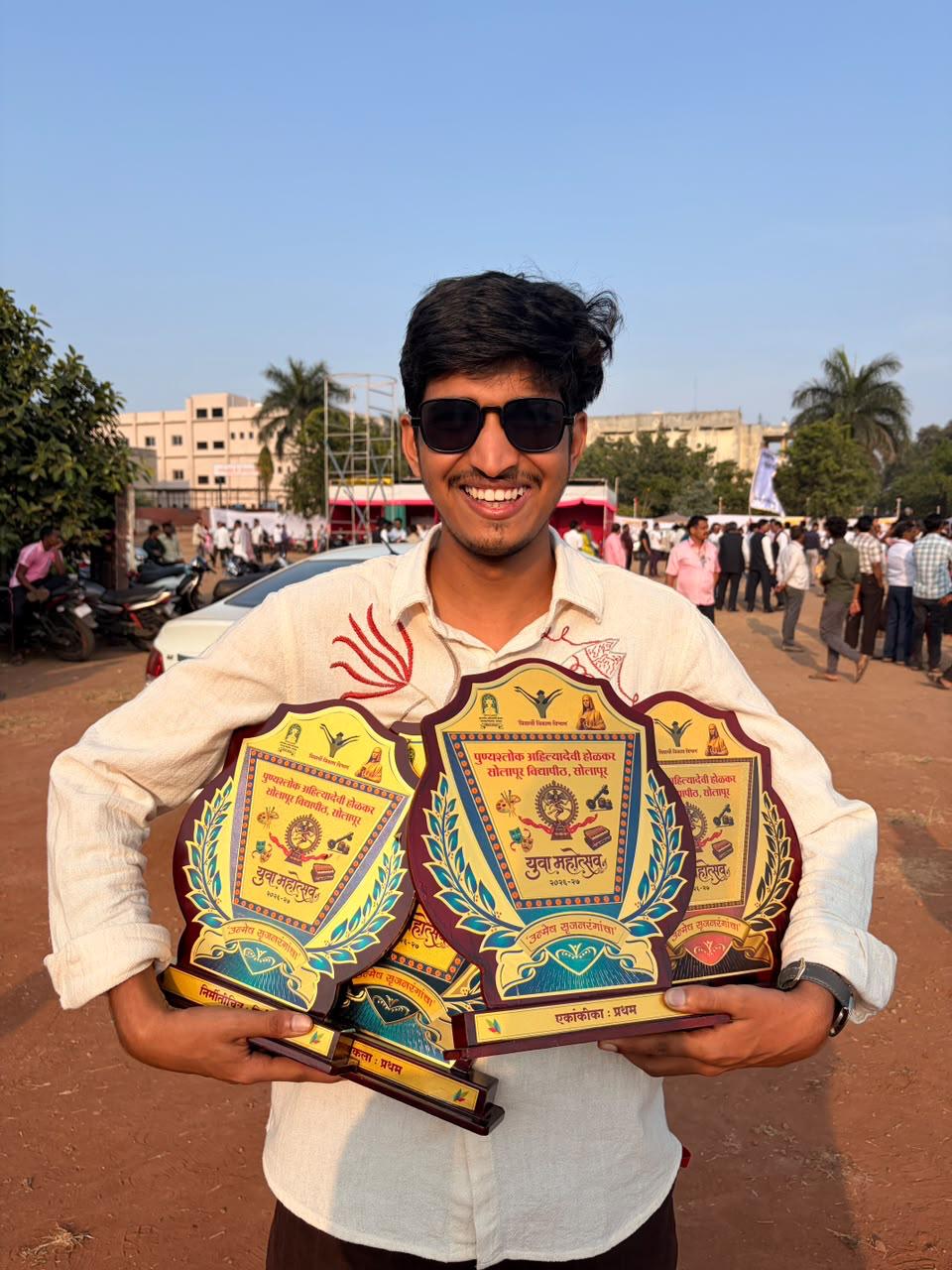 Zaid Hasan
A turning point in his life came when he was in his eighth grade. He landed the central role of a boy named 'Chand' in the movie Tujhya Aaila, directed by Sujay Dahake. This shy boy from Solapur had to live alone in Pune for five months for the shooting. His father couldn't leave his business, and his mother had the responsibility of his two sisters to be with him.
Those five months were difficult for him, but the experience helped him blossom into a grown-up and expressive person.
However, because of the shooting, his studies took a hit. He barely managed to get 56% in his 10th boards. His family was worried. A teacher named Ganesh Mudegaonkar supported him. He got Zaid admitted into the Commerce stream, but with one condition: "You must make the college proud!"
In the very first week of his admission, he participated in the Maharashtra Government's 'P.L. Deshpande Stand-up Comedy Competition'. He stood first in the district and won his first major cash prize of Rs 20,000. From here on, the flow of awards never stopped.
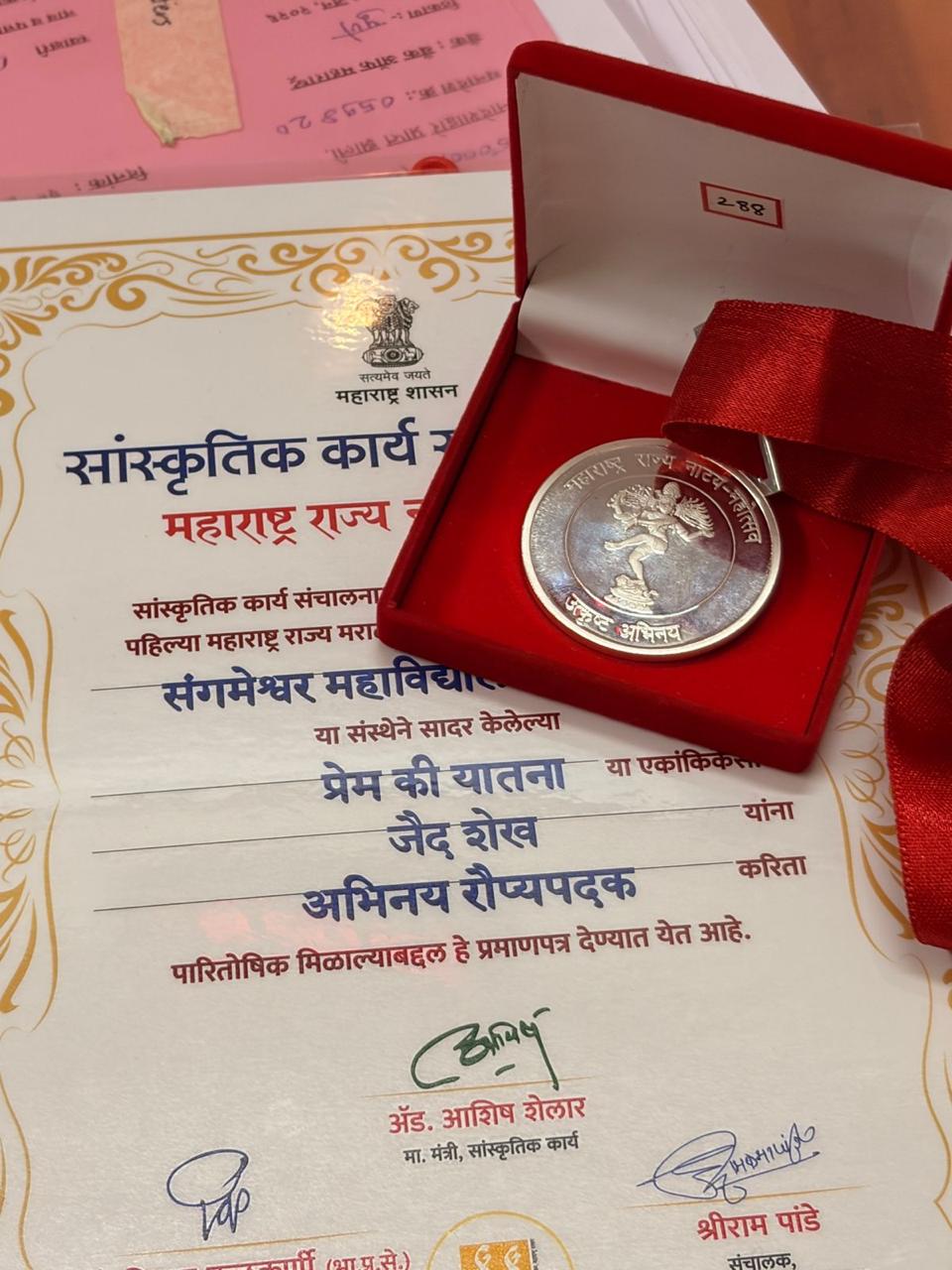 Zaid Hasan's certificate on his achoevement
Zaid bagged a national-level gold medal in one-act plays and mimicry at the 'AIU National Youth Festival'. In the history of Solapur University, he is the first student to bring home a national gold in a one-act play. The university honoured him with the title of 'Golden Boy'.
Zaid's father used to act in plays at one point in time. He had started Solapur's first computerized studio. Big artists used to visit there, and by listening to their recordings and observing them, Zaid learned a lot. Later, he learned how to give background music for plays from Sahir Nadaf Sir.
When he was in the 10th grade, he had to provide music single-handedly for a play called 'Bhumika' for the first time, and Zaid was scared. The mantra his teacher gave him back then is something he hasn't forgotten to this day. His teacher had said, "You won't know if you can swim until you jump into the ocean. Jump!" And Zaid truly jumped into this ocean. To date, he has provided music for more than 200 theatrical performances.
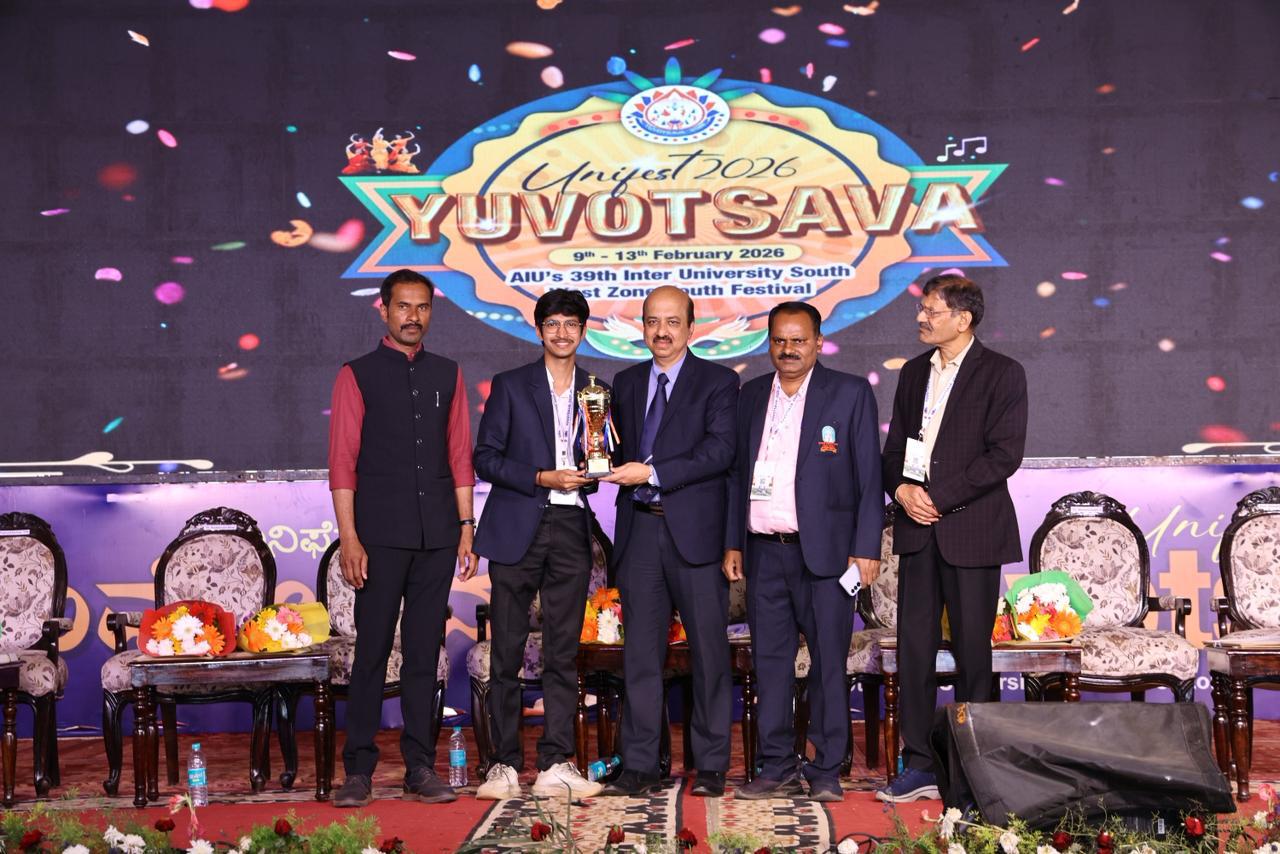 Zaid Hasan receiving an award
He doesn't follow others while mimicking legends like Dada Kondke or Nilu Phule. He described his distinct style through an Urdu couplet: "Jahan jaate hain sab wahan jaana achha nahi lagta, mujhe paamal raston ka safar achha nahi lagta" (I don't like going where everyone goes; I don't like travelling on beaten paths).
He mimics animals, birds, weather, sound effects, and different musical instruments. Thanks to this magic of his voice, he has completed over 1500 voice-over projects and dubbed for two movies so far.
During the lockdown, Zaid decided to learn the Urdu language from poet Meer Afzal Meer. He also introduced him to the poetry of Sahir Ludhianvi, a great Bollywood lyricist. After studying this, Zaid curated a brilliant three-hour show named Sahirana Shayari.
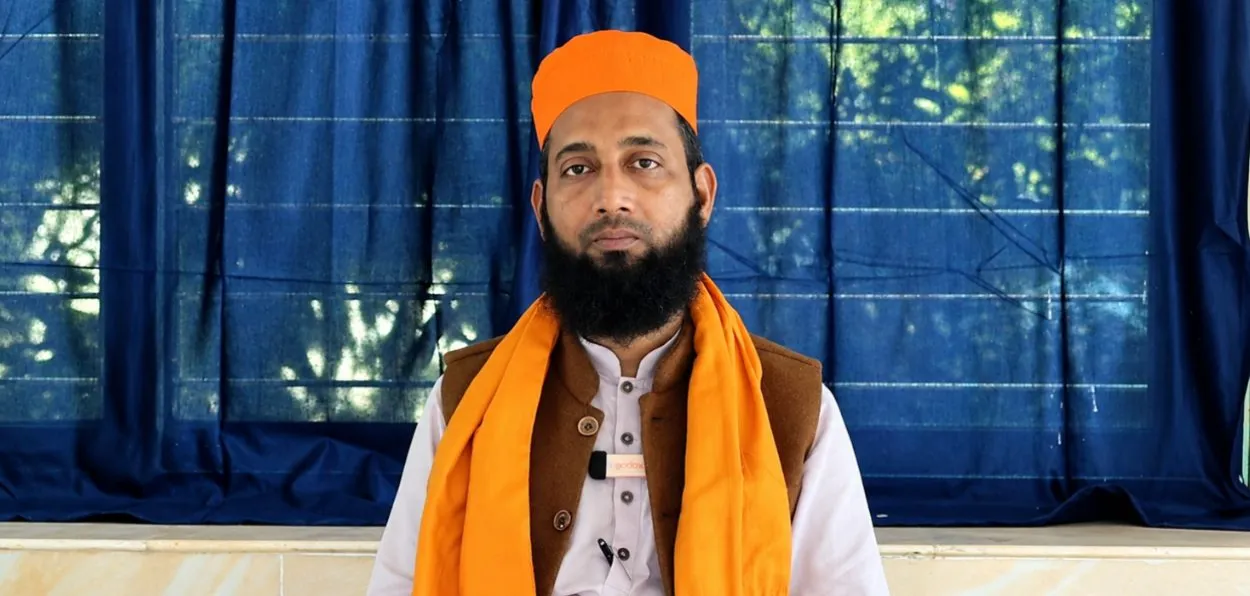
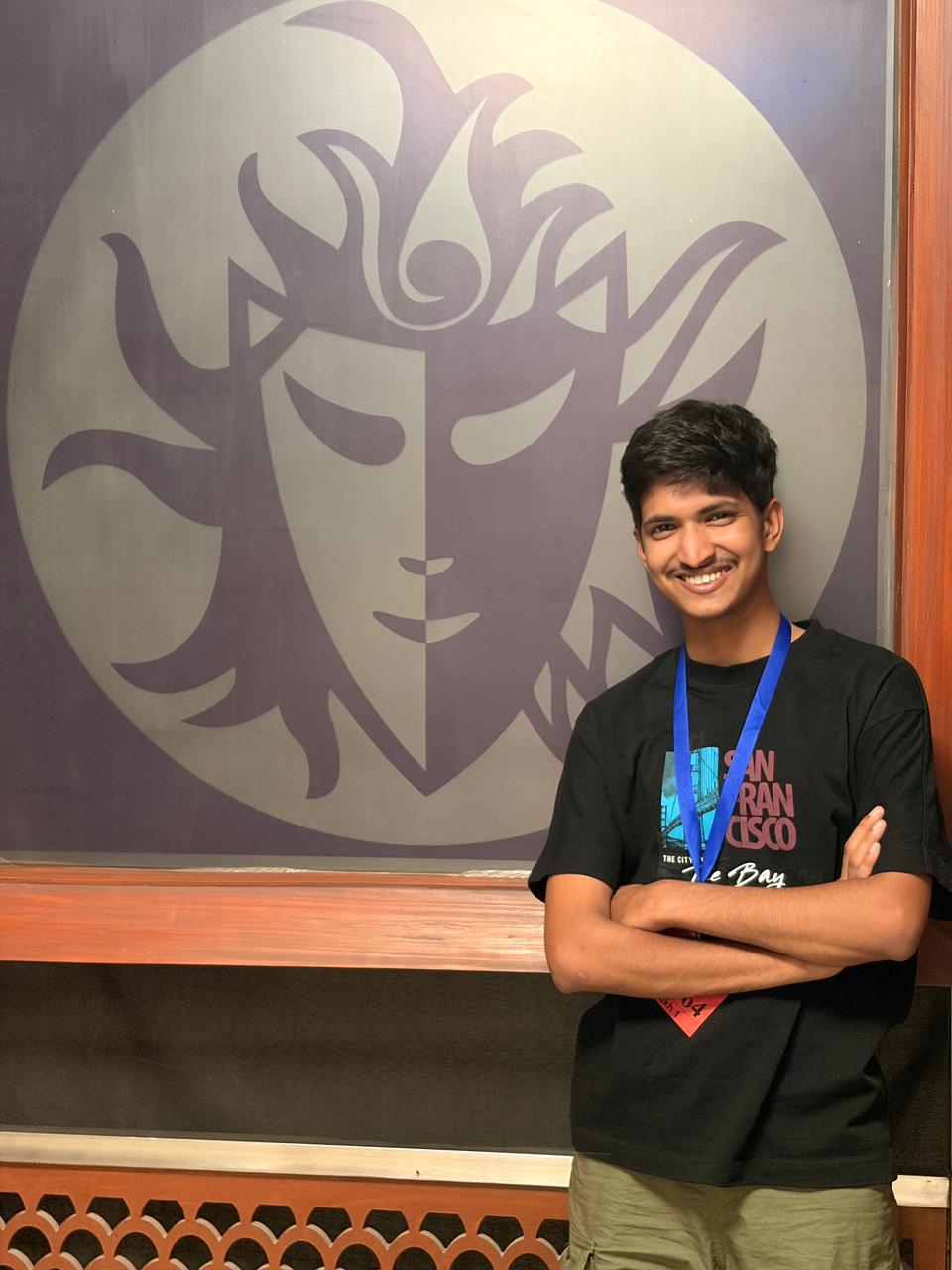 Zaid Hasan
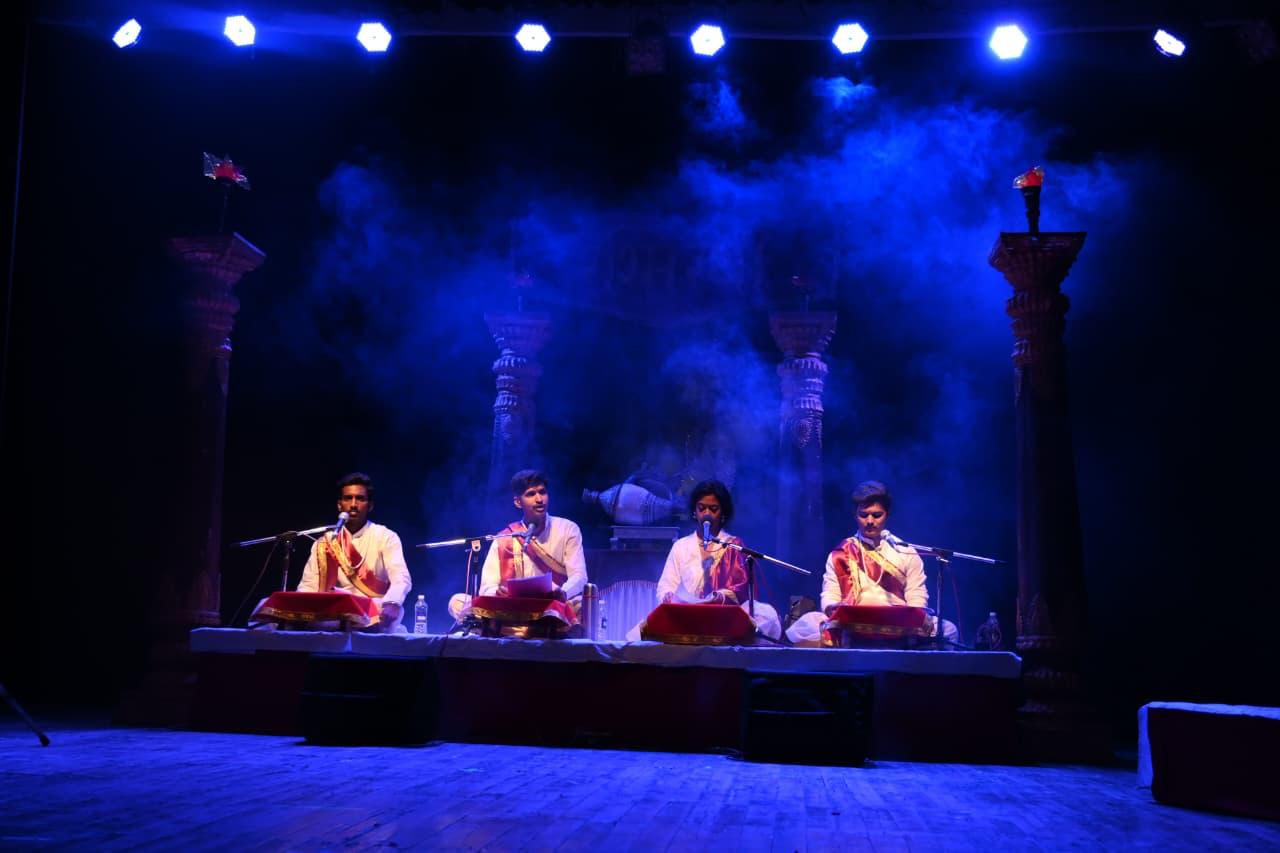
He curated a two-hour live show based on Ramdhari Singh Dinkar's epic 'Rashmirathi'. It features a beautiful amalgamation of live Kathak, Pakhawaj, Violin, and dramatic presentations.
Zaid is a poet too. His Hindi poem Lahoo Ki Pukar'and Marathi poem 'Ba Paausa' have won first prizes in state-level poetry competitions. He also presented his poem as a young poet at the 100th Akhil Bharatiya Marathi Sahitya Sammelan. He missed admission to the 'National School of Drama' (NSD), but has no regrets.
Despite coming from an orthodox Muslim background, his father never imposed any restrictions on the children. He enrolled Zaid and his sisters in a modern school and let them pursue the careers of their choice.
"My father is my friend," Zaid proudly says.
 Zaid Hasan
He has a memory of the 2002 Solapur riots from his father. At that time, when the rioters marched towards their studio, the Hindu community living nearby formed a human chain around the studio and saved it. Having grown up in such an environment, Zaid does not believe in the walls of religion. He is deeply influenced by the philosophies of Sufism, Kabir, Meera, and Khusro.
Preserving humanity beyond religion, Zaid says, "Hum ghazal wale, mohabbat hai hamara mazhab, humse ye dharm ke naam pe khoon kharaba nahi dekha jaata" (We are the people of Ghazals, love is our religion; we cannot bear this bloodshed in the name of religion).
He speaks very clearly about his beliefs, saying, "An artist has no religious boundaries." Even while speaking about the Quran, he says, "The first Ayat of the Quran is 'Iqra'. Iqra means 'Read'. Its true meaning is to acquire knowledge from all over the world. Remove the blindfold from your eyes."
Zaid has closely witnessed the politics that run more on nepotism and connections than on auditions, and the uncertainty that comes with it. That is why he is going to pursue a one-year professional course in Sound Engineering from Mumbai.
 Zaid Hasan
He says, "There is a massive wildfire in the acting field right now. I feel that amidst this wildfire, if I have a strong technical side, it will act like the glass around my lamp. Meaning, no matter how strong the wind blows, it won't let the lamp blow out."
His goal is to publish his own poetry collection by the age of 25 and direct his own film by the age of 28-29. He has directed a Maharashtra Government program called 'Vithu Maulichya Daari' (leading 110 artists) and has also worked as an assistant director on a film like 'Shyamchi Aai'.
READ MORE: Usman Sharief uses faith to break barriers and build bridges
Zaid conducts 'Theatre and Expressive Arts' workshops in Solapur. Speaking about the suffocation of the youth, he says, "Today's generation has stopped expressing themselves. Due to cut-throat competition, everyone is becoming a xerox copy of each other. But our art gives us the opportunity to become a colourful paper, so expressing oneself is very important."