

Vidushi Gaur / New Delhi
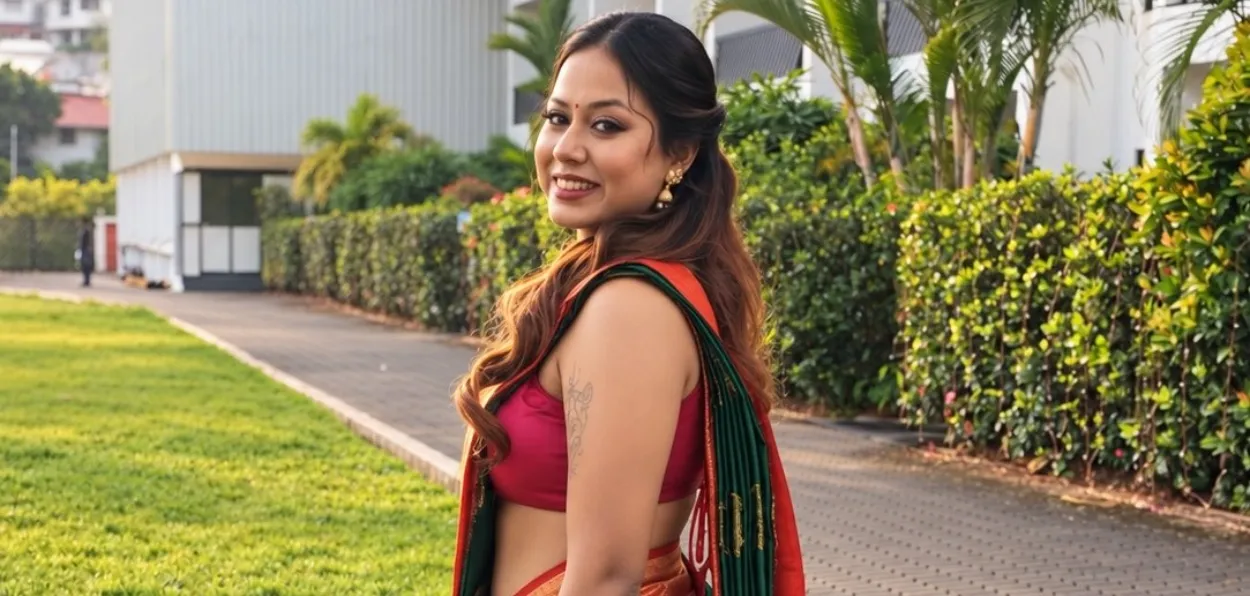
For lawyer and commentator Zeba Zoariah, women's empowerment begins with a simple principles: a woman should not have to seek permission to live her life, practise her faith or pursue her ambitions.
Coming from Assam and now working in Delhi, Zoariah has emerged as a voice questioning religious orthodoxy, gender stereotypes and social restrictions on women. Through her television appearances and YouTube platform, she raises questions about Muslim women's rights, identity and the need to bring the Northeast into mainstream national conversations.
Her journey to Delhi was a cultural adjustment but also the fulfilment of a long-held dream. Delhi gave her opportunities to practise law, appear on television and reach a wider audience. However, it also made her realise how people from the Northeast and minority communities are often expected to represent entire populations.
If I said “I’m Muslim,” would you assume who I vote for? And if I added “I support Modi,” would you stop listening or suddenly become interested? That judgement is part of why I wanted this conversation. Across from me: G. Sudhakaran, five-time MLA, twice a Kerala minister, and a man who spent decades building the Left before leaving CPI(M). I came from Assam with questions about faith, political loyalty and why young Indians choose the Right. I invited him to challenge my choices too. We all want the freedom to think for ourselves. How much of that freedom do we give someone whose conclusions we dislike? Would you hear us both out? Coming soon on The Missing Argument.
— Zeba Zoariah (@ZZoariah) October 30, 2026
She began her YouTube channel to bring a different perspective to national discussions, starting with an episode on why India's future would be shaped by the North.
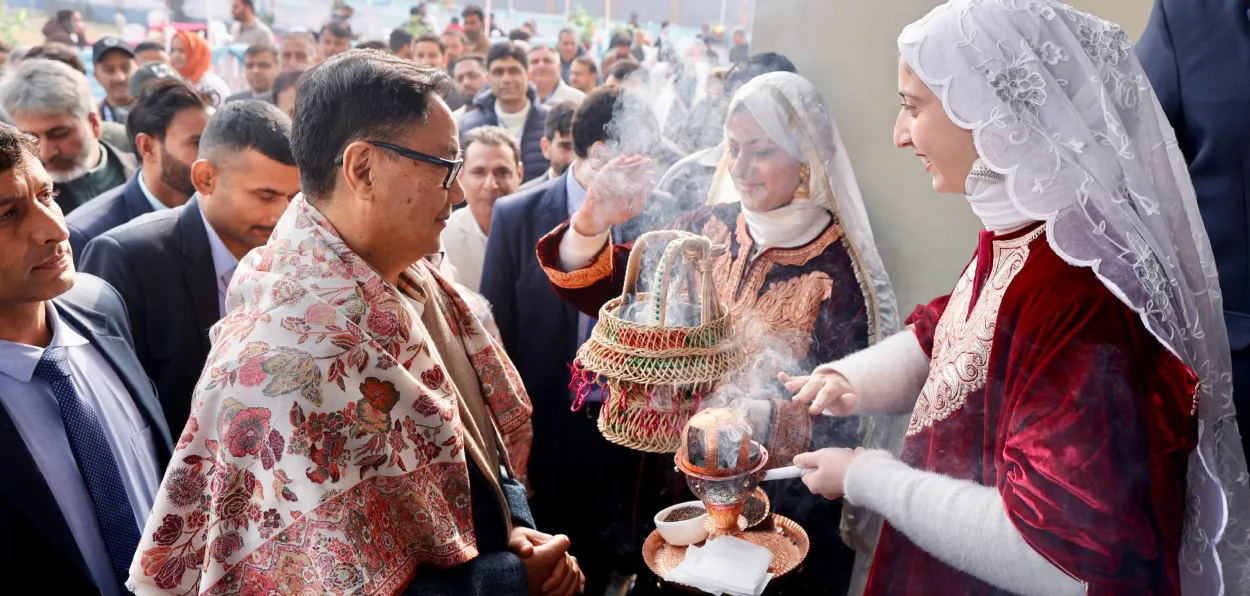
Zoariah attracted attention when she questioned actor Zaira Wasim's criticism of Kashmiri schoolgirls performing at an Independence Day celebration. She challenged the idea that girls participating in a school performance should become the subject of religious scrutiny.
She questioned the assumption that the children had been forced to dance, pointing out that they might have participated willingly with their parents' consent.
"I studied at a missionary school, where we regularly performed in Christmas programmes. I could not understand the logic behind singling out these girls," she shared with Awaz-the Voice.
 Zeba Zoariah
For Zoariah, the issue was not about opposing religious beliefs but about allowing girls to express themselves without having to justify every choice.
She also defended Wasim's right to leave the film industry because of her personal religious convictions. However, she argued that individual choices should not become restrictions for others.
"The freedom that allows Zaira Wasim to say that her faith requires her to leave the stage must also protect another girl who believes that her faith and conscience allow her to stand on it," she said.
Her understanding of cultural harmony comes from her own childhood. Her grandmother narrated stories from the Ramayana, including those of Ram and Sita. These stories became part of her cultural upbringing without diminishing her Muslim identity.
She believes that religious, cultural and national identities need not compete with one another.
Zoariah draws inspiration from Assamese social reformer Chandraprabha Saikiani, who challenged the segregation of women behind a bamboo partition at the 1925 Assam Sahitya Sabha session in Nagaon.
For her, the incident reflects how restrictions on women have changed their appearance but not necessarily disappeared.
Today, women may be encouraged to pursue careers, but expectations surrounding marriage, household responsibilities and caring for parents often limit their choices.
"Notice that nobody has actually said no. Yet the conditions make a girl's freedom so restricted that eventually she begins saying no to herself," she observed.
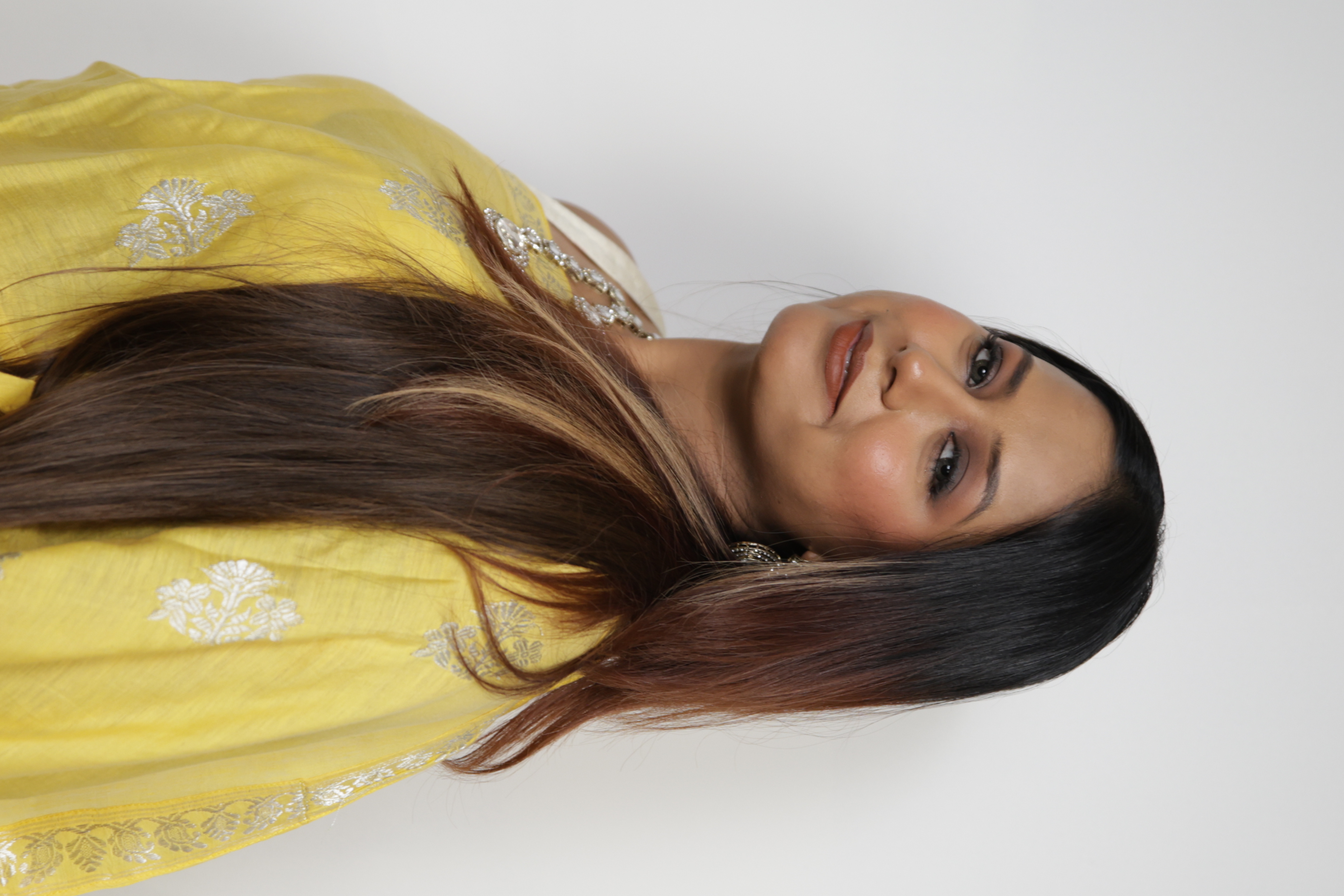 Zeba Zoariah
She also questions why domestic responsibilities disproportionately fall on women, even when both partners have demanding careers.
"Competence becomes a punishment. A woman becomes excellent at managing everything, and her reward is being made responsible for everything," she said.
She believes empowerment should not be measured by whether a woman chooses a professional career or becomes a homemaker. The real question is whether the decision is hers.
Legal awareness is essential
As a lawyer, Zoariah stresses the importance of Muslim women understanding their legal rights, particularly concerning marriage and divorce.
She encourages women to read their nikahnama (marriage contract), understand the provisions relating to mehr (dower) and retain copies of important documents.
She supports compulsory registration of Muslim marriages and divorces in Assam, believing that proper documentation can protect women in legal disputes.
However, she says legal reforms must be accompanied by affordable legal assistance and awareness programmes.
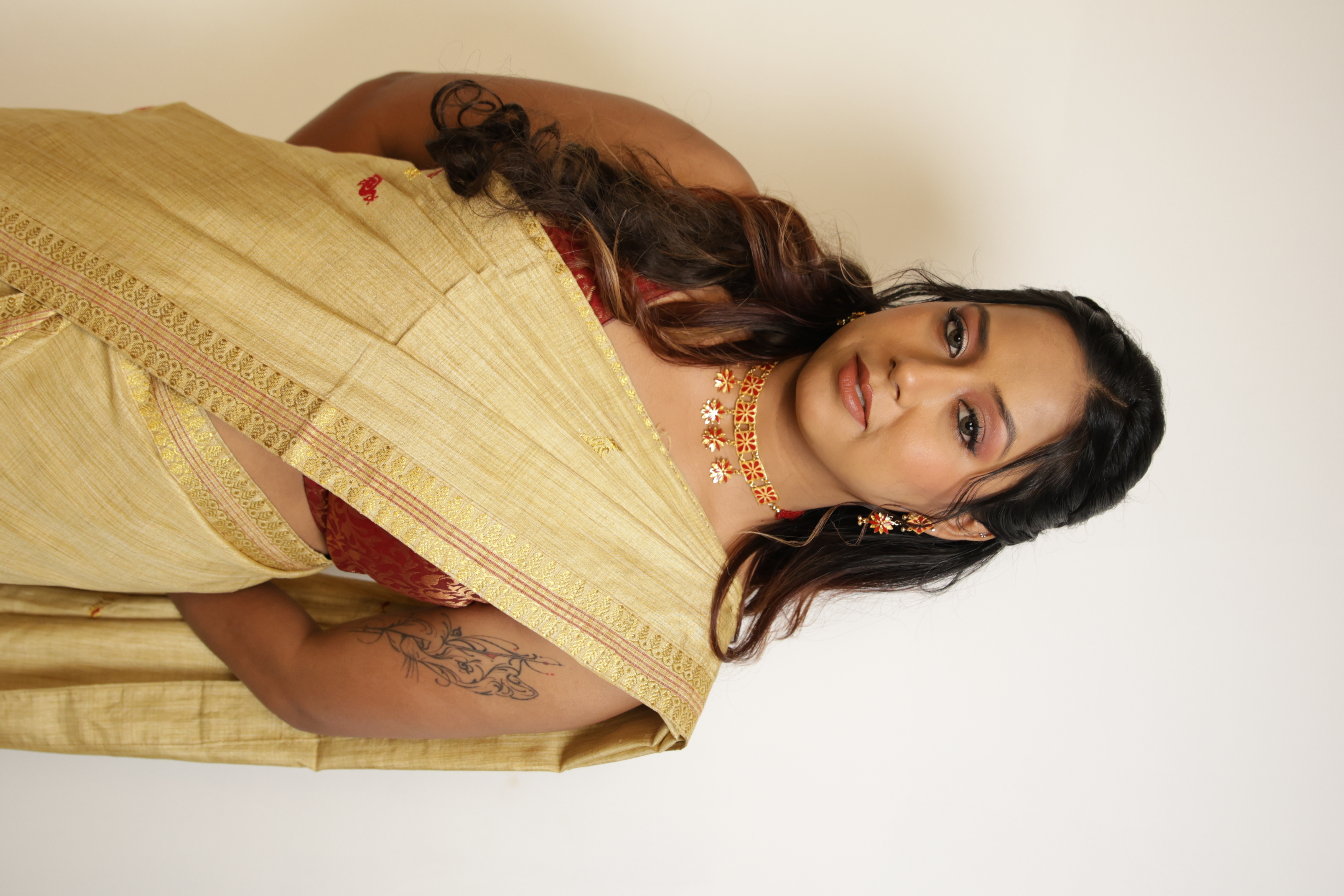 Zeba Zoariah
Women facing marital difficulties should be able to access their documents, find accommodation and support themselves financially rather than remain dependent on the person with whom they are in conflict.
"Awareness must go beyond simply telling women that they have rights; they must also know how to exercise them," she said.
Zoariah also advocates freedom in matters of religious appearance. Speaking about the hijab, she says women should neither be forced to wear it nor compelled to remove it.
For her, the choice belongs to the woman.
A society that allows daughters to disagree
Despite her criticism of restrictive practices, Zoariah sees positive changes within Muslim society. She appreciates the growing participation of women in public life and initiatives such as the Bharatiya Muslim Mahila Andolan's efforts to train women as qazis.
She believes that seeing women occupy positions traditionally associated with men can expand the aspirations of younger generations.
She also credits her own family for supporting her independent opinions, even when some of her views have made relatives uncomfortable.
ALSO READ: After prayers, the huge premises of mosques must be used for society
Her hope is that more families will allow daughters to question, disagree and pursue their ambitions without fearing rejection.
Her message is not against religion or tradition but against using either to deny women their choices.
"Everyone should have the opportunity to prosper, speak, learn, unlearn, make mistakes and get back up," she said.