New Delhi
Curiosity around how celebrities manage their wealth never fades. Adding a refreshingly honest perspective to the conversation, Madhuri Dixit recently spoke about her early relationship with money and how it evolved over time.
In an interview, the actor revealed that when she began working at a young age, financial decisions were not really her focus. “I earned small amounts initially and spent on basic things like buying a car. Once my work picked up, I was constantly busy and had no time to manage my finances. My father handled most of it,” she shared.
It was only later, after marriage, that Dixit truly began understanding money management. “I learned a lot from my husband. He’s very good with finances, investments, researching companies, and long-term planning. Earlier, I knew very little about money, but today I’m much more aware,” she said.
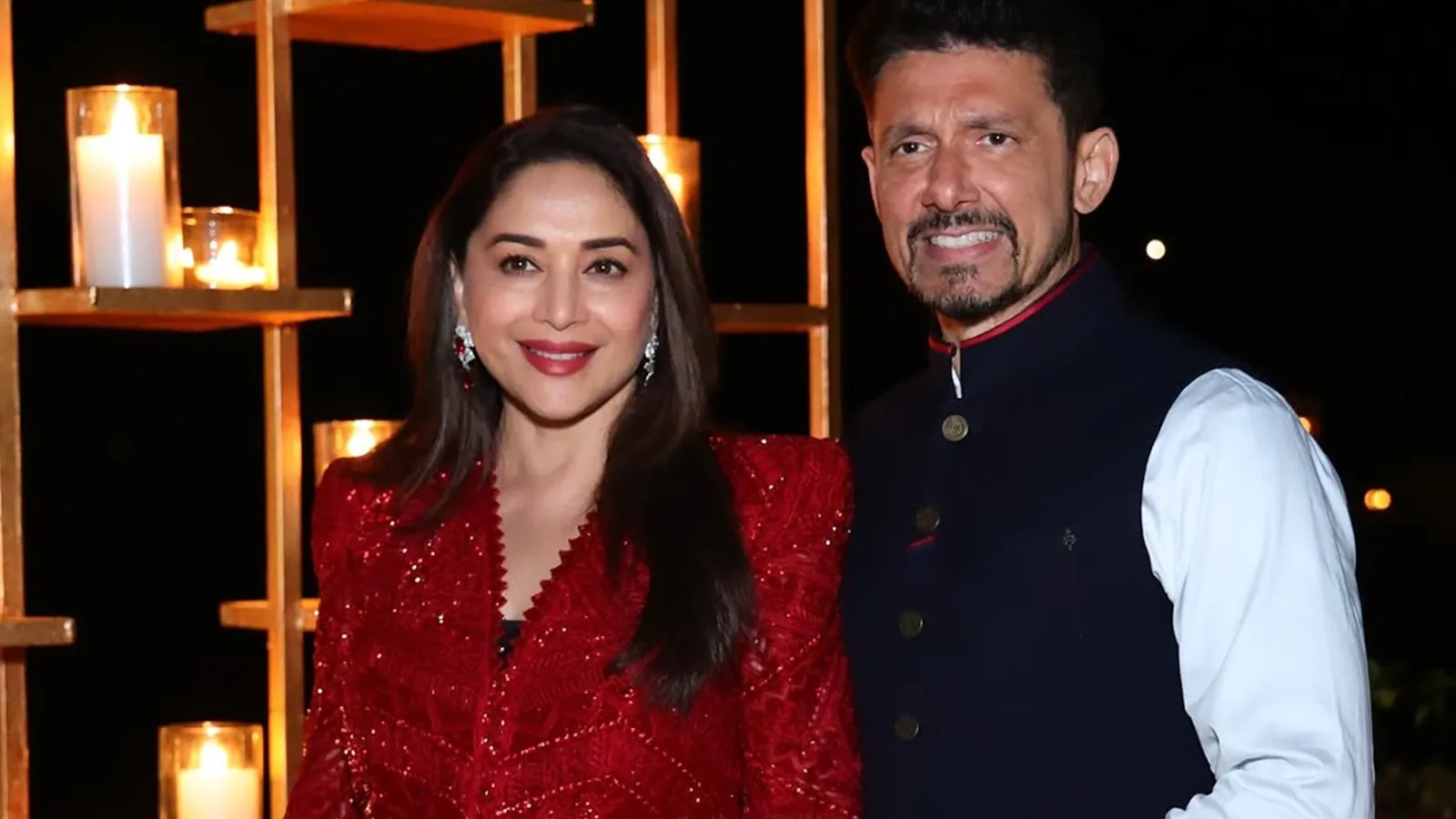
Madhuri shares that Dr Nene taught her the basics of investing
Building a healthier money mindset
Financial expert Mukesh Pandey, Director of Rupyaa Paisa, believes that long-term security begins with a simple shift in mindset, saving and investing before spending. According to him, this approach helps reduce stress, build assets, and support a lifestyle rooted in stability rather than appearances.
“In today’s influencer-driven world, it’s easy to feel pressured to spend on luxury to appear successful,” Pandey told during a chit chat. “Designer labels and expensive gadgets may bring instant gratification, but they don’t guarantee financial freedom. Discipline does.”
He emphasises that prioritising savings doesn’t mean sacrificing enjoyment, it means choosing wisely. A strong financial mindset curbs impulse buying, promotes intentional spending, and prepares individuals for both opportunities and emergencies.
Simple ways to build financial discipline
Pandey suggests a few practical habits to strengthen money management:
Pay yourself first: Treat savings like a fixed monthly expense by automating transfers.
Set clear goals: Defined objectives, such as buying a home or early retirement give direction to spending.
Track expenses: Knowing where your money goes helps identify leaks and improve habits.
Delay gratification: Waiting 24 hours before non-essential purchases often reduce unnecessary spending.
Invest smartly: Let time and consistency work in your favour to grow wealth gradually.
ALSO READ: Mohammad Saleem watches over birds, endangered animals and trees
In Dixit’s case, open communication played a key role. Pandey notes that couples who regularly discuss finances, income, savings, debt, and future expenses are better equipped to build trust and long-term stability. Transparent conversations, he says, form the foundation of a strong financial partnership.
Disclaimer: This article is based on publicly available information and expert insights.











.webp "Eggs (Representational Image)")