Sabiha Fathima Begum
On December 14, 2025, at Bondi Beach in Sydney, Sajid and Naveed Akram, a father-son pair originally from Hyderabad, shot and killed 15 Jewish people during a Hanukkah celebration. Radicalized through ISIS networks encountered during a trip to the Philippines, their attack marked Australia's deadliest anti-semitic attack.
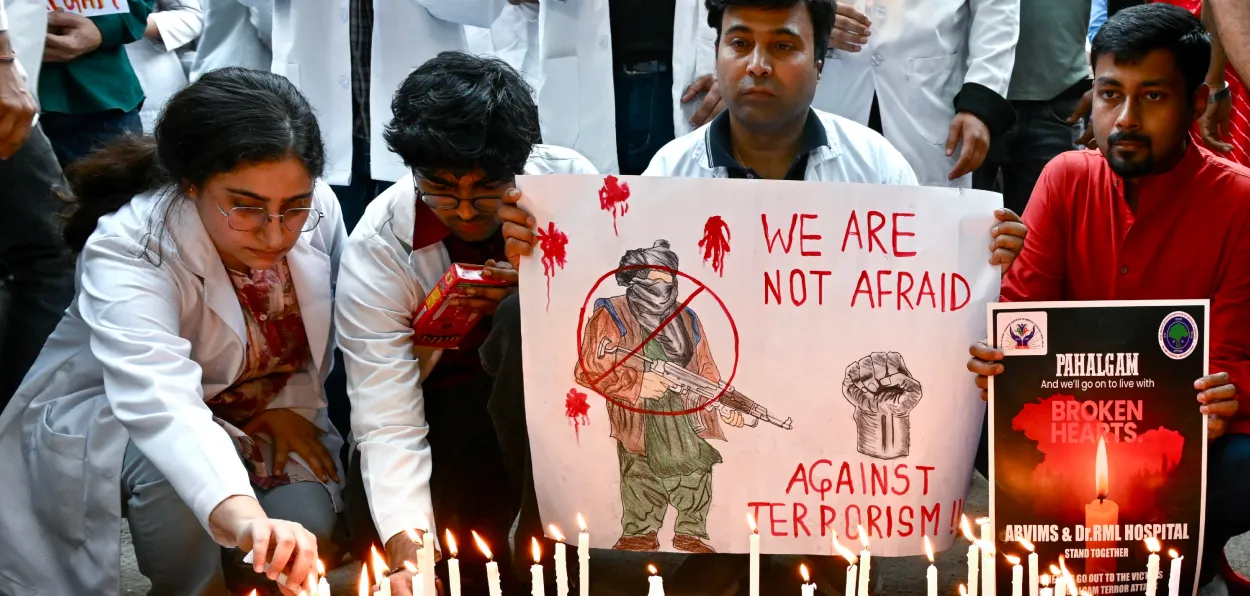
On April 22, 2025, in Pahalgam, Kashmir, militants from The Resistance Front, a Lashkar-e-Taiba proxy, opened fire on Hindu tourists, killing. The assault turned a popular tourist spot into a scene of targeted violence, showing how long-standing separatist tensions can fuel localized radicalization that strikes at everyday life and perceptions of cultural change.
Seven months later, on November 10, near Delhi's Red Fort, a doctor Umar Un Nabi, drove a car loaded with ammonium nitrate into a crowded market and detonated it. The blast killed 15 people including suicide bomber, and injured 20 others. Tied to Jaish-e-Mohammed, his actions stemmed from online radicalization. Umar's case highlights subjective radicalization: an educated professional from Kashmir, drawn into violence through personal ideology and far from the conflict.
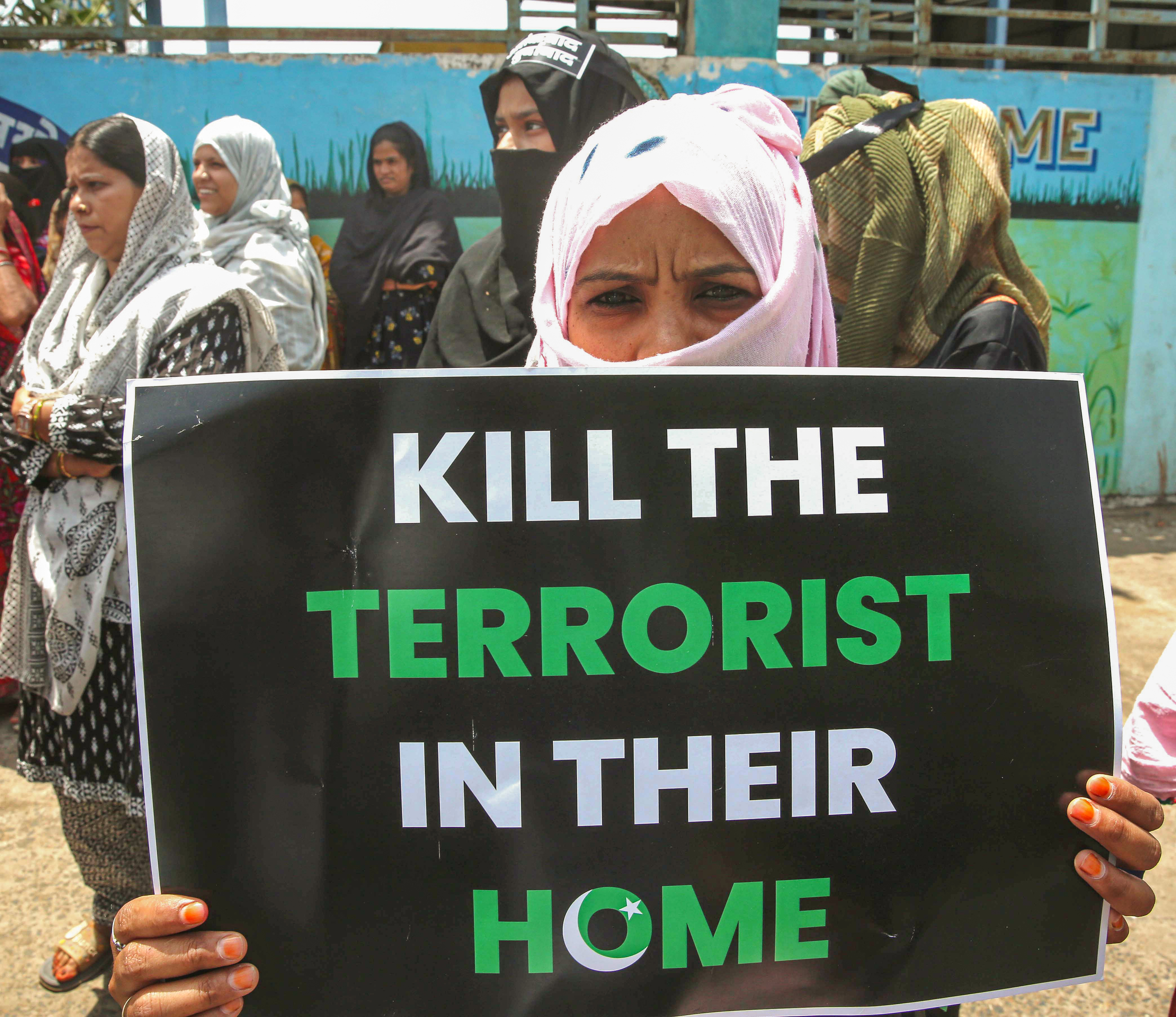
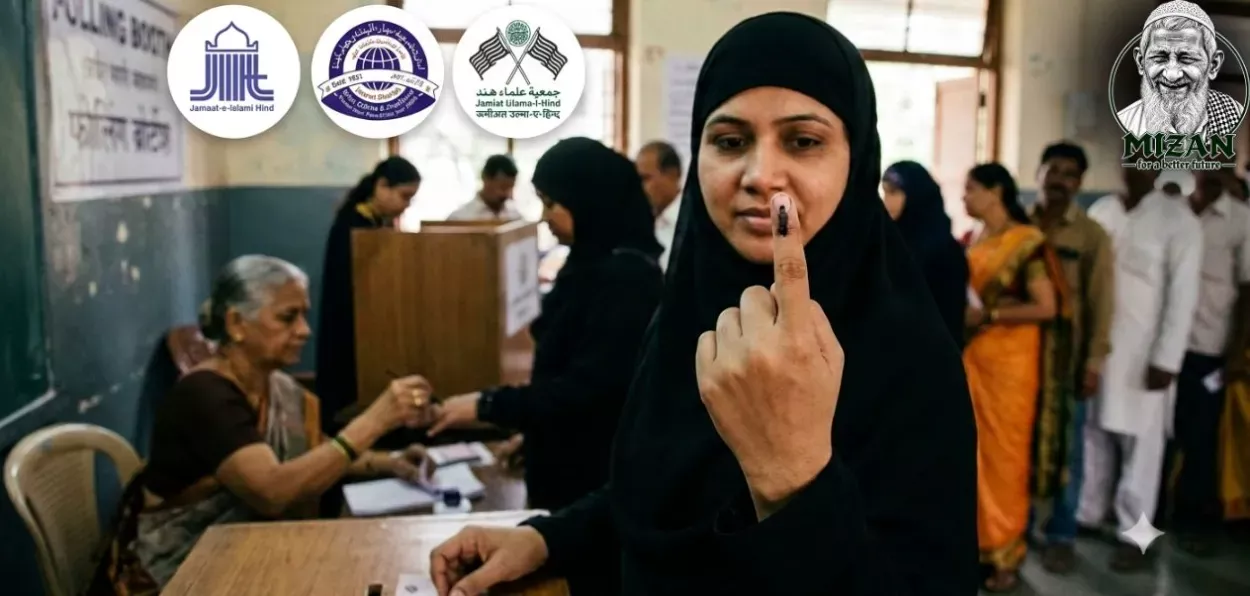
In Bhopal, Muslim women protesting against terrorism
These events connect through subjective radicalization. Individual minds, shaped by ideology's pull, disrupt societies in unpredictable ways. But importantly, this is not limited to one group. In India, Hindu radicalization has surged too. According to the Armed Conflict Location and Event Data Project's April 2024 report, cow vigilantism motivated 22 percent of communal violence by Hindus targeting Muslims between 2019 and mid-2024.
The patterns are the same, narratives twisted by social media, selective scripture, us versus them divides. Radicalization grows from grievances meeting rigid beliefs, turning faith into force. It is a process shaped by education, online spaces, politics, and religious settings. To stop it, we need to understand those roots, before ideas ignite into harm.
Radicalization means warping religious concepts into extreme views that green light hate or violence. In some Muslim contexts, it arises not from core teachings but from social strains: economic hardship, power struggles, and people with shallow knowledge claiming authority. They use faith for control, sidelining Islam's focus on kindness and limits. Faith gets politicized, identity rigidifies.
Yet the Quran sets boundaries. "There is no compulsion in religion" (2:256) stresses free choice. "To you your religion, to me mine" (109:6) honours differences.
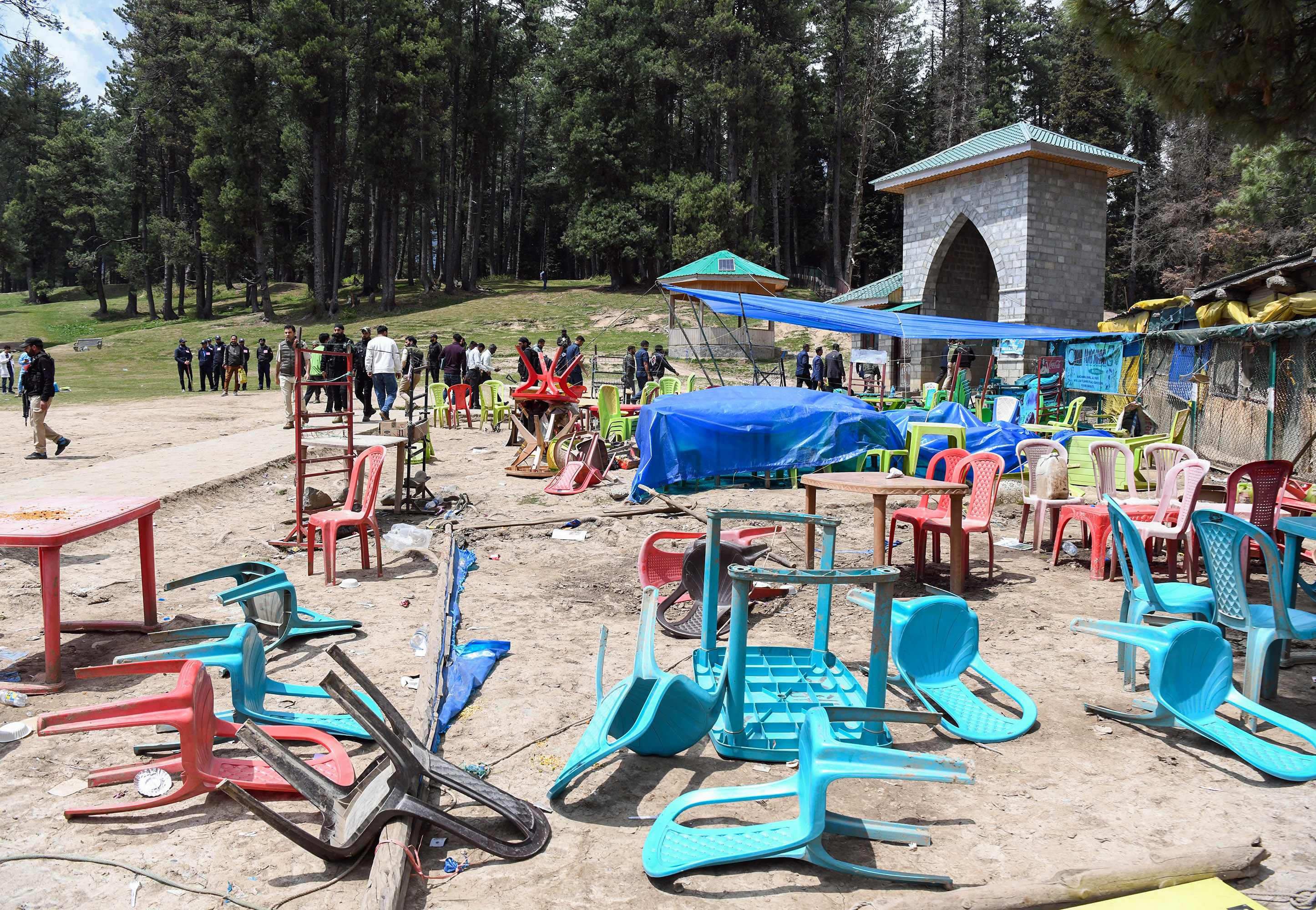 Baisaran (Pahalgam) after the April 22, terroirist attack
Insulting others' beliefs is banned: "Do not abuse what they invoke besides Allah, lest they abuse Allah in ignorance" (6:108).
The term "kafir," often hurled as an insult that offends Hindus and other non-Muslims, is meant as a neutral theological label. Scripture cautions against hasty judgments: "O believers, do not say to one offering peace, 'You are not a believer'" (4:94). And "Do not insult one another or use offensive nicknames" (49:11).
Extremism comes from misusing these texts for personal gain. Authentic Islam promotes humility, fairness, and living together, qualities sidelined when religion shrinks to soundbites.
Madrasas often face scrutiny in this debate, especially amid rising polarisation. As per official data, India has 24,010 madrasas, with 19,132 recognised and 4,878 others. Uttar Pradesh hosts the most, at 11,621 recognised and 2,907 unrecognised.
In northern India, they are stereotyped as radicalisation hubs, with broad-brush claims ignoring their variety. Governments introduce regulations, cut funding for non-modern ones, or push restructuring, aimed at improvement but often sparking defensiveness and division.
 Poilice patrolling around site of terrorist stike at Bondi beach in Australia
The region has renowned institutions like Darul Uloom Deoband, which have long produced scholars blending theology with ethics and social insight. But others lag: underfunded, with outdated syllabi and little modern exposure, leading to generalisations that hurt everyone. In southern India, an influx of moulvis from declining northern centers has strained smaller madrasas.
With limited training, scant focus on critical thinking, languages, or civics, students gain religious knowledge but struggle in broader society. This can foster inflexibility, leaving them open to the narrow views behind attacks like Pahalgam's or Delhi's. While most madrasas are moderate, the Combating Terrorism Center at West Point's undated analysis estimates fewer than 5 percent in Southeast Asia, like Indonesia's 30 out of 14,000, link to extremism.
The core issue is not madrasas as a concept, but inconsistencies in quality, politicisation, and stalled reforms. When they are isolated by policy or inertia, they turn inward. Solutions lie in support for openness, depth, and links to wider education. Uttar Pradesh's 2023-2025 initiative mandates Hindi and English up to Class 10, plus science and computer labs in recognised madrasas, aiming to align with NCERT standards; a 2022-23 survey covered 25,000 institutions to guide changes, though funding cuts hinder progress.
Digital tools are shifting the ground quietly. Online access to texts, lectures from global scholars, and discussions lets young Muslims sidestep traditional gatekeepers. Generations Z and Alpha, wary of organised religion in a polarised world, approach it selectively: researching thoroughly, verifying sources, and challenging norms. Faith becomes a personal exploration, not a given. This democratizes knowledge, reducing the echo chambers' hold and fostering ethical depth, if traditional spaces adapt.
Short-form content like reels adds complexity. It boils down ideas into bites that stir emotions or spread partial truths, as seen in the online paths to Sydney's violence. But it can also ignite interest, debunk myths, and point to fuller resources. The info flood overwhelms, yet dedicated seekers learn to filter, building judgment over time.
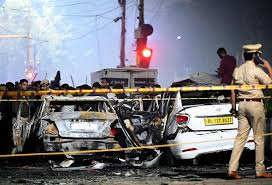
Venue of Delhi blast near Red Fort
For years, coverage of young Muslims online stressed risks: recruitment in hidden forums, targeting the vulnerable. Those threats persist. But we have overlooked the flip side, "digital discipleship," or tarbiyah: building character through informed community. Platforms do not replace mosques; they invite entry. A short video prompts questions, leading to deeper dives. The International Islamic University Malaysia's July 26, 2025 study surveyed 345 Gen Z students: 78 percent curate their feeds intentionally for faith growth, blending Quran audio with ambient tracks or posts linking patience to mental health.
A qualitative study in Religions Journal, published January 2025, interviewed 64 Gen Y and Z from Christian, Hindu, and Muslim backgrounds in Mumbai, finding that digital affective content shapes beliefs through interactive reels, often deepening ties.
This counters toxicity with thoughtful engagement.
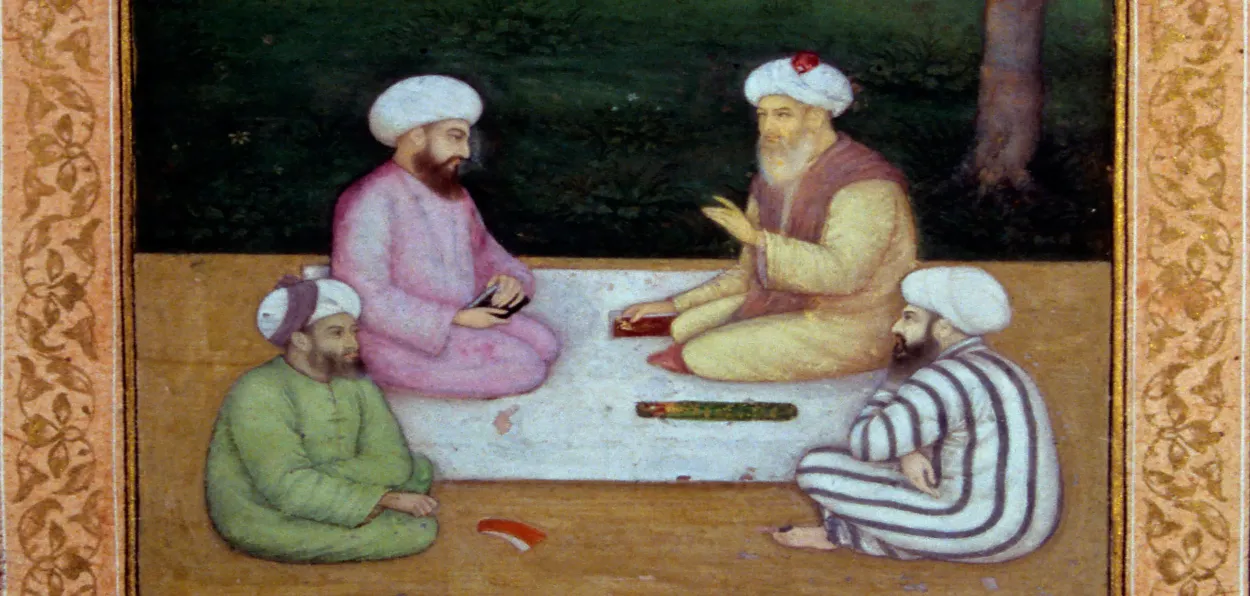
Centuries ago, in Medina, the Ashab al-Suffah lived simply by the Prophet's mosque, poor, focused, and absorbing the Quran and Hadith daily. They set the template for learning spaces: ribats blending study and service, Sufi zawiyahs fostering connection, medieval madrasas merging faith and reason. Today, that dedication lives online.
Youth are not passively scrolling; they are building digital routines, midnight searches for purpose, reels on rituals tied to real-life tips, and endurance explained through psychology. It is not superficial; these sparks lead to sustained study. Like the Suffah companions navigating temptations of trade, modern seekers dodge distractions of endless feeds. The form evolves, bench to screen, group to grid, but the drive for meaningful knowledge endures, shaping souls.
ALSO READ: Kashmiri MMA fighter Owais Yaqoob hoists the tricolour in Bukhara
These incidents, Pahalgam, Delhi, Sydney, get framed as isolated failures, but together they expose radicalisation's wide reach: beyond one place, people, or path. Grounded in disconnection and amplified by tech, it calls for broad fixes: revitalised madrasas, media savvy, and cross-faith talks. The Suffah's lesson holds: sincere seeking of truth is our best defence. Whether on a worn mat or a lit display, that pursuit keeps the darkness at bay.