

Eman Sakina
Unity is one of the most beautiful teachings of Islam. It is not merely about standing together; it is about keeping our hearts free from hatred, respecting one another, and working for the welfare of society. Islam teaches that people may differ in language, culture, colour, tribe and traditions, but these differences should never become a reason for hatred or division. The same principle is important for national unity, especially in a diverse country like India.
Friday Musings
Allah says in the Holy Qur’an: “And hold firmly to the rope of Allah all together and do not become divided.” (Surah Al-Imran 3:103)
This verse gives a message that unity brings strength, while division weakens society. When people put aside personal interests and work for a common purpose, they create an atmosphere of peace and progress. In the same way, every Indian, regardless of religion or community, has a responsibility to protect the unity, dignity and prosperity of the nation.
The Qur’an reminds us that human beings share a common origin and should treat one another with respect. Allah says: “Indeed, the believers are brothers.” (Surah Al-Hujurat 49:10)
Islam encourages Muslims to help one another, forgive mistakes and settle disputes peacefully. However, the spirit of brotherhood also teaches us to show kindness and justice towards people of every faith. A good Muslim should be a source of peace, trust and compassion for society.
Another important verse states: “And We made you peoples and tribes that you may know one another.” (Surah Al-Hujurat 49:13)
This verse explains that diversity is not a weakness. Rather, it is an opportunity to understand and respect one another.
Islam brings together Muslims from different countries, tribes, languages and schools of thought through their shared belief in Allah and His Messenger, Prophet Muhammad. The central lesson remains that differences should not destroy the bonds of faith, humanity and mutual respect.
Sardar Patel’s Vision Through an Islamic Lens
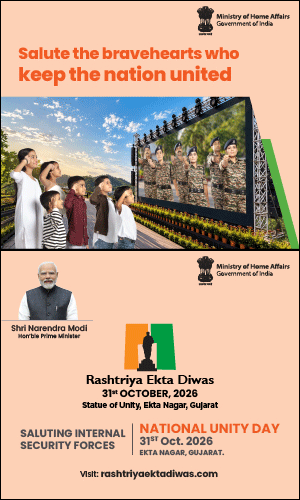
Sardar Vallabhbhai Patel, popularly known as the Iron Man of India, played a historic role in integrating hundreds of princely states into the Indian Union after independence. His life reminds us that unity requires courage, practical wisdom, discipline, and a commitment to the greater good.
From an Islamic perspective, his work can be understood through the Qur’anic principle of cooperation in righteousness. Allah says:
“And cooperate in righteousness and piety, but do not cooperate in sin and aggression.” — Qur’an 5:2
Patel’s contribution to national integration reflects the importance of putting collective welfare above narrow interests. His legacy encourages us to resolve differences through dialogue, strengthen institutions, and protect India’s unity. Although Patel was not expressing Islamic teachings, his commitment to national integration resonates with Islamic values of justice, responsibility, and social harmony.
National unity cannot be achieved through speeches alone. It requires honesty, compassion, fairness, and a willingness to stand beside people in times of difficulty. When we help the poor, protect the dignity of others, reject communal hatred, and work for the common good, we turn the principle of unity into a living reality.
Sardar Patel’s reported watchword, “unity and more unity,” offers a powerful reminder of this responsibility. His efforts to integrate more than 560 princely states demonstrated the importance of collective purpose in nation-building.
The true spirit of Islam does not ask a person to abandon their identity to respect another person. It asks them to uphold justice, fulfil their responsibilities, and treat others with dignity. Similarly, patriotism does not require uniformity of religion or culture; it requires a sincere commitment to the welfare and national unity.
As responsible citizens, we should reject hatred, strengthen dialogue, and contribute to the welfare of every community. Let our faith inspire compassion, our differences enrich our society, and our shared responsibilities unite us as Indians.
ALSO READ: Indian Armed Forces are a sacred calling for India’s youth
A united society is a source of strength, peace, and progress. When we stand together in justice and humanity, we honour both the moral teachings of our faith and the spirit of our nation.