Alfiya Shaikh/Mumbai
The Maharashtra government has constituted a state-level committee to assess the educational, economic and social status of backward Muslim communities, commonly referred to as Pasmanda Muslims, and recommen measures for their upliftment. The committee has been asked to submit its report within one year.
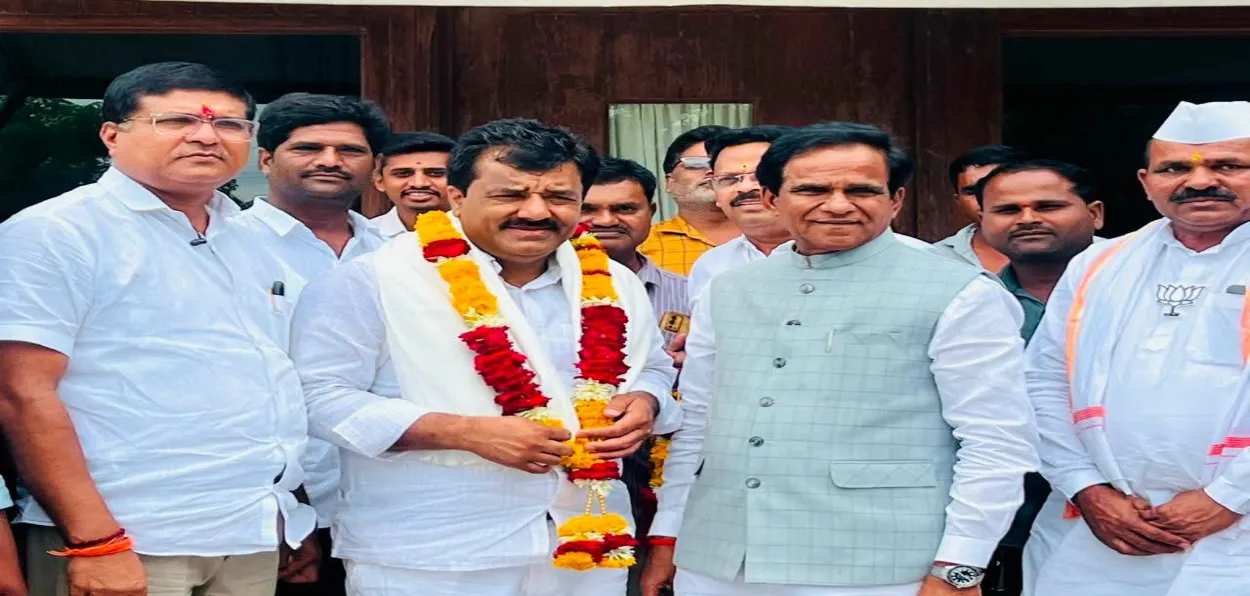
Idris Multani who is the State President of the Bharatiya Janata Party (BJP) Minority Morcha in Maharashtra, has since been appointed as the Chairman of the Maharashtra State-Level Study Committee for the Pasmanda Muslim community, a role granted the status of a Minister of State.
The Department of Minority Development, which issued the notification, said the committee has been constituted following representations from the Pasmanda community and other backward Muslim castes regarding the inadequate implementation of welfare schemes. The initiative aims to ensure that the benefits of government programmes reach these marginalised sections effectively.
The committee will conduct a comprehensive review of the condition of Pasmanda Muslims and other backward Muslim castes across the state. It will identify shortcomings in existing welfare schemes, suggest corrective measures, and submit recommendations directly to the government to improve their socio-economic status.
A key focus will be education. The panel will examine the community's representation from primary to higher education, investigate the reasons for low enrolment and high school dropout rates, and assess their participation in technical and vocational education. It will also study the obstacles faced in accessing government educational schemes.
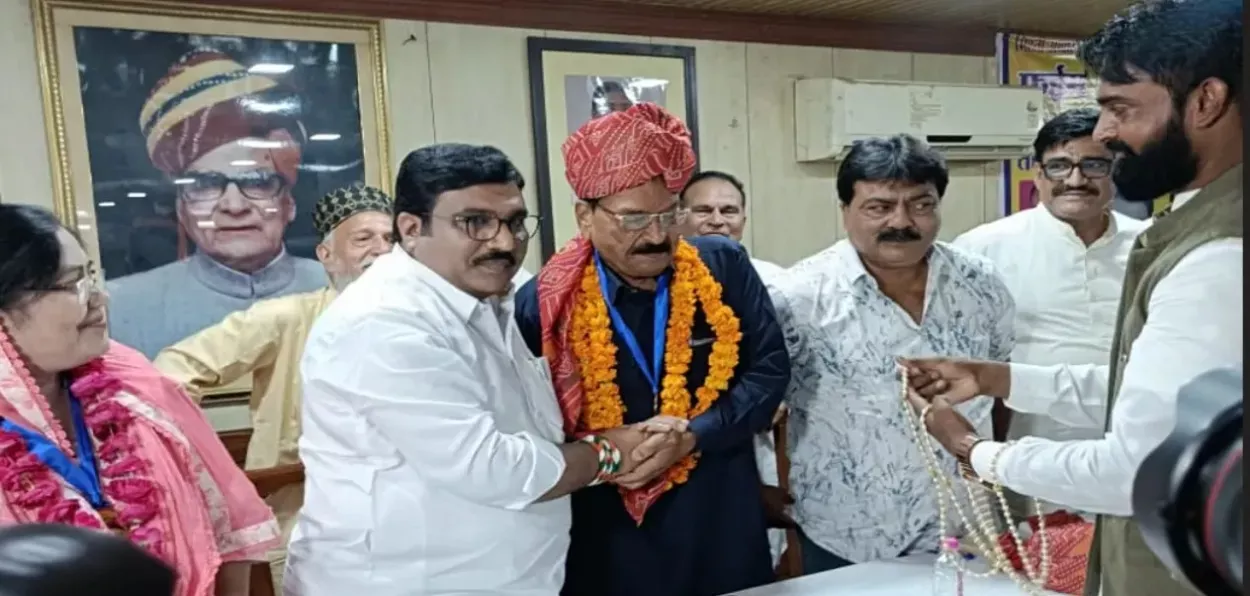
 Idris Multani holding a meeting with Muslims
The committee will evaluate the community's economic and employment status by analysing participation in both the organised and unorganised sectors. It will examine the extent of self-employment, access to institutional credit for entrepreneurs, and the proportion of Below Poverty Line (BPL) families among these communities.
It will also assess infrastructure and civic amenities in Pasmanda-dominated localities, including healthcare facilities, availability of safe drinking water, roads, sanitation, and other essential public services.
Special emphasis will be placed on the empowerment of women and youth. The committee will recommend measures to enhance the financial independence of minority women and strengthen skill development and employment opportunities for young people.
In addition, the panel will review the implementation of existing government schemes to identify technical and administrative bottlenecks that prevent benefits from reaching intended beneficiaries. It will also suggest ways to improve the utilisation of funds earmarked for the development of these communities.
The report will be prepared through data collection, field visits by committee members, and consultations with stakeholders and the public.
Multani has emerged as a prominent BJP leader in Maharashtra after defeating senior Shiv Sena leader Abdul Sattar in the Sillod-Soygaon constituency in his maiden electoral contest, earning the reputation of a "giant killer."
In the recent Zilla Parishad and Panchayat Samiti elections, he further dented Sattar's political influence by strengthening the BJP's presence in Soygaon taluka. Recognising his role in expanding the party's outreach among Muslims, the BJP reappointed him as the State President of its Minority Morcha for a second consecutive term.
ALSO READ: Sajida Khan: India's first woman audio engineer
His appointment as chairman of the Pasmanda Muslim study committee, with the rank of Minister of State, is being viewed as another acknowledgement of his growing political stature within.




.webp "A Maulana with the ancient hand-written Quran")