Suleiman Shaikh
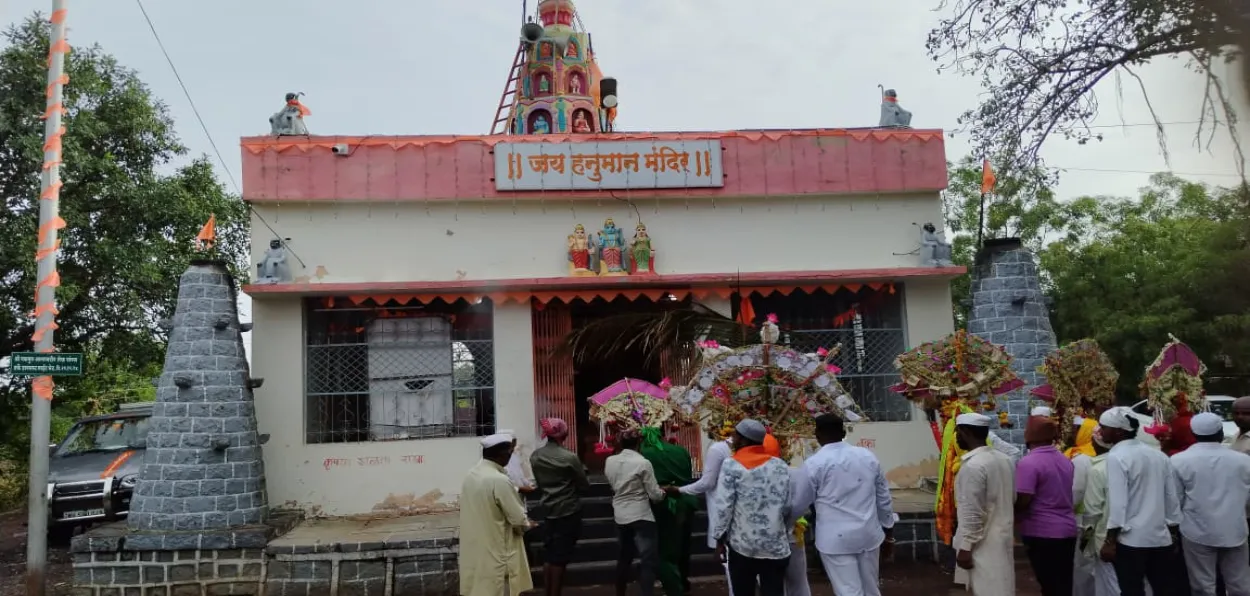
Lord Hanuman is the village deity, while Imam Hasan and Imam Hussain—the grandsons of Prophet Muhammad who were martyred at Karbala—are revered with equal devotion in Devsinga Nal, a small village in Maharashtra's Marathwada region.
Situated in Tuljapur taluka near the historic Naldurg Fort on the Balaghat mountain range, Devsinga Nal is home to around 1,200 people spread across nearly 150 families. Muslims and members of the Laman community form the majority of the population. Agriculture and dairy farming sustain most households, although inadequate water storage, limited transport and scarce employment opportunities have forced many residents to migrate to nearby cities.
Yet despite its modest resources, the village preserves an extraordinary cultural legacy.
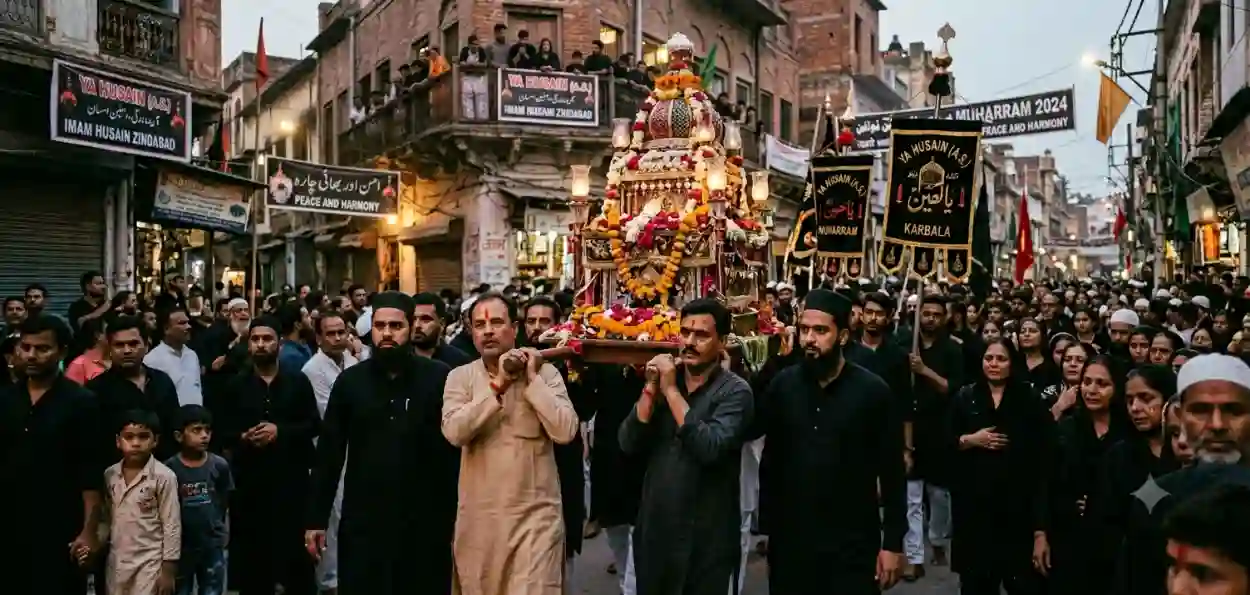
The recently concluded Muharram observance once again demonstrated the village's deep-rooted tradition of communal harmony. Hindus and Muslims jointly celebrate Muharram, Hanuman Jayanti, Karhunvi (Karnataka Bendur), Sevalal Maharaj Jayanti and Navratri, treating them as festivals of the entire village rather than of individual communities.
The reverence for Lord Hanuman and Imam Hasan-Hussain is so deeply intertwined that villagers almost always invoke their names together.
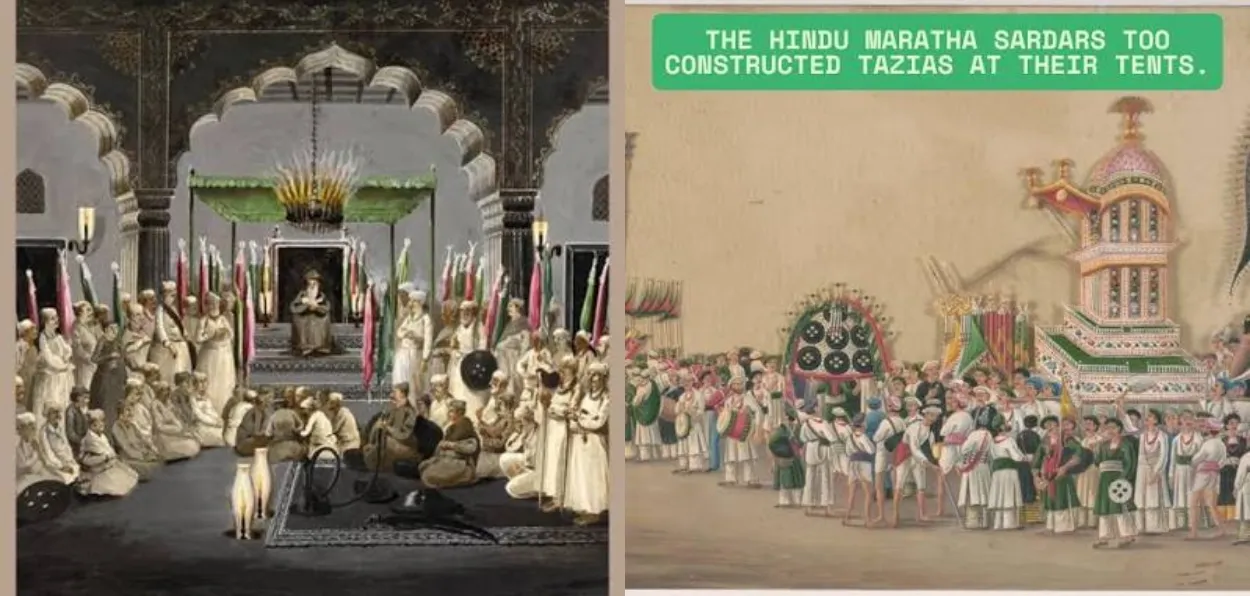
This shared heritage reflects the broader cultural history of the Deccan. The region remained under the influence of several successor Sultanates of the Bahmani kingdom, many of whose rulers were of Persian origin and deeply influenced by Shia traditions. Their patronage of Sufi saints helped nurture an inclusive culture where religious boundaries were often softened by shared customs and devotional practices.
Across the Deccan, Muharram evolved into a people's tradition rather than remaining confined to a single community. In many villages of Karnataka, even those without a Muslim population, Hindus continue to build Tazias, maintain Ashurkhanas and participate in Muharram processions.
Inspired by this composite culture and the spirit of India's freedom movement, Muharram in Devsinga Nal was initiated by a Hindu resident. Care was taken to ensure that every household received the honour of participating in the observance.
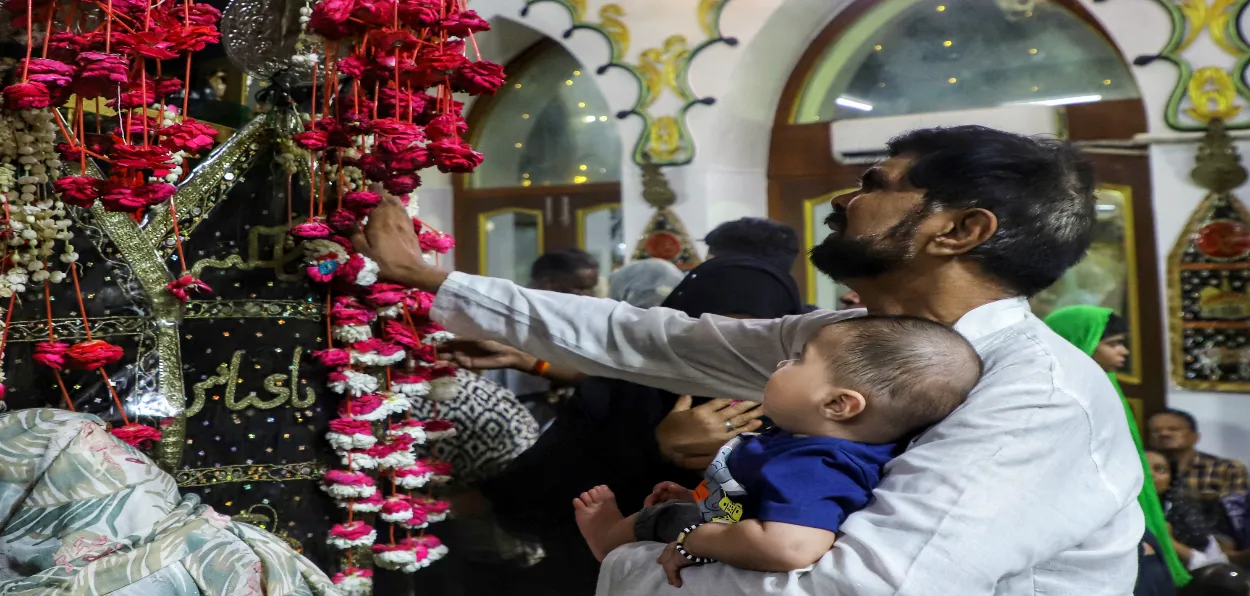
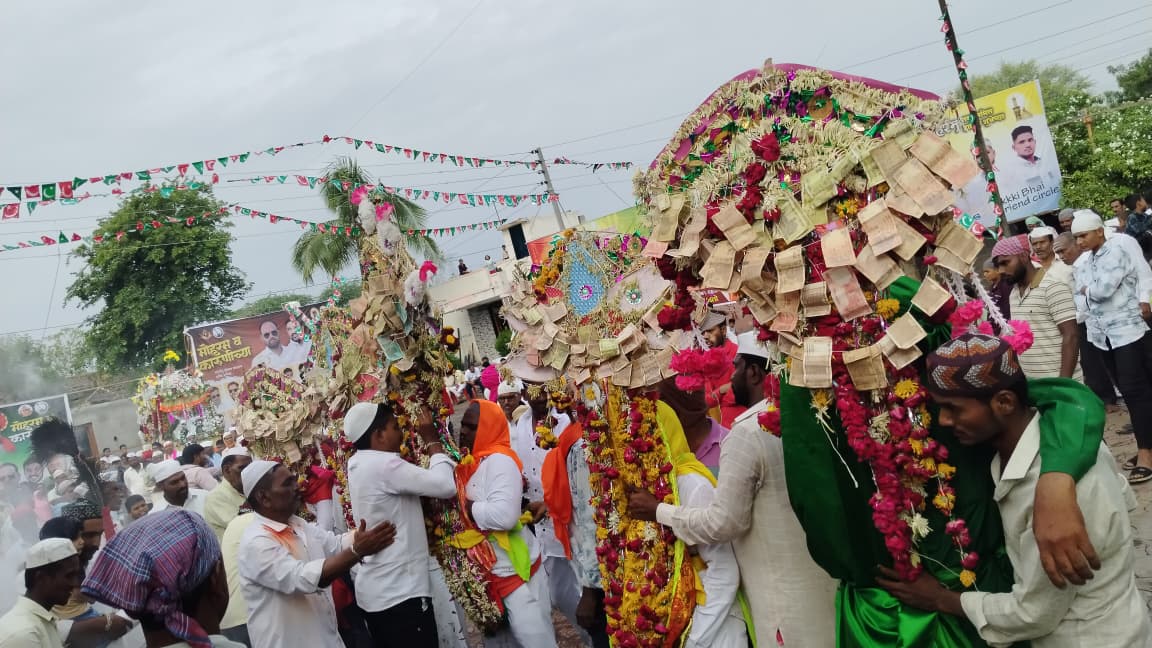
The ceremonies begin with the sighting of the new moon and the ritual striking of the Kudali, marking the digging of the fire pit. On the fifth day, the Panjas (Alams or standards) and the Doli (palanquin) are installed in the Ashurkhana. Alongside the standards dedicated to Imam Hasan, Imam Hussain, the Twelve Imams and Nalsaheb Ali, the palanquin symbolises Bibi Fatima, daughter of the Prophet Muhammad and mother of Hasan and Hussain.
The Alams are crafted by local artisans using indigenous materials and folk traditions. Constructed from bamboo, paper, wood and local metals, they reflect Indian craftsmanship, while the decoration of the palanquin bears the unmistakable influence of temple chariots and regional processional traditions.
The seventh day, known as Lahan Kattalchi Rat (the lesser night of martyrdom), is marked by offerings and the recitation of Fateha. During this period many villagers take vows to become Faqeers for a day, seven days or even an entire year, symbolically embracing sacrifice and humility.
Before dawn on the eighth day, the standards are carried in procession to every household. Families break coconuts, pour water over the feet of those carrying the Alams and seek blessings. The procession also halts at the Hanuman temple, where respects are offered before the standards return to the Ashurkhana.
The ninth day, known as Mothi Kattal (the major night of martyrdom), features processions of all the standards except those of Hasan and Hussain. On the morning of Ashura, the tenth day, all five standards and the palanquin are taken out in a grand procession. Villagers seek spiritual guidance through the Alams, while many devotees lie beneath the palanquin to receive blessings.
Each evening, devotional Riwayats—poetic narratives in praise of the martyrs of Karbala—are sung in Marathi, Dakhni and Kannada. Nights are filled with traditional martial arts demonstrations and folk performances accompanied by the rhythmic beats of the Halgi drum.

On the evening of the tenth day, villagers gather around the ceremonial fire pit to perform Dulha, a traditional display celebrating courage, while collective Marsiyas (elegies) are sung. Before the final immersion, an emotional symbolic meeting takes place between the standards and the palanquin representing Bibi Fatima.
The immersion is held at a specially prepared Karbala ground beside a local stream. Women accompany the procession to the edge of the village to bid farewell to the Alams. The observance concludes on the twelfth day with Ziarat. Traditional offerings include Roth—thick flatbreads baked with milk, flour and jaggery—and Chonge, sweet flatbreads with raised centres.
The village's traditional administrative structure also remains closely woven into the observance. The Patil, regarded as the head of the village, grants formal permission for the Alams to remain in the village and has the final authority over processions and the custodianship of the standards.
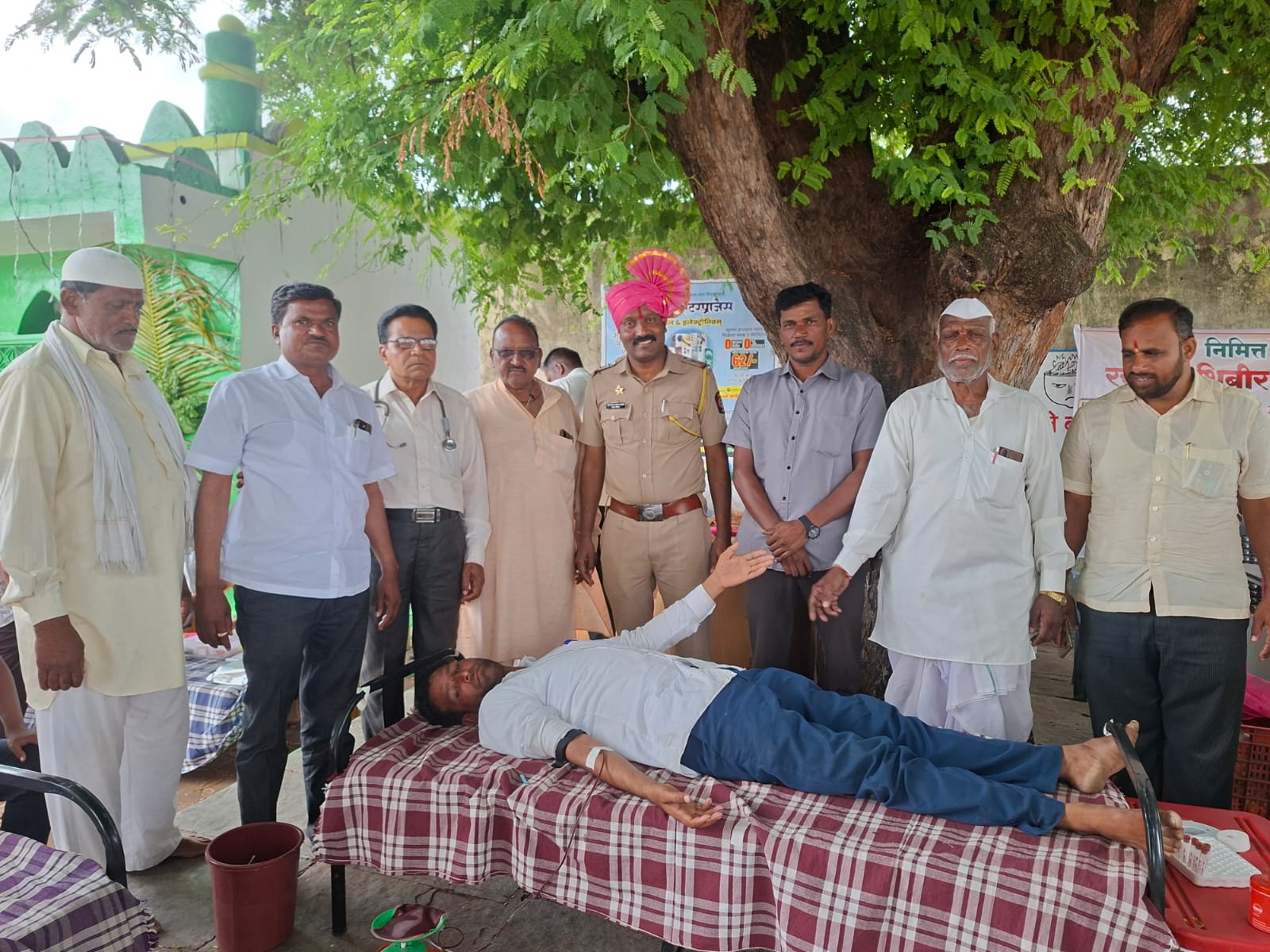
Yuvraj Patil, the village Sarpanch who also holds the traditional honour of the Patil, says, "Muharram binds our entire village together. Muharram and Hanuman Jayanti are not festivals of any one religion—they belong to all of us. Imam Hussain sacrificed his life for truth and justice, and to honour those values we organised a large blood donation camp in the village."
Mulla Hasan Shaikh, caretaker of the Ashurkhana, adds, "Our family has had the privilege of serving here for three generations. Because of the reputation of this shrine, not only Muslims but a large number of Hindu devotees also come here to fulfil their vows."
ALSO READ: Yusuf Khan picks Mewati folk music over engineering for perpetuating legacy
At a time when social divisions often dominate public discourse, Devsinga Nal stands as a quiet yet powerful reminder that the memory of Karbala can become a shared moral heritage—one that transcends religious identity and continues to inspire tolerance, mutual respect and justice.