New Delhi
Amid renewed discussions over cow protection and calls from sections of the Muslim community to declare the cow a national animal, debates from India’s Constituent Assembly reveal that some Muslim members had themselves sought a clear constitutional position on cow slaughter — with one even suggesting an explicit ban under Fundamental Rights.
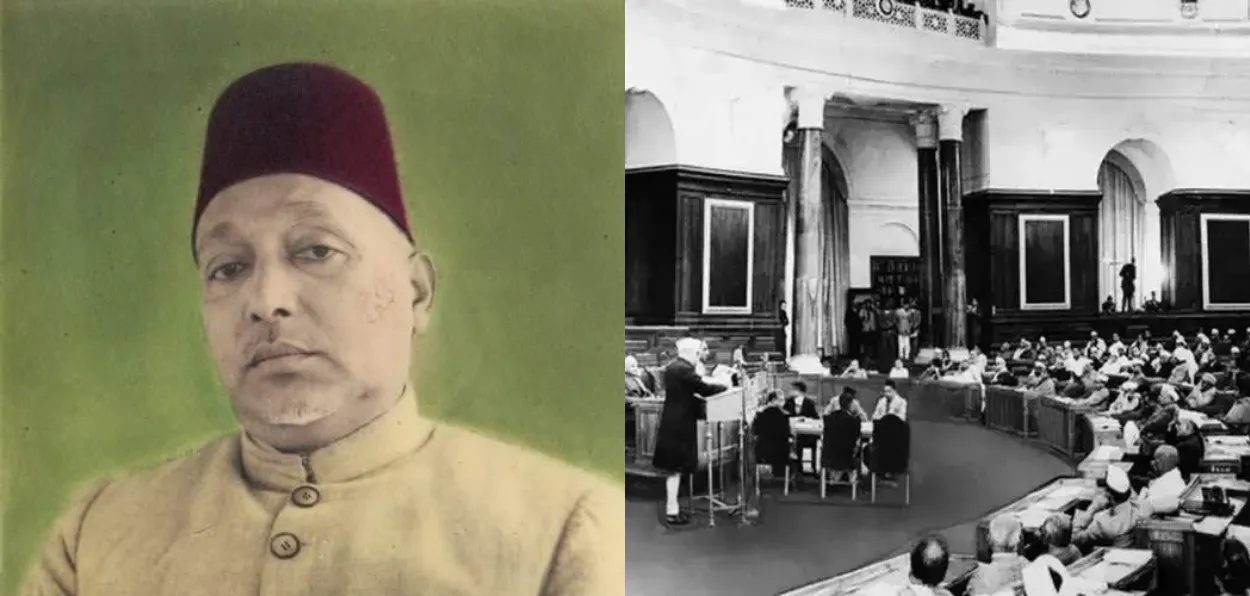
During Constituent Assembly discussions in November 1948, Syed Muhammad Saadulla said he would not oppose the framers of the Constitution if they openly stated that cow protection was rooted in religious belief.
Quoting the Quranic injunction “La Ikraba fid Din” — meaning there should be no compulsion in matters of religion — Saadulla said he did not wish to obstruct the Assembly if it directly declared cow protection a religious matter and incorporated it either under Fundamental Rights or Directive Principles.
However, he opposed attempts to justify the provision solely on economic grounds. He argued that Muslims did not slaughter cows to hurt Hindu sentiments and noted that poorer sections sometimes consumed beef because mutton was unaffordable.
“Fortunately or unfortunately, Muslims are meat-eating people. The price of mutton is so high that many poor people cannot buy it. Therefore, on rare occasions, they have to use the flesh of a cow,” Saadulla had said.
Another member, Z H Lari of the Muslim League, called for clarity and urged the Assembly not to leave the issue ambiguous.
Lari acknowledged the sentiments of those seeking cow protection, whether for religious or agricultural reasons, but said Muslims had long believed they could sacrifice cows during Bakrid without violating the principles of the state.
He argued that if the majority wanted to prohibit cow slaughter, it should be stated “in clear, definite and unambiguous words”.
“My own submission to this House is that it is better to come forward and incorporate a clause in Fundamental Rights that cow slaughter is henceforth prohibited, rather than it being left vague in the directive principles,” Lari had said.
The debate took place while considering an amendment moved by Pandit Thakur Dass Bhargava. The proposal sought to direct the state to organise agriculture and animal husbandry on modern scientific lines and prohibit the slaughter of cows and other useful cattle, especially milch and draught cattle.
Another amendment by Seth Govind Das proposed widening the definition of “cow” to include bulls, bullocks and young cattle.
Bhargava clarified during the debate that he did not want non-Hindus to feel that a religious practice was being forcibly imposed through Fundamental Rights. He maintained that the spirit of the amendment would remain intact regardless of whether it was included in Directive Principles or elsewhere.
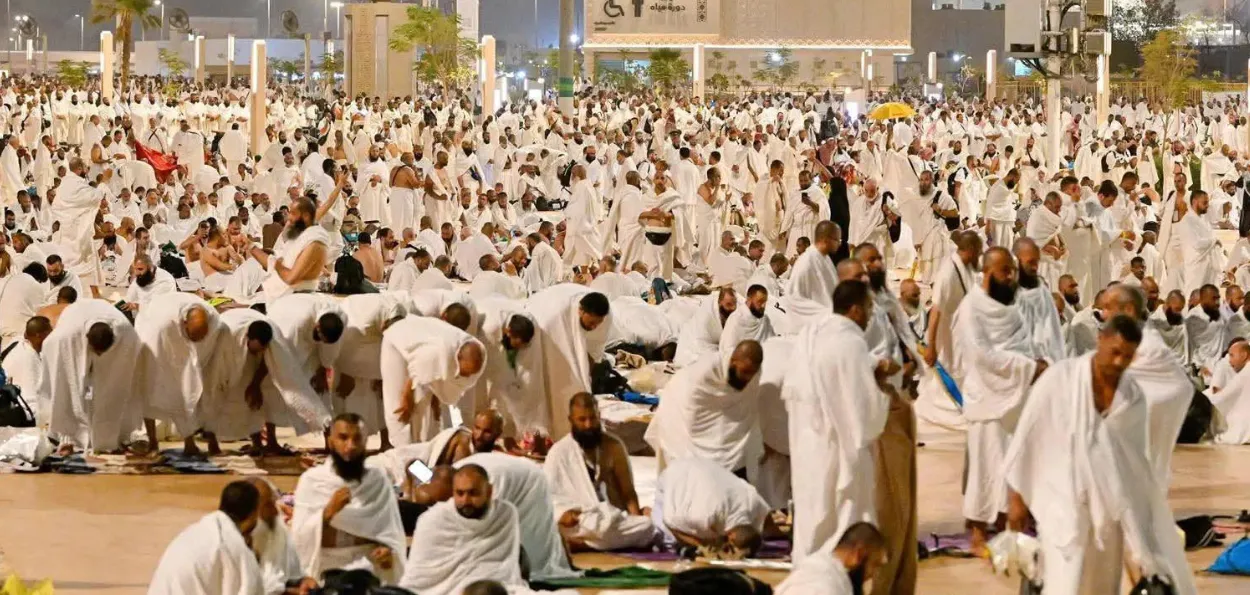
READ MORE: Hajj 2026: Faith moves 1.7 million Muslims through Islam's holiest pilgrimage
The discussions eventually led to the adoption of Article 48 in the Directive Principles of State Policy. The provision states:
“The State shall endeavour to organise agriculture and animal husbandry on modern and scientific lines and shall, in particular, take steps for preserving and improving the breeds, and prohibiting the slaughter, of cows and calves and other milch and draught cattle.”