New Delhi
On the occasion of Eid-ul-Adha, several prominent Islamic scholars and religious leaders across the country have appealed to Muslims to observe both religious responsibility and social sensitivity while performing the ritual of animal sacrifice.
The Ulema said that while Qurbani is a profound act of worship in Islam, it is equally important to respect the sentiments of other communities and abide by the laws of the land. They urged Muslims to strictly follow the guidelines issued by the authorities regarding the sacrifice.
The scholars noted that Islam permits various animals for Qurbani, including goats, sheep, rams, and buffaloes. They also advised people not to post photographs or videos of the sacrifice on social media or other public platforms.
 Speaking from the main campus of Jamia Markaz in Calicut, the Grand Mufti of India, Sheikh Abu Bakr Ahmed, urged Muslims to show sensitivity towards other communities during the festival.
He said the blessed festival conveys the message of sacrifice, selflessness, love, brotherhood, and service to humanity. The monumental sacrifice of Hazrat Ibrahim and Hazrat Ismail, he added, remains a shining example of patience and faith for all humanity.
He also advised Muslims not to upload pictures or videos of animal sacrifice on social media. Further cautioning against rumours and provocative content, he said even a minor lapse could provide mischief-makers an opportunity to disturb communal harmony.
The Grand Mufti stated that blood, animal remains, and offal should not be discarded on roads or in drains, but should instead be disposed of properly at designated sites.
He said Eid-ul-Adha teaches Muslims to sacrifice their most cherished possessions for the pleasure of Allah and should be used as an occasion to promote love, brotherhood, and humanity in society.
He also appealed to the administration to ensure adequate sanitation and an uninterrupted electricity supply during the festival.
Rehan Akhtar Qasmi, Assistant Professor at Aligarh Muslim University, said Muslims must not slaughter cows and should celebrate the festival in strict compliance with all laws and regulations, particularly those related to restricted animals.
He said certain vested interests were spreading misconceptions regarding cow slaughter and urged people not to be misled by such propaganda. He added that Muslims respect the reverence that the majority of Indians hold for the cow as a religious and cultural symbol.
Qasmi said Muslims should offer the sacrifice only of those animals permitted by the government and ensure that the entire process is conducted in accordance with official guidelines. He emphasised that respect for the law and preservation of social harmony are essential.
 Mufti Mukarram Ahmed, Imam of Delhi’s Fatehpuri Mosque, asserted that Muslims neither sacrifice cows nor support such acts. He said Muslims harbour no hostility towards cows and do not derive pleasure from cow slaughter.
He stated that Muslims have always respected the religious sentiments of other communities and that, since the country’s majority population regards the cow as sacred, Muslims also accord it due respect.
Mufti Mukarram Ahmed noted that Islam permits the sacrifice of several other animals, including goats, sheep, rams, and buffaloes, and therefore Muslims should limit themselves to animals permitted by the government.
He also referred to Prime Minister Narendra Modi criticising people who indulge in hooliganism in the name of cow protection, adding that Muslims would respect and comply with any law enacted by the government on the issue.
From Mumbai, renowned Islamic scholar Maulana Zaheer Abbas Rizvi urged people to exercise utmost caution and sensitivity during Eid-ul-Adha. He stressed that while respecting the sentiments of other communities, Muslims must also remember the Islamic teaching that cleanliness is “half of faith” (Nisf-ul-Iman).
He said special attention should be paid to hygiene and cleanliness in homes and surrounding areas during the festival, as cleanliness is one of the defining principles of Islam.
Maulana Zaheer Abbas Rizvi urged people to strictly adhere to government guidelines regarding animals and avoid sacrificing restricted animals. He emphasised that Muslims should win hearts through exemplary conduct and good behaviour.
He further said that people must understand the true philosophy and spirit behind sacrifice and should not reduce it to an act of display or ostentation. The essence of Qurbani, he said, lies in devotion and submission to Allah, and no action should be taken that harms the image of Islam or its teachings.
He said no person should face inconvenience because of the presence of animals or the behaviour of others. He further advised people to choose only those animals that are permitted under both Sharia and the law, rather than insisting on any specific type of animal.
Mufti Manzoor Ziyai affirmed that complying with government directives is a collective responsibility, as maintaining peace, harmony, and law and order within the country is the duty of every citizen. He noted that the true objective of sacrifice is to seek the pleasure of Allah, not to engage in ostentation or to hurt anyone's sentiments.
He advised people against venturing out into the streets and markets with blood-stained clothes or knives after the sacrifice; instead, they should prioritize cleanliness, and good behaviour for giving a positive message of Islam.
 Maulana Khalid Rashid Firangi Mahali, member of the All India Muslim Personal Law Board and Chairman of the Islamic Centre of India, has issued a 12-point advisory for Muslims on the occasion of Eid-ul-Adha, asking them to celebrate the festival in peace and harmony.
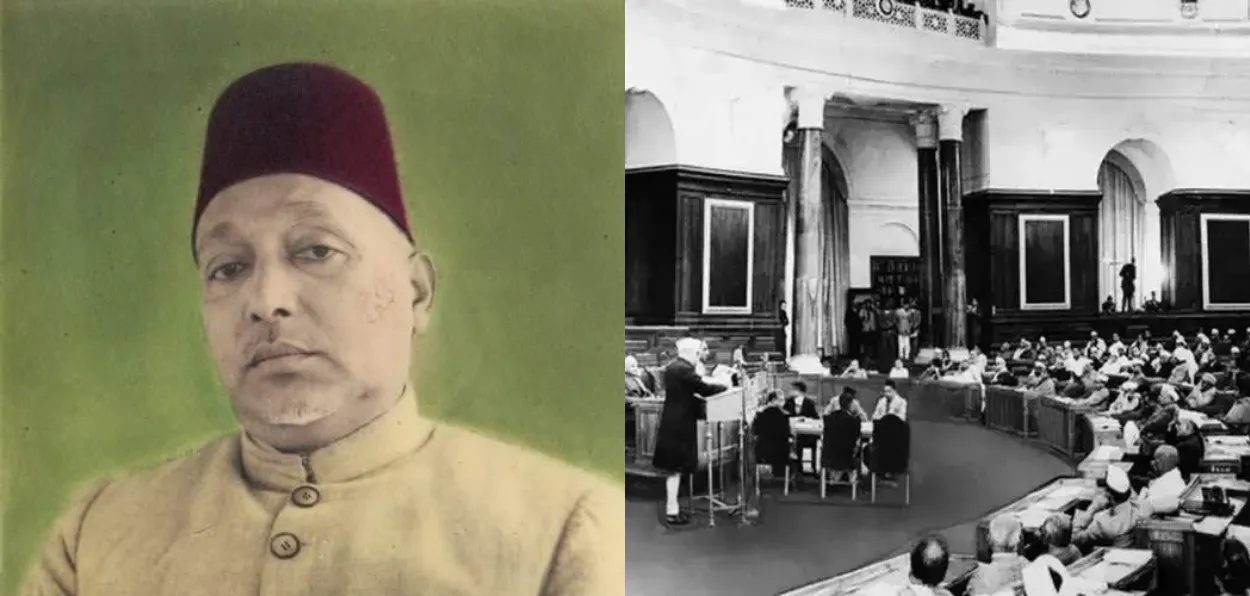
He recalled that the Ulema (scholars) of Firangi Mahal had issued a fatwa against the slaughter of cows as early as 1920.
Maulana Khalid Rashid Firangi Mahali further directed that Eid prayers should not be offered in public spaces; instead, the prayers be held inside Eidgah and mosques. He emphasised that full attention must be paid to sanitation, public health, and environmental regulations during the sacrificial rituals.
READ MORE: Hajj 2026: Faith moves 1.7 million Muslims through Islam's holiest pilgrimage
He asked the Muslims to offer prayers for the safety, progress, and prosperity of the nation. Besides, the devout must also pray for respite from heatwave and economic challenges.