Eman Sakina
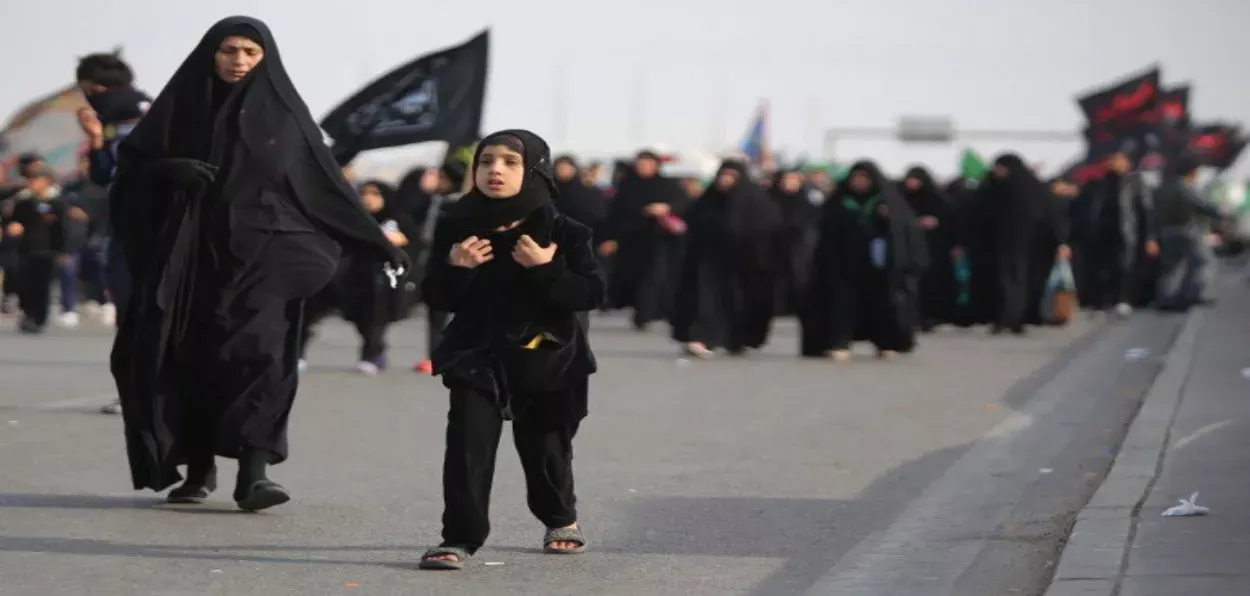
Every year, as millions of pilgrims walk toward Karbala to commemorate Arbaeen, one image quietly stands out amid the sea of humanity—the countless women who walk, serve, comfort, and preserve the spirit of Imam Hussain's sacrifice. Their presence is not merely symbolic. It is a continuation of a legacy that began on the burning sands of Karbala over 13 centuries ago.
Friday Musings
The tragedy of Karbala did not end with the martyrdom of Imam Hussain. In many ways, its message survived because of the courage of the women who remained. At the forefront stood Lady Zainab, the granddaughter of the Prophet Muhammad whose strength transformed unimaginable grief into an enduring call for justice.
After witnessing the loss of her brothers, sons, and loved ones, she refused to let tyranny write the final chapter. Her sermons in Kufa and the court of Yazid exposed oppression and ensured that the truth of Karbala would echo through generations.
Lady Zainab's role teaches us that history is not preserved only by those who fight on the battlefield. Sometimes, the greatest struggle is to stand firm after the battle has ended.
Her patience was not silence, and her resilience was not weakness. She carried the burden of Karbala with dignity, becoming the voice of those who could no longer speak.
That same spirit can be seen today during Arbaeen.
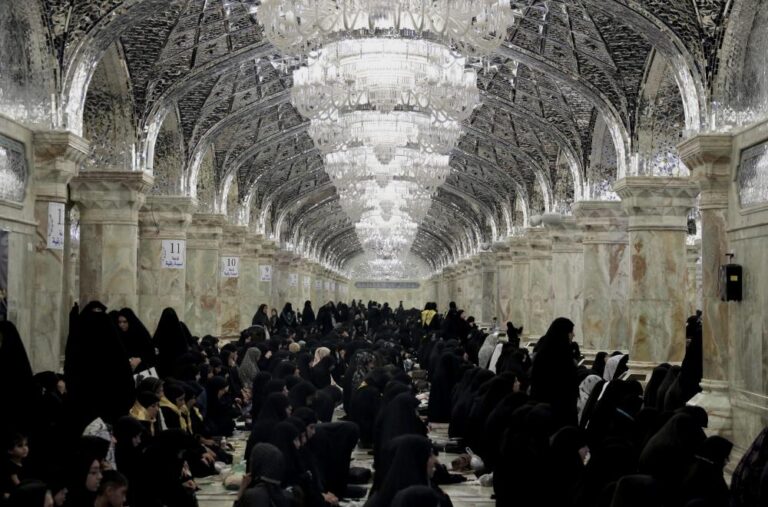 Women inside the Holy shrine of Imam Ali
Among the pilgrims are elderly women walking with walking sticks, young mothers carrying infants, students travelling from distant countries, widows praying in silence, and daughters fulfilling lifelong vows made by their parents.
Many endure blistered feet, sleepless nights, scorching heat, and physical exhaustion. Yet few complain. Their determination reflects a profound love that cannot be measured by comfort or convenience.
For many women, the Arbaeen walk becomes an act of gratitude, remembrance, repentance, and hope. Some pray for healing. Others seek forgiveness. Many simply wish to express their loyalty to the family of the Prophet.
Each step becomes a declaration that the message of justice, truth, and sacrifice still matters. Not every woman walks the entire route. Thousands dedicate themselves to serving those who do.
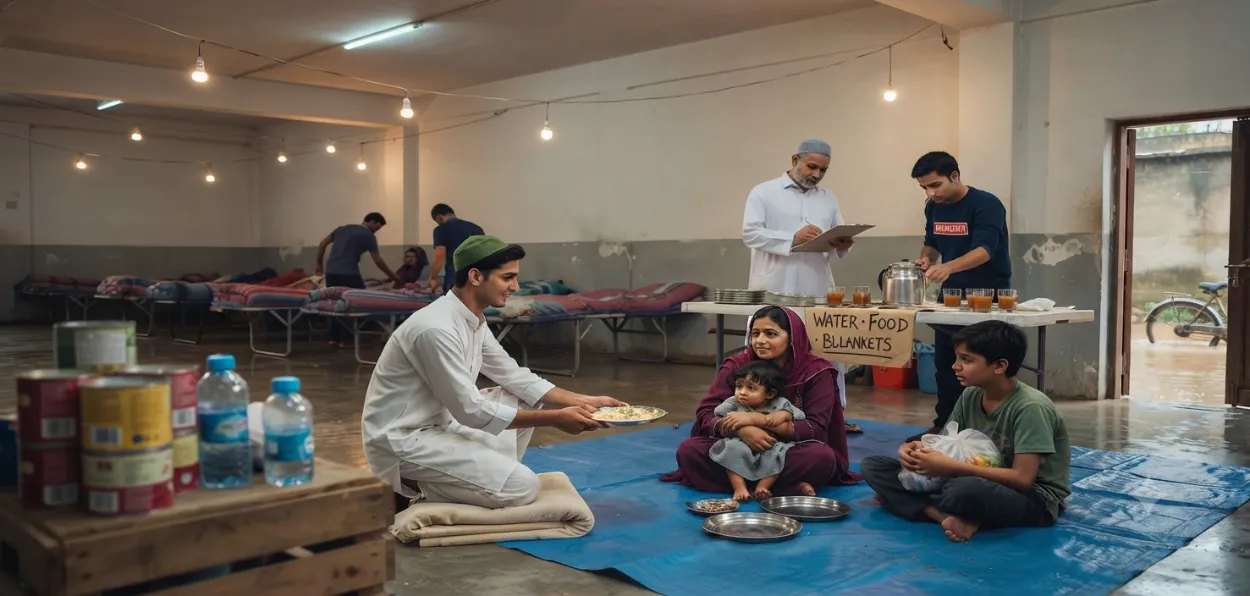
Across Iraq, homes become guesthouses. Kitchens remain active around the clock. Women prepare enormous quantities of rice, bread, soup, tea, and traditional meals for strangers without expecting payment or recognition.
This tradition of mawakib (service stations) is one of the defining features of Arbaeen.
Behind every tray of food is someone who spent hours cooking. Behind every clean resting place is someone who quietly swept the floors. Behind every comforting smile offered to a tired pilgrim is a volunteer whose own feet are equally weary. Women wash clothes for travellers, distribute water, organise sleeping areas, care for children, assist elderly visitors, and help female pilgrims navigate the long journey safely and comfortably.
In a world where speed and competition take away peace from humans, Arbaeen shows another style of life; a life based on kindness, sacrifice, movement, simplicity, and respect for human beings.#Arbaeen_walk
— 🚩🚩رعنا مهدوی 🟩☫🟥| Рана Махдави (@rana_mahdavi) July 29, 2026
#Arbaeen#Arbaeen2026#WhatIsArbaeenhttps://t.co/4zDDD4K1hu pic.twitter.com/fkNGL0NMOY
Their work rarely appears in headlines. Yet without them, the pilgrimage could not function as it does. They remind us that serving humanity is among the highest forms of worship. Many women describe Arbaeen as an opportunity to reconnect with Lady Zainab (SA), not merely through mourning but through imitation.
She was patient without surrendering her principles. She was compassionate without becoming passive. She grieved without losing hope.
These qualities continue to inspire women facing the challenges of modern life. Whether balancing careers, raising children, caring for ageing parents, pursuing education, or serving their communities, many Muslim women see in Lady Zainab a model of unwavering faith under immense pressure.
Her legacy reminds believers that strength is not always loud. Sometimes strength is continuing despite heartbreak. Sometimes strength is speaking truth when remaining silent would be easier.
Sometimes strength is carrying responsibilities that no one else sees.
Countless mothers bring their children on the pilgrimage despite the physical difficulty. They want them to experience Karbala rather than merely read about it.
Millions are now walking from Najaf to Karbala for the world's largest annual gathering, commemorating Imam Hussain (as) and his legacy of justice, sacrifice, and compassion. Along the journey, volunteers freely provide food, water, shelter, and care, making the Arbaeen Walk a… pic.twitter.com/xVh7nD18J5
— Shia Visuals (@ShiaVisuals) July 29, 2026
Children witness generosity unlike anything found elsewhere.
They see strangers offering food without charge. They observe volunteers cleaning roads for people they have never met. They learn that honour lies in serving others rather than being served. These experiences often leave lifelong impressions. Long after the journey ends, the lessons remain.
The story of Karbala continues because each generation passes it to the next—not only through books and lectures but through lived experience.
Women play an indispensable role in that transmission. As millions complete the Arbaeen pilgrimage each year, it is worth remembering that the road to Karbala is not sustained only by those who walk it. It is sustained by those who serve, nurture, teach, and preserve its message.
The women of Arbaeen are heirs to Lady Zainab's extraordinary legacy. Their quiet sacrifices, steadfast faith, and tireless service ensure that the story of Imam Hussain continues to illuminate hearts across the world.
READ MORE: Nigar Sultana: A pioneer Muslim woman lawyer in Jaipur
History often celebrates those who fought with swords. Arbaeen reminds us to honour those who fought with patience, dignity, compassion, and unwavering faith. The footsteps of millions may lead to Karbala. But it is the courage of women—beginning with Lady Zainab and continuing through every mother, volunteer, pilgrim, and servant today—that carries Karbala into the future.