Raipur
The Khelo India Tribal Games 2026 will begin on March 25, with events scheduled across three key cities—Raipur, Jagdalpur and Surguja—showcasing the rich cultural and sporting traditions of the state’s tribal regions.
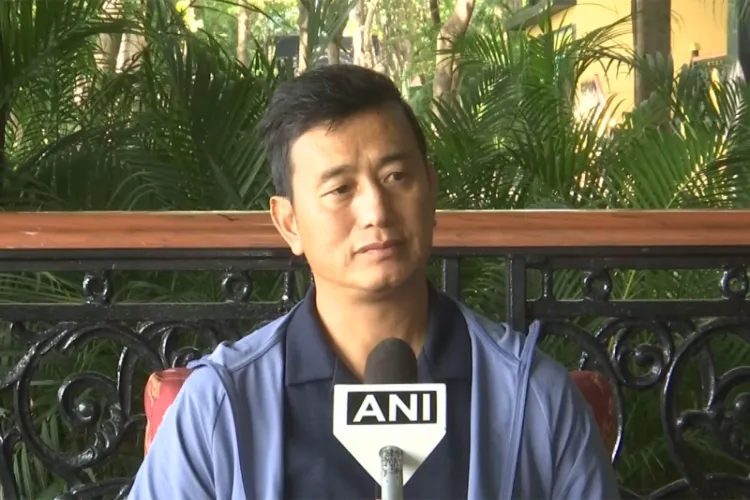
The Games, which will run until April 3, are expected to bring together over 2,300 athletes and around 3,700 participants. Former India football captain Bhaichung Bhutia highlighted the importance of the initiative, saying it plays a crucial role in identifying and nurturing talent from tribal communities.
Bhutia noted that many sportspersons from tribal backgrounds, particularly in the North-East, have excelled due to their natural sporting abilities. He added that such platforms not only encourage participation but also open up career opportunities for young athletes, especially in states like Chhattisgarh with a significant tribal population.
With more than 32 per cent of its population belonging to tribal communities, Chhattisgarh provides a fitting backdrop for the Games. From the plains of Raipur to the tribal belt of Bastar and the highlands of Ambikapur, sports remain deeply embedded in daily life, shaped by tradition and community values.
The event will feature competitions across multiple disciplines, including archery, athletics, football, hockey, swimming, weightlifting, wrestling, Mallakhamb and kabaddi. Matches and events will be held at venues such as the Sardar Vallabhbhai Patel International Hockey Stadium and facilities within Pt Ravishankar Shukla University in Raipur, as well as locations in Jagdalpur and Surguja.
In addition to competitive events, traditional sports like Mallakhamb and kabaddi will also be showcased to highlight India’s indigenous sporting heritage on a national platform.
The Games’ mascot, ‘Morveer’, reflects the cultural identity of Chhattisgarh—‘Mor’ meaning ‘our’ and ‘Veer’ symbolising bravery—capturing the pride and spirit of tribal communities.
READ MORE: Sarah Rizvi: The first Muslim woman IPS officer of Gujarat cadre
For many athletes, the Khelo India Tribal Games represent a major opportunity to gain exposure and recognition. By providing structured competition and pathways for advancement, the initiative aims to bridge long-standing gaps and ensure that talent, regardless of background, finds its place at the highest levels of sport.