
Onika Maheshwari/New Delhi
Rising infertility among young couples has become a growing public health concern in India. Lifestyle changes, stress, pollution and delayed parenthood are increasingly affecting reproductive health. Yet, experts say that most infertility cases can be managed successfully with timely diagnosis, lifestyle changes and appropriate medical intervention.
In this interview, Delhi-based gynaecologist and IVF specialist Dr Shahida Nagma speaks to Onika Maheshwari about the causes of infertility, common misconceptions about IVF, preventive measures, and why emotional support is as important as medical treatment.
Dr Nagma has over a decade of clinical experience and has helped many women achieve motherhood through assisted reproductive technologies. She believes in evidence-based treatment and personalised fertility care for every patient.
Tell us about yourself and your fertility centre.
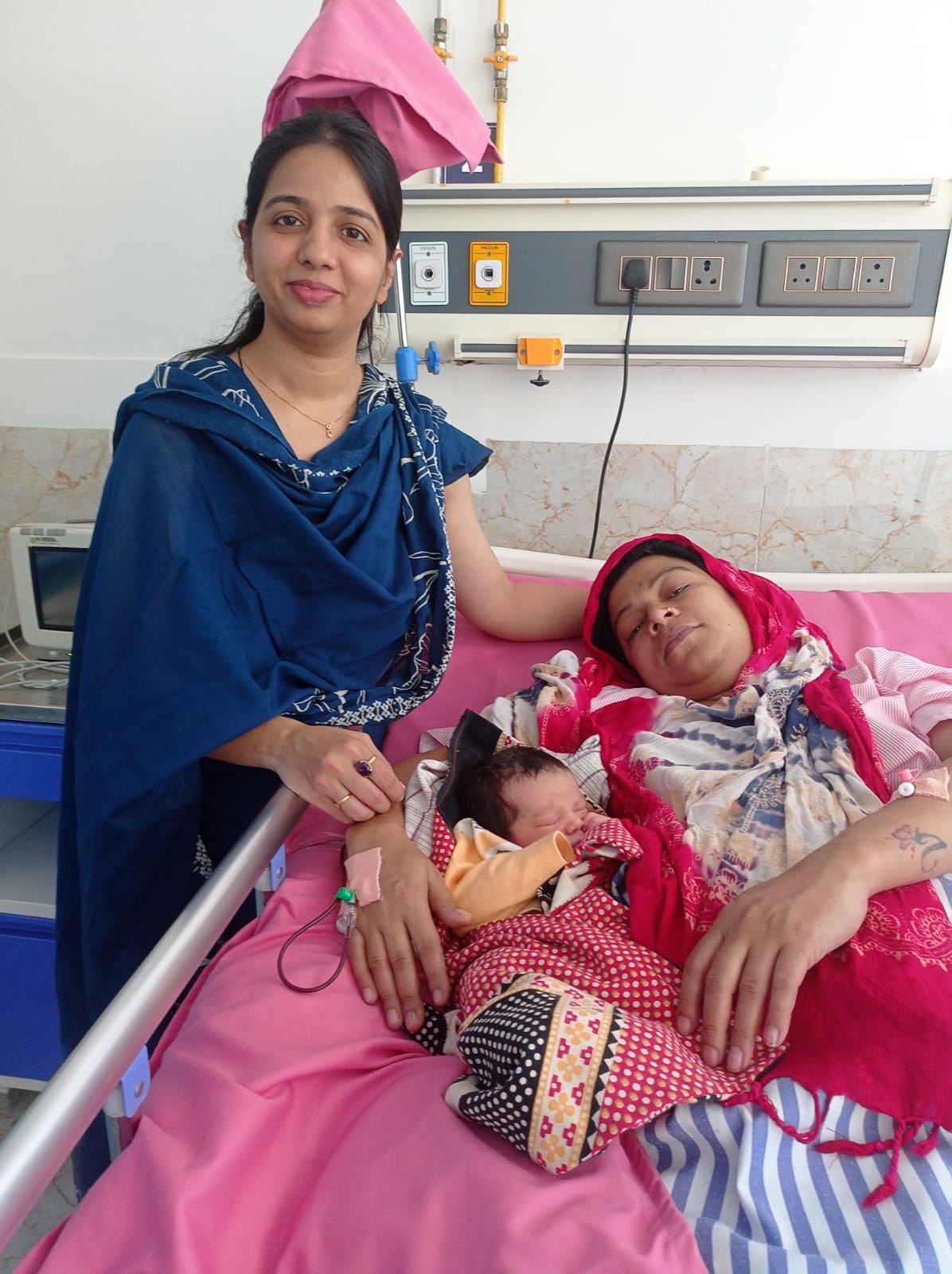
IVF Expert Dr Shahida Nagma with a mnother who delivered after an IVF
I am a gynaecologist and IVF specialist. A few months ago, we launched Radiance Lifeline & Fertility Clinic. The idea behind establishing the centre came from repeated requests by women in our area who struggled to find qualified gynaecologists with MBBS or postgraduate qualifications. Many had to travel to other cities for specialised treatment.
Initially, we planned to focus exclusively on fertility services. However, we soon realised that women also needed quality care for general gynaecological problems, pregnancy, normal deliveries, infections and other reproductive health issues. Today, our clinic offers comprehensive healthcare for women under one roof.
Why are infertility cases increasing so rapidly?
Infertility is certainly becoming more common, and what is particularly worrying is that we are now seeing women as young as 21 or 22 facing fertility issues.
There are several contributing factors. Pollution in our air, water and food, along with increasing food adulteration and exposure to chemicals, affects the quality and quantity of women's eggs as well as men's sperm.
Urban lifestyles also play a major role. People move to cities for education and employment, but demanding work schedules leave little time to care for their health. Lack of exercise, poor nutrition, and inadequate intake of protein, vitamins and minerals, chronic stress and irregular routines all affect fertility.
In addition, processed foods have increasingly replaced fresh, home-cooked meals. Long commutes, excessive screen time, sleep deprivation, smoking and alcohol consumption have become common. While these habits were once seen largely among men, they are now increasingly prevalent among women as well, further impacting fertility.
When a couple consults you, what is your first advice?
These days, many couples seek fertility counselling even before marriage. They want to know whether there are any medical issues that could affect future pregnancy. We begin with a detailed medical evaluation and basic investigations, including haemoglobin, Vitamin B12, Vitamin D3, thyroid function, prolactin levels, hormone profile (E2, LH and FSH) and viral marker tests.
 IVF Expert Dr Shahida Nagma
For women, we also assess ovarian reserve through an Antral Follicle Count (AFC) by ultrasound, usually on the second or third day of the menstrual cycle, or through the Anti-Müllerian Hormone (AMH) test. These tests help estimate the number of eggs available for future pregnancy.
For men, semen analysis is performed to evaluate sperm count, motility and morphology.
What exactly is IVF? Can you explain it in simple terms?
IVF stands for In Vitro Fertilisation. In simple words, a woman's egg and a man's sperm are brought together in a laboratory to create an embryo outside the body. The embryo is allowed to develop for about five days until it reaches the blastocyst stage. It is then transferred into the woman's uterus.
IVF was originally developed for women, whose fallopian tubes were blocked, preventing the egg and sperm from meeting naturally. Today, however, IVF is used to treat a wide range of fertility problems, including low sperm count, erectile dysfunction, blocked fallopian tubes, polycystic ovary syndrome (PCOS), ovulation disorders and poor egg development.
Does every infertile couple need IVF?
No. IVF is not necessary in every case.
A proper medical history and thorough evaluation are essential before recommending any treatment. Around 80 per cent of couples conceive naturally within the first year of marriage, while many others conceive during the second year.
Only a small percentage—roughly 10 per cent—require advanced treatments such as IUI or IVF. In many cases, educating couples about ovulation, the fertile window and the timing of intercourse significantly improves their chances of natural conception. IVF is recommended only when there are clear medical indications, such as blocked fallopian tubes or other serious fertility issues.
What treatments are usually tried before IVF?
The first goal is always natural conception. If that does not happen, medications may be prescribed to stimulate ovulation while monitoring follicle development.
If required, Intrauterine Insemination (IUI) is performed. In this procedure, the husband's semen is processed in the laboratory, and the healthiest, most active sperm are placed directly into the uterus at the time of ovulation, increasing the chances of fertilisation.
IVF is considered only if these less invasive methods do not succeed.
What are some common misconceptions about IVF?
There are many myths surrounding IVF.
One common misconception is that the eggs or sperm always come from donors. Another is that IVF guarantees the birth of a male child. Some people also believe IVF always results in twins, triplets or multiple pregnancies.
Before beginning treatment, we spend considerable time counselling patients and clearing these misconceptions so they can proceed with confidence and realistic expectations.
What is the success rate of IVF?
Success rates depend on several factors, including the patient's age, medical condition and the quality of the IVF laboratory.
Even among the best centres, the average success rate generally ranges between 45 and 55 per cent. Patients should be cautious of clinics that promise 100 per cent success because no ethical fertility centre can guarantee pregnancy. It is always advisable to ask a clinic about its actual success rates and treatment outcomes.
What should patients keep in mind during IVF treatment?
Emotional support is extremely important. Husbands and wives should support each other throughout the treatment journey.
Patients should take their medicines exactly as prescribed, stay well hydrated, maintain a nutritious diet and follow a healthy lifestyle. Good physical and mental health can significantly improve the chances of a successful outcome.
What precautions should women take to preserve their fertility?
Women should adopt a healthy lifestyle from an early age. This includes getting seven to eight hours of sleep every night, managing stress, maintaining a healthy weight, exercising regularly, eating a balanced diet rich in protein, healthy fats and dry fruits, and avoiding smoking and alcohol.These simple lifestyle choices go a long way in protecting reproductive health.
What inspired you to become a doctor?
My greatest inspiration was my maternal grandfather, who was a paediatrician in the United Kingdom.
ALSO READ: Dr. Sushil Razdan: The healer who united Kashmir
Whenever he visited India, I would spend hours listening to his experiences and asking him questions about medicine and his journey as a doctor. Those conversations left a deep impression on me. They inspired me to pursue medicine and dedicate my career to helping women build healthy families.
See the Full Interview:


_(1).jpg "Visitors gather at the Santosh Mitra Square Durga Puja pandal, themed on the 150th anniversary of Vande Mataram and its historic role in India's freedom movement, ahead of the festival, in Kolkata")

.jpg "Gujarat’s women entrepreneurs bring their craftsmanship to life during Navratri")











_(2).webp)