.webp "Former Bangladesh Prime Minister Sheikh Hasina")
New Delhi
Former Bangladesh Prime Minister Sheikh Hasina has launched a sharp attack on the country’s interim administration led by Chief Adviser Muhammad Yunus, asserting that an unelected government has no authority to reshape Bangladesh’s foreign policy and warning that such actions could have lasting consequences.
Speaking in an email interview with ANI amid unrest in Bangladesh following the death of a prominent youth movement leader linked to her removal, Hasina said decisions taken by an interim setup lack democratic legitimacy. She maintained that once Bangladeshis are able to vote freely again, the country’s foreign policy would return to serving national interests rather than what she described as the ideological agenda of extremist elements. Emphasising the importance of India-Bangladesh ties, she said the relationship is fundamental and will outlast the current interim arrangement.
Hasina strongly criticised the verdict delivered by the International Crimes Tribunal (ICT), calling it a politically driven exercise rather than a genuine judicial process. She alleged that she was denied a fair opportunity to defend herself and claimed the tribunal was used to target the Awami League. Rejecting suggestions that the verdict reflected a breakdown of institutional trust, she said Bangladesh’s constitutional foundations remain strong and that justice would prevail once judicial independence is restored.
Questioning the credibility of the general elections scheduled for February, Hasina said a poll held without the Awami League — which is currently banned — would be meaningless. She accused Yunus of governing without an electoral mandate and attempting to bar a party that has repeatedly won popular support. Warning of large-scale disenfranchisement, she said elections under such conditions would lack moral legitimacy.
Describing the current situation as a missed opportunity, Hasina called for genuine national reconciliation and said her commitment to Bangladesh’s safety and stability has remained constant. Responding to calls for her extradition following the ICT ruling, she dismissed them as politically motivated, saying she had left the country to prevent bloodshed, not to evade justice. She reiterated her willingness to face an independent international court and said she would return once Bangladesh has a legitimate government and an autonomous judiciary.
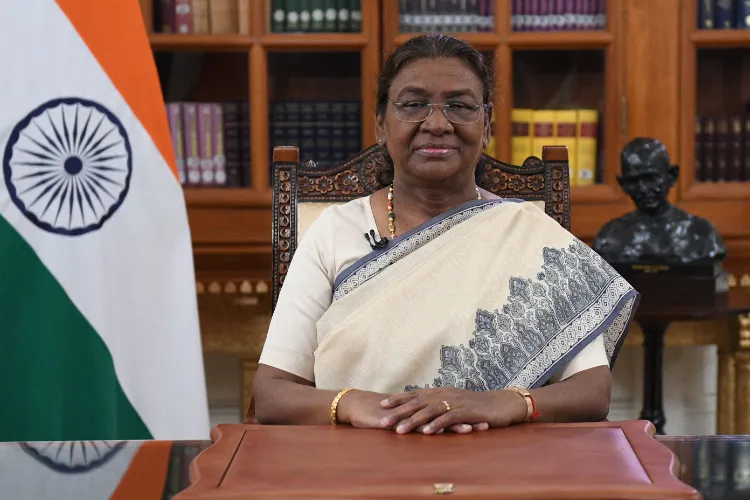
On tensions with India, including Dhaka summoning the Indian envoy, Hasina blamed the interim government, accusing it of making hostile remarks, failing to protect minorities and allowing extremists to influence foreign policy. She thanked India for its continued support and hospitality, expressing confidence that bilateral ties would normalise once democratic governance is restored.
Hasina also voiced concern over rising anti-India sentiment and security threats to Indian diplomatic personnel, attributing them to emboldened extremist groups. She said attacks on diplomatic missions, media outlets and minorities reflected growing lawlessness in the country.
Raising alarm over increasing Islamist influence, Hasina alleged that extremists were being accommodated within the government and warned that radical elements were exploiting the situation to reshape state institutions. She said such developments should concern not only India but all countries invested in regional stability.
READ MORE: Young bride Mrs Yasim taught me differences can be celebrated
She also criticised rhetoric by some leaders referring to the Siliguri Corridor, calling it reckless and unrepresentative of the Bangladeshi people. On Bangladesh’s outreach to Pakistan, Hasina said while Dhaka traditionally follows a policy of friendship with all, the interim government’s approach appeared driven by desperation after straining ties with long-standing partners, and did not serve Bangladesh’s national interest.










.webp "MEA spokesperson Randhir Jaiswal")
.webp "Representational Image")
.webp "US President Donald Trump")