.webp "Mojtaba Khamenei Supreme Leader of Iran and US President Donald Trump")
Tehran
Iran has rejected a US-backed proposal aimed at ending the ongoing conflict, asserting that any cessation of hostilities will occur strictly on its “own terms and timeline,” according to a senior political-security official speaking to state broadcaster Press TV.
The official emphasized that Tehran remains committed to continuing its military campaign until its demands are met. “Iran says it will end the war when it decides to do so,” the official stated, adding that Iranian forces would continue to inflict “heavy blows” on their adversaries.
According to the statement, Washington has been attempting to push negotiations through multiple diplomatic channels, including intermediaries in the region. However, Iran has dismissed the latest proposal as “excessive” and disconnected from what it perceives as US setbacks on the battlefield. Tehran has characterized the overture as a tactic to escalate tensions rather than resolve the conflict.
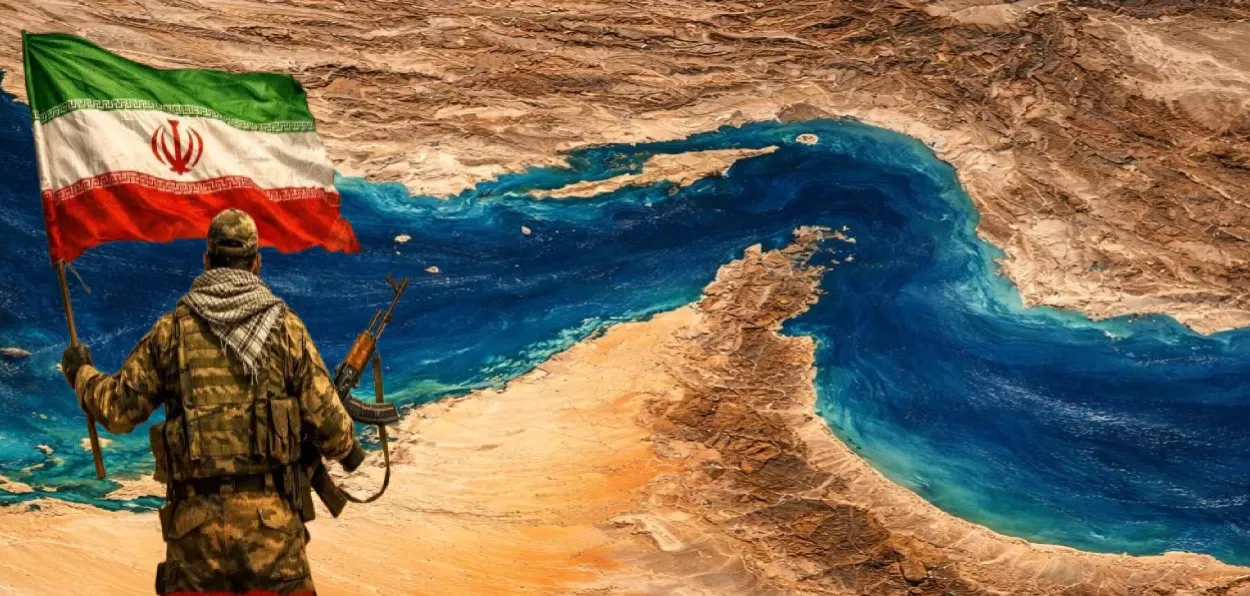
Iran has outlined five key conditions under which it would consider ending the war. These include a complete halt to what it calls aggression and targeted killings, guarantees to prevent future conflict, payment of war damages and reparations, and a comprehensive end to hostilities across all fronts involving allied groups in the region. Another major demand is international recognition of Iran’s sovereign authority over the strategically vital Strait of Hormuz.
The official also made it clear that no negotiations would take place unless these conditions are addressed, reiterating that Iran’s military operations would continue in the meantime. In a pointed remark, the official added that the war would not end based on the vision of former US President Donald Trump.
The urgency of the situation is heightened by ongoing military activity in the region. Joint operations by the US and Israel have reportedly targeted Iranian missile systems and critical infrastructure since the conflict escalated. Despite sustained strikes, Tehran has continued its offensive, launching missiles toward Israel and nearby Gulf countries.
Beyond military developments, the conflict has also disrupted global energy markets. The continued closure of the Strait of Hormuz—a crucial route for international oil shipments—has contributed to supply constraints and rising global prices.
Reports suggest that the US proposal included a temporary ceasefire of one month to facilitate negotiations, along with demands for Iran to dismantle key aspects of its nuclear programme. These reportedly include halting uranium enrichment, transferring enriched uranium stockpiles to the International Atomic Energy Agency, and dismantling major nuclear facilities at Natanz, Isfahan, and Fordo. The proposal also calls for Iran to scale back its missile capabilities and withdraw support for regional allied groups.
In return, Washington is said to have offered significant incentives, including the lifting of sanctions and support for Iran’s civilian nuclear energy programme, particularly at the Bushehr plant.
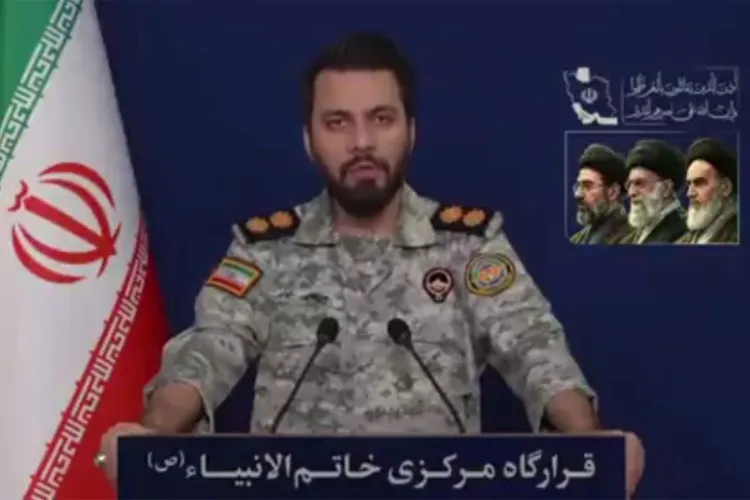
However, Iranian officials have reacted sharply. Lt Col Ebrahim Zolfaghari, spokesperson for the Khatam al-Anbiya Central Headquarters, dismissed the US approach, suggesting that Washington was “negotiating with itself” and attempting to mask its failures.
READ MORE: AdvocateTuba Snowbar is unapologetic, unstoppable
With both sides maintaining firm positions and setting far-reaching conditions, prospects for a near-term resolution appear uncertain. The standoff continues to raise concerns not only about regional stability but also about its broader impact on global energy supplies and international security.
.gif)