Washington, DC (US)
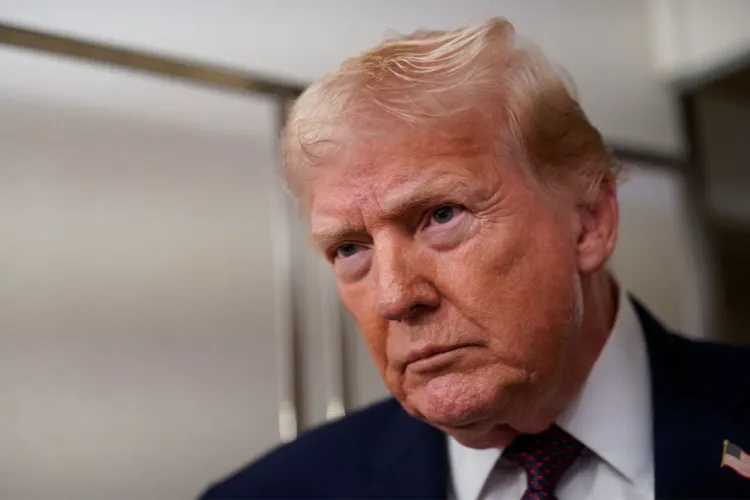
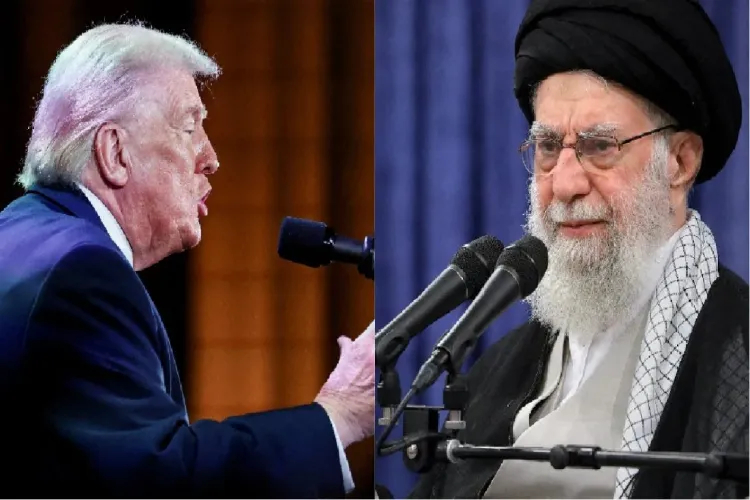
Reaffirming his hardline stance towards Tehran, United States President Donald Trump issued a stern warning regarding the "consequences of not making a deal" ahead of critical diplomatic negotiations scheduled to take place in Geneva.
Speaking to reporters on Monday, the President confirmed his participation in the high-stakes summit, noting that he would engage in the process "indirectly."
Trump described the upcoming discussions as "very important," acknowledging that while Iran is a "tough negotiator," he believes its leadership has proven to be "bad negotiators, as we could have had a deal instead of sending out B-2s to knock out their nuclear potential."
The President's remarks come in the wake of significant military action, which he credited with shifting the geopolitical landscape and forcing a return to diplomacy.
Trump expressed hope that the Iranian leadership would be "more reasonable" moving forward, asserting that the nation's economic and political pressures are driving it back to the table. "They want to make a deal. We have peace in the Middle East," he stated.
Addressing the current stability in the region, Trump admitted there might be localised friction but maintained that the overarching objective of regional security had been met through military force.
"You will see some flames here and there, but we essentially have peace in the Middle East. That happened because we did a B-2 attack on the nuclear potential," the President said.
Trump further justified this recent military intervention, known as Operation Midnight Hammer, during which US forces targeted three primary nuclear facilities in Fordow, Natanz, and Isfahan.
He insisted that without the operation, Tehran "would have had a nuclear weapon within one month," stating that, "If that happened, it would have been a whole different deal."
This escalation follows the collapse of previous diplomatic efforts.
Although Iran and the United States held rounds of nuclear talks in April 2025 in Muscat, Oman, and Rome, Italy, the situation shifted drastically on June 21-22, 2025.
Under "Operation Midnight Hammer," the United States conducted strikes against Iranian nuclear infrastructure, targeting the three key sites in Fordow, Natanz, and Isfahan.
Iran strongly condemned the operations at the time, denouncing them as a blatant violation of international law and the UN Charter.
READ MORE: Brotherhood is necessary for growth: Grand Mufti to PM Modi
Now, despite that military confrontation, the two nations are expected to return to the bargaining table to hold the next round of talks over the nuclear deal on Tuesday (local time) in Geneva, Switzerland, CNN reported.
According to CNN, US special envoys Steve Witkoff and Jared Kushner are expected to attend the meetings to represent American interests in this latest diplomatic push.







.webp "Prime Minister Narendra Modi with French President Emmanuel Macron")

.webp)
.webp)
.webp)