Omdurman
For three years of war in Sudan, orthopedic surgeon Dr Jamal Eltaeb faced impossible choices each day — who could be saved, whether to operate without proper medicines, and how to keep generators running when fuel ran low. Yet one decision remained constant: he would stay and keep working.
Dr Eltaeb led Al Nao Hospital in Omdurman, near the capital Khartoum, as fierce fighting raged between the Sudanese army and the paramilitary Rapid Support Forces. As front lines shifted and casualties surged, many staff members fled. Eltaeb was among the few surgeons who remained, even after repeated attacks on the hospital and severe shortages of medical supplies.
He said he chose caring for patients over personal safety, describing the responsibility of being a skilled surgeon in a collapsing health system. According to the United Nations, nearly 40 per cent of Sudan’s hospitals are no longer functioning, with many damaged, looted or occupied by armed groups.
During the worst months of the conflict, surgeries were performed wherever possible — in tents, outside buildings and even on hospital floors. Before the war, Al Nao was a relatively quiet facility with around 100 beds, but after fighting began in April 2023, it became a lifeline for civilians. When Eltaeb’s own hospital shut down, he moved to Al Nao, and by July much of the staff had already left.
The hospital struggled with blackouts, relying on army-supplied generator fuel, while antibiotics and painkillers often ran out. In August 2023, the hospital was hit for the first time. Eltaeb said from then on staff believed they had become a target, with the RSF later striking the hospital three more times.
Some of the hardest moments came during mass-casualty emergencies. After a strike on a nearby market in late 2024, more than 100 wounded people were brought in. Eight died. Eltaeb said triage felt like deciding who would live and who would die. In one case, he had to amputate limbs of injured children using only local anaesthetic because they were bleeding heavily and there was no time or means to move them to an operating theatre.
The hospital survived largely through volunteers. Residents used social media to share urgent needs, while pharmacists handed over keys to shuttered stores so medicines could be taken free for patients. Volunteer Nazar Mohamed spent months cycling through Omdurman delivering supplies while shelling continued nearby. Sudanese doctors abroad also provided remote medical advice. Staff improvised by making beds and crutches from wood and using clothes in place of gauze.
For his work, Eltaeb received the Aurora Prize for Awakening Humanity, which carries a USD 1 million award. He donated part of the money to medical and humanitarian groups worldwide.
Although fighting has moved away from the Khartoum area, new problems remain. Some aid groups have shifted assistance elsewhere, and Eltaeb said the hospital has funds only until June to pay salaries and run generators. He estimated around USD 40,000 per month is needed to keep operations going.
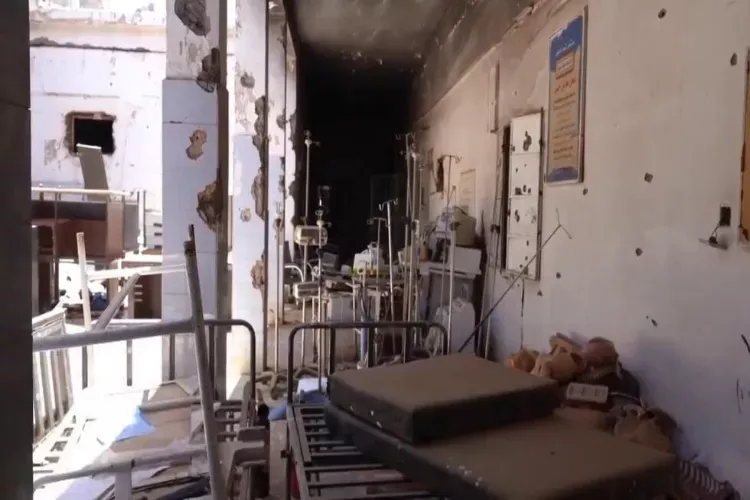
Elsewhere in Omdurman, damaged hospitals such as Al Shaabi Hospital remain in ruins after occupation and destruction during the war. Still, medical workers hope to reopen services.
READ MORE: Yana Mir: Kashmir's lone journalist to challenge Pakistan's narrative
Reflecting on the years of conflict, Eltaeb said simply that he believed he had done his best as a doctor and as a Sudanese citizen.