





Tehran
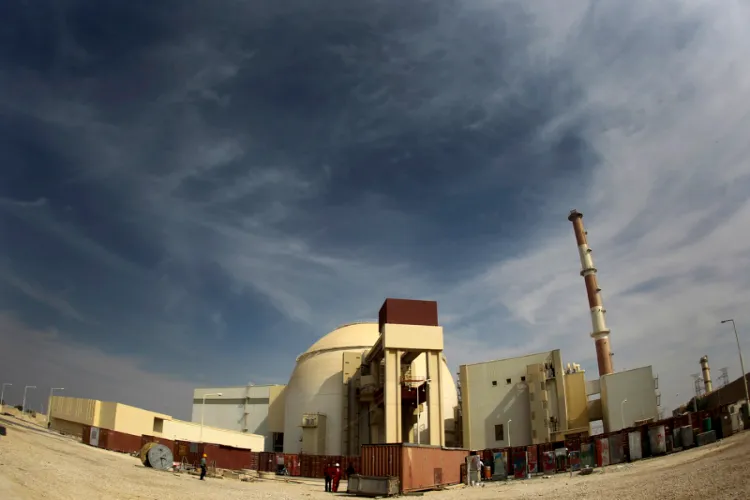
Seyed Abbas Araghchi on Saturday criticised what he described as Western double standards following repeated strikes near Iran’s Bushehr Nuclear Power Plant, warning of serious regional consequences.
In a statement shared on social media, Araghchi drew parallels with global reactions to military activity around the Zaporizhzhia Nuclear Power Plant during the Russia-Ukraine conflict. He argued that similar incidents in Iran have not elicited the same level of international concern.
He cautioned that any radioactive fallout resulting from such attacks could have far-reaching implications, particularly for countries in the Gulf Cooperation Council (GCC), given the plant’s proximity to the Persian Gulf.
According to Iranian media reports, a projectile struck an area near the facility earlier in the day, resulting in the death of a security personnel member. While an auxiliary structure sustained damage, authorities indicated that the core operations of the plant remain unaffected.
Located along Iran’s southern coast, the Bushehr facility is the country’s first commercial nuclear power station and plays a key role in its energy infrastructure.
The Iranian Foreign Minister also referred to recent airstrikes targeting petrochemical facilities in the southwestern province of Khuzestan, which reportedly caused injuries and raised concerns about broader strategic objectives behind the attacks.
In a separate statement, Araghchi called for an immediate end to what he termed an “imposed” conflict and reiterated Iran’s willingness to engage in dialogue, provided it leads to a durable and comprehensive resolution.
He also acknowledged diplomatic outreach efforts by Pakistan, while emphasising that any negotiations must ensure a lasting end to hostilities.
READ MORE: Two-time World Champ Nikhat Zareen's story begins with smashing stereotypes
The developments come amid escalating tensions in West Asia, with growing fears over the potential impact on regional security and energy stability.













.webp)

.webp)


_(1).webp)