Beirut
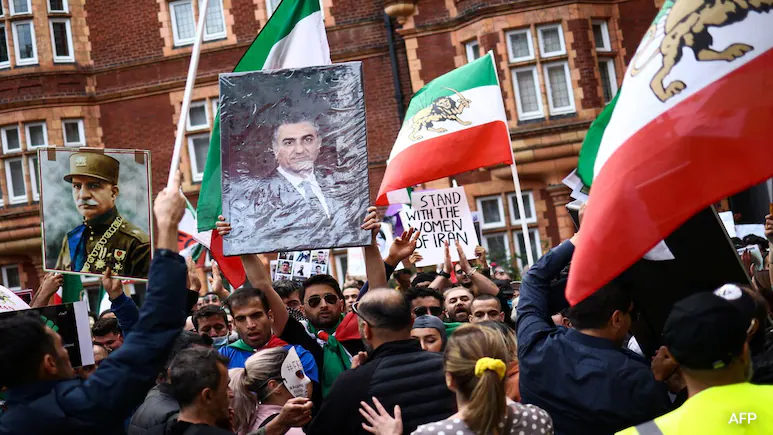
The family of Robina Aminian believes the Iranian college student was shot dead at close range by security forces during nationwide protests challenging Iran’s theocratic rule, but the ordeal did not end with her death.
In the chaotic aftermath, Aminian’s mother was forced to search through piles of corpses to locate her daughter’s body before the family hurriedly buried her in an unmarked roadside grave, fearing interference from authorities.
Relatives say Aminian, a young Kurdish woman studying fashion in Tehran, was killed by a bullet to the back of her head on January 8 near the Shariati Technical and Vocational College for Girls. More than a week later, her family has still been unable to hold a funeral.
“She dreamed of a future filled with possibility,” her uncle, Nezar Minoei, told the Associated Press from Oslo. “That future was taken from her.”
Unclear circumstances, limited verification
Precise details surrounding Aminian’s death remain difficult to verify due to restricted communications inside Iran. The AP spoke with three family members abroad who relayed the same account based on what Aminian’s mother learned from friends who were with her at the time.
Iran Human Rights, an Oslo-based organisation, has reported that witnesses confirmed a shooting near the college on the night Aminian was killed. The AP could not independently confirm the cause of death or inspect the body. Iran’s mission to the United Nations did not respond to requests for comment.
The Human Rights Activists News Agency, which tracks casualties using a network of local sources, estimates at least 3,090 people have been killed since protests erupted. Iranian authorities have not released official casualty figures.
Friends alerted mother
According to relatives, Aminian’s friends called her mother, Amina Norei, on January 8 to say she had been shot as they walked away from campus and encountered a protest. The students reportedly joined the demonstration before security forces opened fire.
Verified videos and testimonies from rights groups and medical personnel indicate that Iranian forces have used rifles and shotguns to disperse crowds. While authorities claim some protesters were armed, the family says Aminian had no political involvement and posed no threat.
Searching among the dead
At the time of her daughter’s death, Norei was in Kermanshah, nearly 460 kilometres from Tehran. She travelled overnight to the capital, where relatives say she searched morgues and makeshift holding areas, opening body bag after body bag.
“She kept looking at one face after another, hoping to find her child,” said Aminian’s aunt, Hali Norei. “Imagining that search is unbearable.”
Amnesty International has reported that Iranian morgues have been overwhelmed, with bodies stored in trucks and warehouses.
When Norei finally found her daughter, family members rushed to leave with the body, fearing officials might demand money for its release, Minoei said.
Human rights groups say such demands are common. The Centre for Human Rights in Iran has documented cases in which families were forced to pay fees or sign false statements claiming their relatives were security personnel before bodies were released. Iranian state media has denied these allegations, insisting burial services are free.
A hurried burial
Relatives said Aminian’s mother and sister transported the body back to Kermanshah in their car, holding it for hours during the drive. Upon arrival, they found security forces surrounding their home.
Believing they had no safe alternative, the family drove out of town, dug a grave by the roadside and buried Aminian there without markers or ceremony. The location of the grave remains undisclosed.
ALSO READ: The scope of RSS and Muslim dialogue is expanding
Family members abroad say they have not been able to contact relatives inside Iran since Sunday, deepening fears for their safety.







.webp)