Tehran
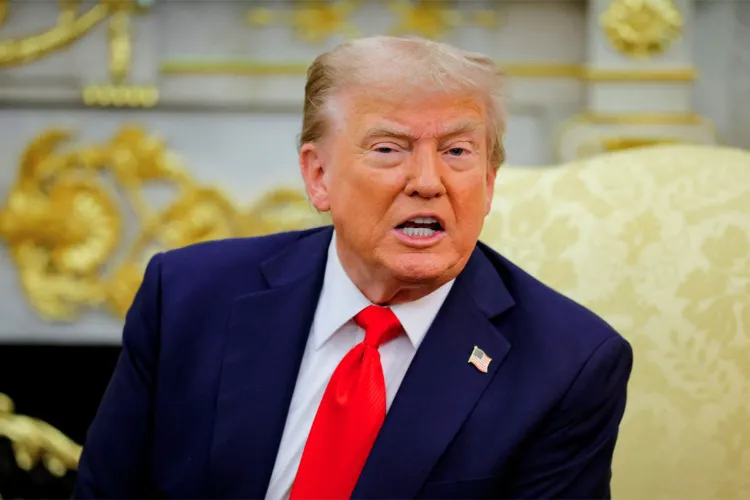
Iran’s Foreign Ministry on Monday dismissed US President Donald Trump’s assertion that Washington and Tehran are engaged in talks, calling the claim misleading and politically motivated amid the escalating West Asia conflict.
In a statement reported by Mehr News Agency, the ministry said Trump’s remarks were aimed at buying time for further US military operations and influencing global energy prices during a period of volatility.
“The US President's statements are within the framework of efforts to reduce energy prices and gain time to implement his military plans,” the ministry said.
Iran maintained that it is not engaged in any direct or indirect negotiations with the United States. This position was echoed by an Iranian security official, who reiterated that no communication channels are currently active between the two sides.
Dispute over “pause” in strikes
The denial comes shortly after Trump announced a five-day pause in US strikes targeting Iranian energy infrastructure, citing what he described as “constructive” and “productive” discussions.
However, Tehran suggested that the pause was not a diplomatic breakthrough but rather a response to its strong warning of retaliation. Iranian officials indicated that Washington stepped back after being cautioned about the consequences of attacking critical infrastructure.
Escalation and threats
Earlier, Trump had issued a 48-hour ultimatum demanding that Iran reopen the Strait of Hormuz—a vital global oil transit route—threatening to “obliterate” Iranian power plants if the demand was not met.
In response, Iran warned of irreversible retaliation, with Parliament Speaker Mohammad Bagher Ghalibaf stating that any strike on Iranian facilities would trigger attacks on energy infrastructure across the region, potentially keeping oil prices elevated for a prolonged period.
Conflict background
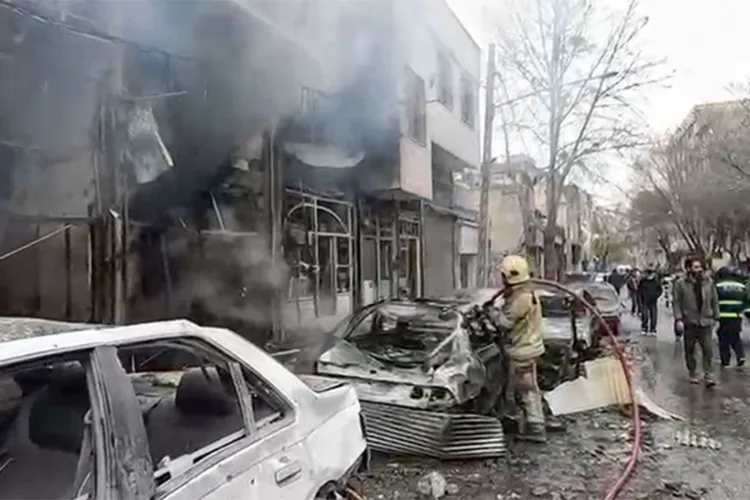
The ongoing conflict, now in its fourth week, began after the killing of Ali Khamenei in joint US-Israeli strikes on February 28. Iran subsequently launched retaliatory attacks on US and Israeli targets across the Gulf region.
The situation has significantly disrupted global trade routes, particularly through the Strait of Hormuz, and has contributed to instability in international energy markets.
READ MORE: Sarah Rizvi: The first Muslim woman IPS officer of Gujarat cadre
Diplomatic uncertainty
While Trump continues to signal openness to negotiations, Iran’s firm denial highlights a deep trust deficit between the two sides. With conflicting narratives and ongoing military escalation, the prospects for immediate diplomatic resolution remain uncertain.










.webp "Representational Image")