




Tel Aviv
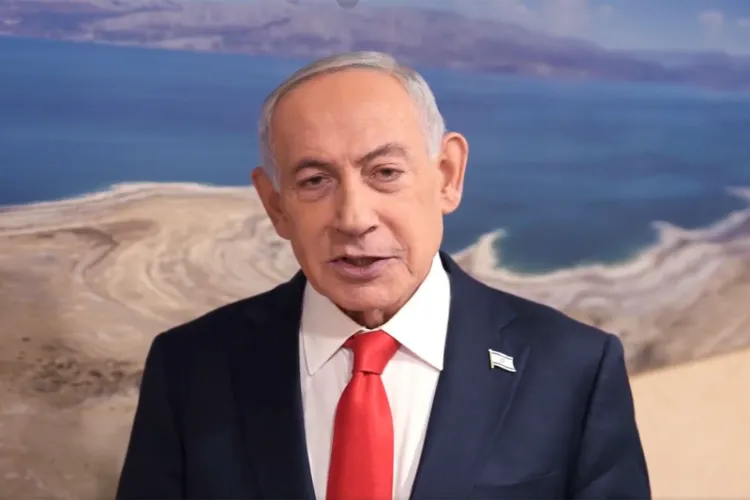
Israeli Prime Minister Benjamin Netanyahu has proposed rerouting global energy pipelines towards the Mediterranean as a long-term solution to reduce dependence on the Strait of Hormuz, amid escalating tensions in West Asia.
In an interview with Newsmax, Netanyahu said that alternative overland routes—linking oil and gas supplies across Saudi Arabia to the Red Sea and the Mediterranean—could help bypass the vulnerable maritime corridor.
“Long-term solutions include rerouting energy pipelines westward… bypassing Iran’s geographic choke point,” he said, highlighting the need to reduce reliance on the Strait, which handles nearly 20 per cent of global oil exports.
Bordered by Iran on one side and countries like Saudi Arabia, the United Arab Emirates, and Oman on the other, the Strait remains one of the world’s most critical energy transit routes.
Netanyahu noted that Iran’s geographical position allows it to exert significant influence over global energy flows, particularly during conflicts. While a military approach may offer short-term relief, he suggested that structural solutions—such as new pipeline networks—would be more effective in the long run.
Meanwhile, Iran has moved to formalise its control over the Strait. According to state media Islamic Republic of Iran Broadcasting, the country’s Parliament Security Committee has approved a “Strait of Hormuz Management Plan.”
The plan includes provisions for imposing tolls on vessels, enhancing security and safety mechanisms, and implementing financial arrangements such as a rial-based toll system. It also proposes a ban on vessels from the United States and Israel, along with restrictions on countries participating in unilateral sanctions against Iran.
These measures come amid the ongoing conflict between Iran and a US-Israeli coalition, now in its second month, and reflect Tehran’s efforts to assert control over the vital shipping route.
At the same time, the White House has pointed to ongoing diplomatic engagement as a factor behind recent tanker movements through the Strait, despite disruptions.
US President Donald Trump’s administration credited direct and indirect talks with Iran for facilitating the passage of oil tankers.
White House Press Secretary Karoline Leavitt rejected claims that Iran was selectively allowing vessels through, stating that the movement of tankers was a result of sustained diplomatic efforts.
READ MORE: Inspirational story of Kolkata’s ‘Hijabi Biker’ Alima Rahman
The situation underscores the growing geopolitical and economic stakes tied to the Strait of Hormuz, as global powers weigh both immediate and long-term strategies to secure energy supply routes.

.webp "Rocks bearing inscription in ancient Arabic excavated in Saudi Arabia's Madina region")









.webp)
_(1).webp)


