




Tehran
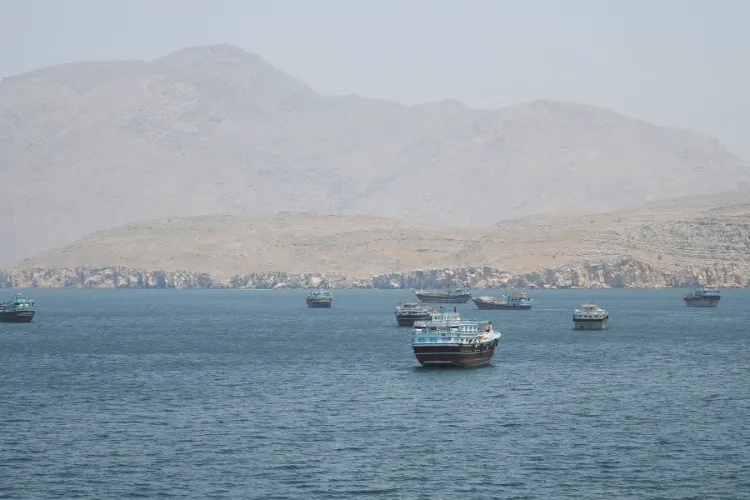
No vessels have crossed the strategically important Strait of Hormuz during the past 24 hours, according to vessel-tracking data cited by RT from Marine Traffic.
Reports noted that before the outbreak of the US-Iran conflict, more than 130 ships on average passed through the waterway daily, making the current halt in traffic a significant disruption to global maritime movement.
Meanwhile, several Gulf nations are jointly backing a proposed resolution at the United Nations Security Council that would threaten Iran with sanctions and other punitive measures if it fails to stop attacks on vessels in the Strait of Hormuz, discontinue what they described as “illegal tolls,” and reveal the locations of naval mines to ensure freedom of navigation, according to Al Jazeera.
During discussions at the United Nations on Thursday, senior diplomats from Qatar, Bahrain, and the United Arab Emirates stressed the urgency of restoring maritime traffic in the strait to pre-conflict levels.
The draft resolution is reportedly being prepared jointly by Qatar, Bahrain, the UAE, Saudi Arabia, Kuwait, and the United States. The proposal also calls on Iran to cooperate immediately with UN-led humanitarian efforts aimed at creating a safe maritime corridor for the delivery of aid, fertilisers, and essential goods through the strait.
At the same time, Iran’s Permanent Representative to the UN, Amir-Saeid Iravani, accused the United States of breaching the ceasefire through military actions near the Strait of Hormuz, according to Iran’s state broadcaster IRIB.
In a letter addressed to UN Secretary-General Antonio Guterres and the president of the Security Council, Iravani alleged that US military operations targeting two Iranian oil tankers near Jask Port and the Strait of Hormuz, along with strikes on Iranian coastal regions, amounted to a violation of the ceasefire agreement and the UN Charter.
READ MORE: Why Congress MLA Motab Shaikh thinks he is the luckiest man on earth
He further warned that continued military activity by the United States in the Persian Gulf and the Strait of Hormuz could trigger severe regional and global consequences, posing a threat to international peace and security.












.webp "Representational Image")





.webp)