New Delhi
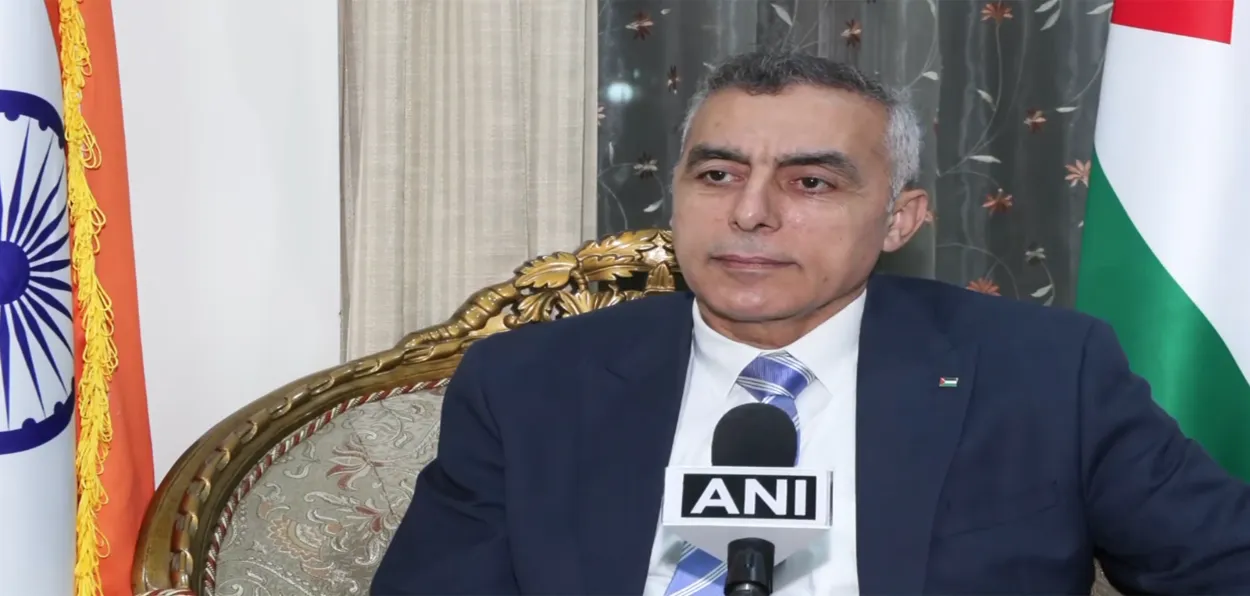
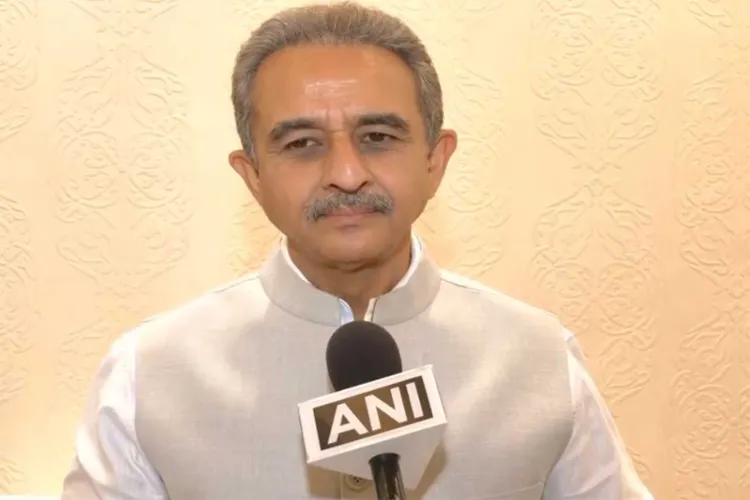
As the Israel-Hamas conflict approaches the 1,000-day mark, Palestinian Ambassador to India Abdullah M. Abu Shawesh has appealed to India, its civil society and humanitarian organisations to help address the devastating impact of the war on the healthcare system in the Gaza Strip.
Speaking to media organisations in New Delhi, Ambassador Shawesh highlighted the worsening humanitarian crisis in Gaza, while the Palestinian Embassy issued a detailed statement outlining the critical condition of the territory's healthcare infrastructure.
"The Palestinian healthcare sector is in desperate need of urgent international support, including the immediate provision of life-saving medicines and critically essential medical supplies worth 100 million USD," the Embassy of the State of Palestine said in its statement.
The Embassy called upon the international community, particularly the Government of India, Indian humanitarian organisations, medical institutions and civil society groups, to support the Palestinian healthcare sector and ensure the sustained delivery of humanitarian and medical assistance.
#WATCH | Delhi: On India's role in the Israeli–Palestinian peace, Palestinian Ambassador to India Abdullah M. Abu Shawesh says, "... When we talk about India and the bilateral relations with Israel and Palestine, India has a strong relationship with both sides... I trust that… pic.twitter.com/6gDgcx38Hm
— ANI (@ANI) June 19, 2026
"The Embassy of the State of Palestine calls upon the international community, the Government of India in particular, Indian humanitarian organisations, medical institutions, civil society organisations, and all concerned parties to urgently act to support the Palestinian healthcare sector, ensure the immediate and sustained delivery of humanitarian and medical assistance, and help protect the lives and dignity of Palestinian civilians," the statement said.
Addressing journalists, Ambassador Shawesh underscored the historic ties between India and Palestine.
"India is one of our elder brothers. We have many shared values, histories and futures, especially as countries of the Global South," he said.
On a personal note, he added, "I have worked at the United Nations for almost 10 years, and I know the true meaning of being an Indian, an Indian person, or an Indian diplomat at the United Nations. India is India."
URGENT: Palestinian Embassy in India appeals to New Delhi for urgent medical supplies and support!! pic.twitter.com/Y06i40usMk
— Osint World (@OsiOsint1) June 19, 2026
India was the first non-Arab country to recognise the State of Palestine and establish diplomatic relations with it. New Delhi extended recognition soon after the Palestine Liberation Organisation, led by Yasser Arafat, declared an independent Palestinian state in November 1988.
Recalling the historical relationship between the two peoples, Shawesh referred to India's position on Palestine before Independence.
"In 1947, under the leadership of Mahatma Gandhi, India voted against the Partition Plan for Palestine, and he made his position very clear," the ambassador said. He expressed hope that the present government would continue to maintain the longstanding relationship between India and Palestine.
The embassy's statement said that the Palestinian people continue to look towards "the conscience of humanity and toward India's historic commitment to justice, humanitarian values, anti-colonial principles, and support for oppressed peoples."
Expressing grave concern over conditions in the occupied Palestinian territories, the embassy said the healthcare system was facing a catastrophic collapse due to the ongoing conflict, destruction of medical infrastructure, restrictions on humanitarian access and financial constraints.
#WATCH | Delhi: Palestinian Ambassador to India Abdullah M. Abu Shawesh says, "When it came to the situation in Palestine, it's a very catastrophic situation... We are talking about the mass destruction of Gaza... When we talk about a catastrophic situation in Gaza, we talk… pic.twitter.com/yZ7wBbwk67
— ANI (@ANI) June 19, 2026
According to the embassy, only 19 of Gaza's 36 hospitals remain partially operational. It said severe shortages of anaesthesia, antibiotics, dialysis supplies, blood units, surgical equipment, insulin and fuel for hospital generators have severely hampered medical services.
The embassy further claimed that more than 12,000 bodies remain trapped under the rubble in Gaza. It also alleged that the destruction of cemeteries has exposed human remains and skeletal remains in several areas affected by the conflict.
The humanitarian situation, it said, has been particularly severe for children. Thousands are suffering from acute malnutrition, while international reports indicate that nearly all children in Gaza require mental health and psychosocial support.
"The scale of the crisis is alarming," the statement said. It noted that while Palestinian government hospitals in the West Bank performed around 65,000 surgeries during the previous year, only about 19,500 surgeries have been carried out so far this year. More than 11,000 scheduled surgeries have reportedly been postponed since the beginning of 2026 because of shortages of medicines, medical supplies and operational capacity.
The embassy also said that nearly 180 of the 520 essential medicines are currently unavailable. Of the 97 medicines used in cancer and tumour treatment, 50 have reportedly reached zero stock levels, placing nearly 4,000 cancer patients at immediate risk.
Reiterating the need for urgent assistance, Ambassador Shawesh referred to Prime Minister Narendra Modi's "Aarogya Maitri" initiative, under which India pledged to provide essential medical supplies to developing countries affected by natural disasters or humanitarian crises.
READ MORE: Tasir Ali is a proud father of five sons in uniform
Concluding its appeal, the embassy urged India to play a leading humanitarian role in supporting Gaza's healthcare system."If not India and the Indian people, then who? If not now, then when?" the statement said.

.webp "Representational Image")








.webp "Representational Image")
.webp "Prime Minister Balendra Shah")

.webp)