

Moscow
Scientists at Patrice Lumumba Peoples' Friendship University of Russia (RUDN), a partner of TV BRICS, are developing new hybrid vertical-axis wind turbines designed to generate electricity for industrial and residential infrastructure, as well as urban and transport systems. The development was reported on the university's website.
According to the researchers, one of the key advantages of the technology is its ability to operate without requiring alignment with the direction of the wind. The vertical-axis rotor can capture wind from multiple directions, allowing the turbines to function effectively under changing wind conditions.
According to TV BRICS, the technology is particularly suitable for locations experiencing turbulent and gusty winds, including urban areas, coastal regions and rugged terrain. Unlike conventional wind turbines that generally need to adjust their orientation according to wind direction, the vertical-axis design can operate independently of such adjustments.
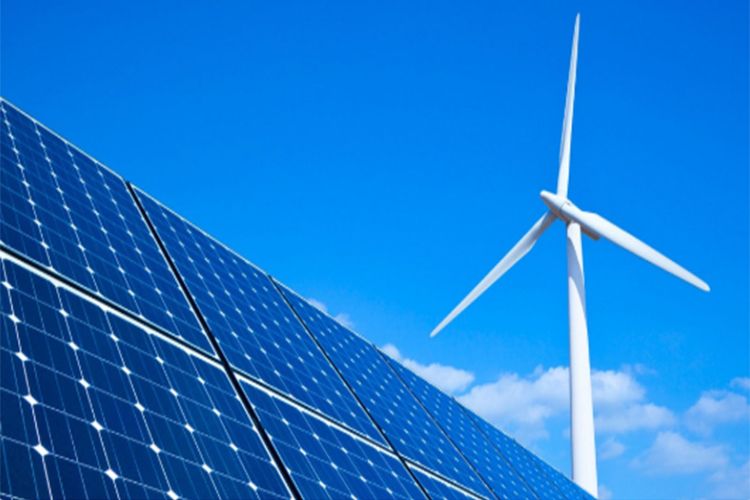
Another important feature of the proposed system is its hybrid energy generation capability, combining wind and solar power to ensure a more stable electricity supply. The integration of both renewable energy sources is expected to improve energy generation efficiency and make better use of available space.
The developers said the compact design would allow wind and solar installations to operate together at a single location, potentially reducing the land requirements for renewable energy infrastructure.
The new turbines are also designed to produce less noise compared to other types of wind energy installations, making them suitable for deployment in densely populated urban environments and areas close to residential infrastructure.
Ease of maintenance is another highlighted advantage of the technology. The generator and gearbox are generally positioned closer to the ground, allowing technicians to carry out repairs and servicing more conveniently.
This configuration also reduces the need for maintenance personnel to work at significant heights, improving operational safety and simplifying routine technical inspections.
READ MORE: 'It Is scholars' job to eliminate hatred against country'
The development reflects ongoing efforts by Russian researchers to explore alternative renewable energy technologies that can operate efficiently in different environmental conditions.
By combining wind and solar generation with a compact vertical-axis design, the RUDN researchers aim to develop systems that could support electricity requirements across industrial facilities, residential areas and modern urban infrastructure.