Ashhar Alam
US President Donald Trump has unveiled a sweeping international initiative called the “Board of Peace”, proposing a new global body aimed at promoting stability and guiding post-conflict reconstruction, with a primary focus on regions such as the Gaza Strip.
According to senior US officials, the plan envisions participation from 60 countries, brought together under a charter designed to support stable governance and long-term peace in conflict-affected areas.
Nations contributing $1 billion would receive permanent seats on the board, while others could join on renewable three-year terms without making the payment.
Proponents say the funding model is intended to fast-track reconstruction while avoiding the administrative inefficiencies associated with larger multilateral institutions.
The proposal comes in the wake of a fragile Gaza ceasefire that took effect on October 10, following months of intense fighting between Israel and Hamas.
Trump’s broader peace framework, including the creation of the board, received backing from the UN Security Council in November 2025, giving the initiative international legitimacy and opening the door for operational planning.
In letters sent to global leaders, Trump described the board as a “bold new approach to resolving global conflicts.” Invitations have reportedly gone out to countries across regions, including Jordan, Greece, Cyprus, Pakistan, Canada, Turkey, Egypt, Paraguay, Argentina and Albania. Some governments, such as Hungary and Vietnam, have confirmed receipt of the invitations, though responses remain mixed as capitals weigh the political and financial implications.
The initiative has also triggered early resistance. Several European governments have expressed hesitation about committing substantial funds to a body perceived as closely aligned with Trump’s personal vision and potentially overlapping with the United Nations’ peace-building mandate. Diplomats have additionally pointed out that the board’s charter does not explicitly name Gaza, raising concerns about its broader scope and priorities.
ALSO READ: India to construct a mega project for endangered one-horn Rhinoceros in Kanziranga
Israel, meanwhile, has publicly objected to the proposal, citing a lack of prior consultation and opposing the inclusion of representatives from Turkey and Qatar. Prime Minister Benjamin Netanyahu convened his cabinet to review the implications of the plan, signalling strong reservations.
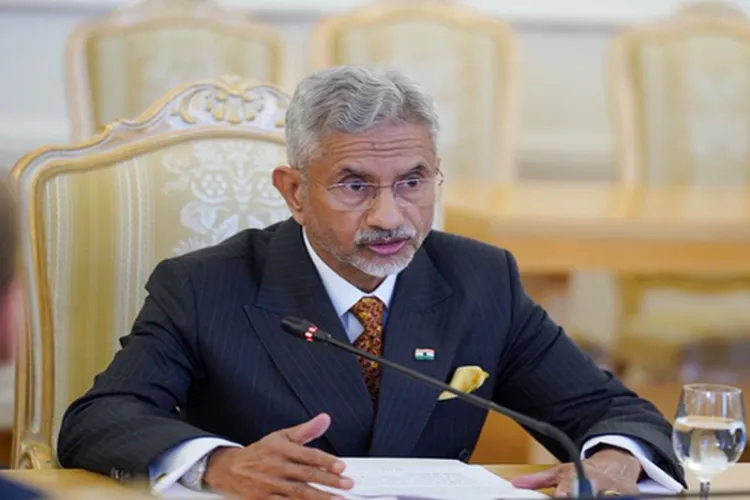
Other invited countries, including India and Jordan, are conducting internal consultations before taking a position. Supporters argue the Board of Peace could streamline reconstruction efforts and strengthen international cooperation, while critics warn that its funding structure and governance model may weaken established multilateral frameworks.




.png)






.webp "Representational Image")
.webp)
.webp)