London
The United States and Iran are considering a proposal aimed at ending ongoing hostilities, with discussions centred on a framework that could potentially take effect as early as Monday, according to sources cited in a Reuters report.
The plan, reportedly facilitated by Pakistan, outlines a two-stage approach—beginning with an immediate ceasefire, followed by negotiations on a broader, long-term settlement. Sources indicated that the initial agreement could be formalised electronically as a memorandum of understanding, with Pakistan acting as the primary communication channel between the two sides.
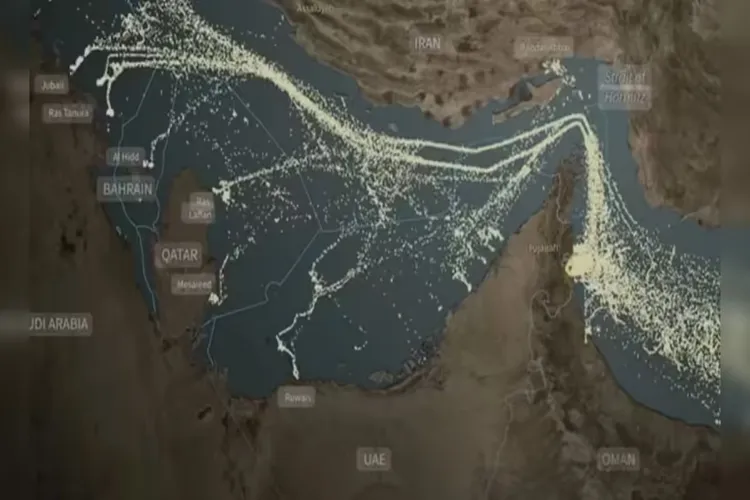
If accepted, the proposal would lead to a swift cessation of hostilities and the reopening of the strategically vital Strait of Hormuz. It also provides a 15–20 day window to finalise a comprehensive agreement, which is expected to be concluded through in-person talks in Islamabad. The framework has reportedly been informally referred to as the “Islamabad Accord”.
There has been no official response so far from Washington or Tehran. Pakistan’s foreign office spokesperson Tahir Andrabi declined to comment on the developments.
Earlier, Iranian officials had conveyed through various mediators—including Pakistan, Turkey and Egypt—that Tehran is seeking firm guarantees against future attacks by the United States and Israel as part of any lasting ceasefire.
According to sources, Pakistan’s Army Chief Asim Munir has been in continuous contact with key figures, including US Vice President JD Vance, special envoy Steve Witkoff, and Iranian Foreign Minister Abbas Araqchi, as efforts to broker a deal intensify.
The proposed final agreement is expected to include commitments from Iran regarding its nuclear programme, potentially in exchange for sanctions relief and access to frozen financial assets.
However, sources suggested that Tehran has yet to formally accept the proposal despite ongoing diplomatic and military-level outreach. Parallel efforts involving China and other stakeholders have also not yet secured a definitive response.
READ MORE: Delhi Advocate Ekta Pareek fights for clean environment, animal rights
The developments come as a deadline set by US President Donald Trump approaches, with parallel discussions reportedly exploring the possibility of a temporary ceasefire of up to 45 days that could pave the way for a permanent resolution to the conflict.