Basit Zargar/Srinagar
In a quiet corner of Nowshera Zoonimar in Srinagar, traditional craftsmanship is finding a new expression through an unlikely material -- the discarded aquatic weeds and grasses pulled from the waters of Dal Lake.
Simran, an artisan working with traditional papier-mâché, locally known as sakhtsazi, has been experimenting with waste from the iconic lake to create a fibrous, stone-like material that can be transformed into decorative pieces.
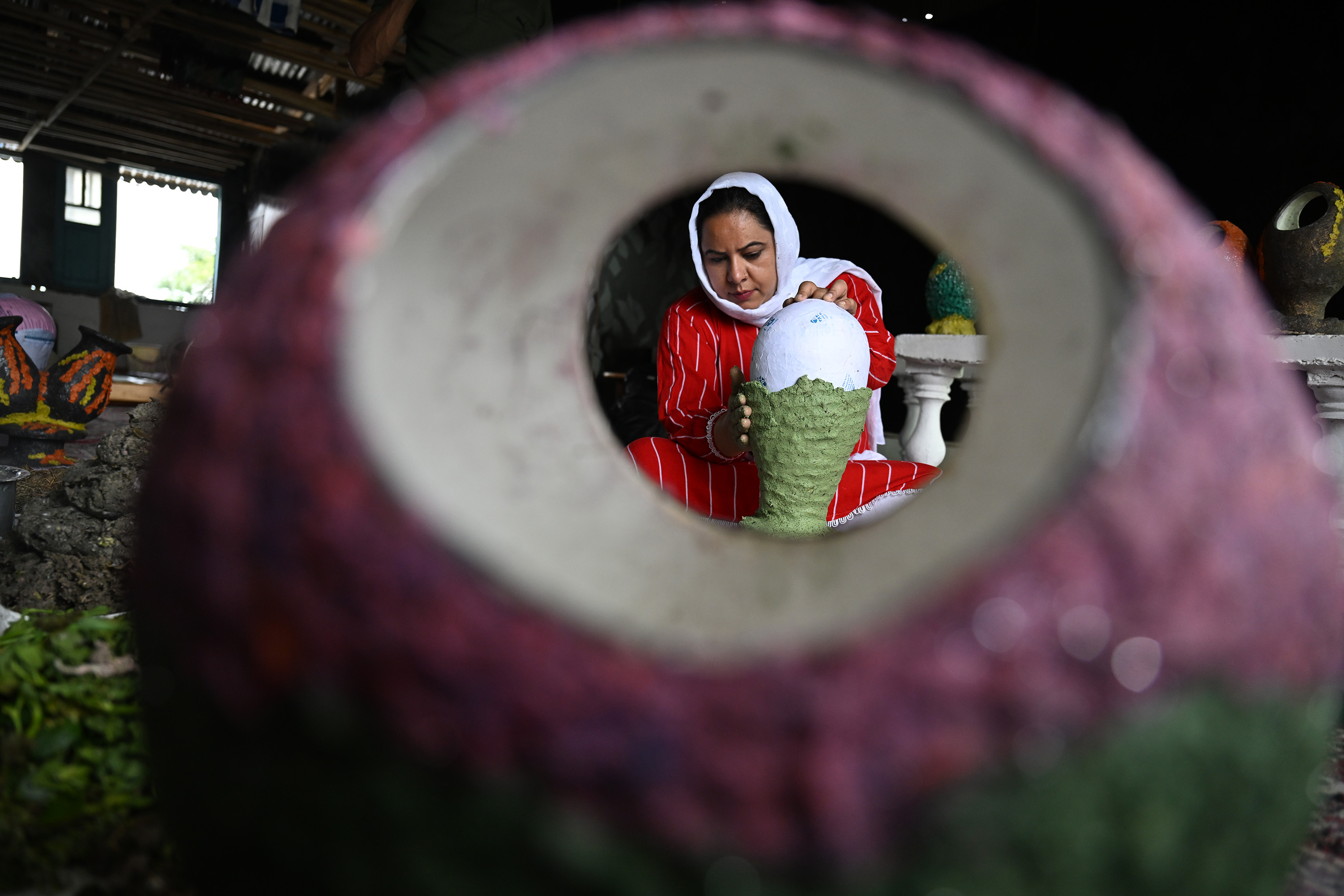
Her work brings together Kashmir’s centuries-old handicraft tradition and a growing need for environmentally responsible alternatives.
Instead of allowing aquatic weeds and grasses removed during cleaning operations to become another form of waste, Simran collects and processes them for use in her craft.
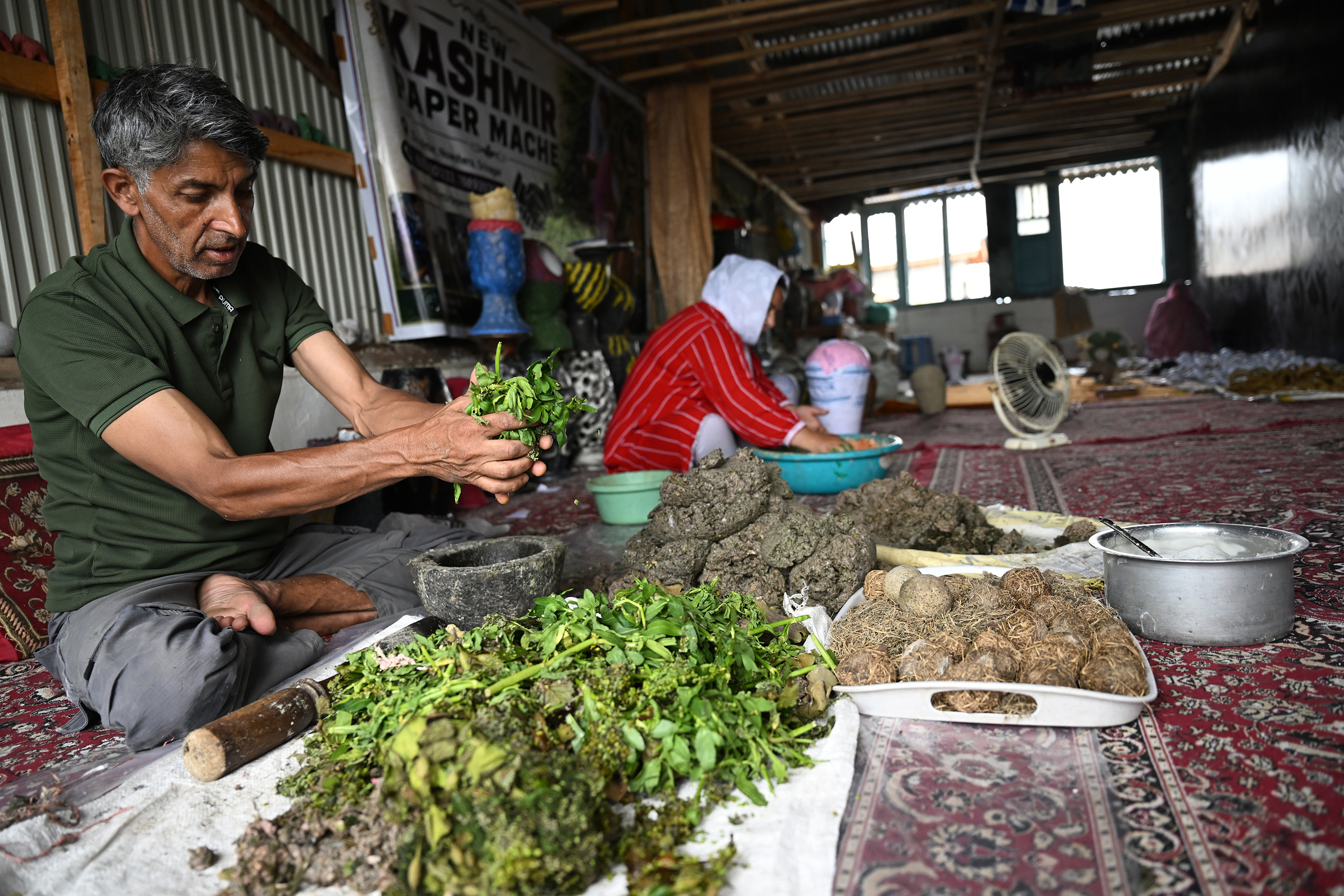
The plant material is dried, treated and converted into a fibrous pulp before being blended with recycled paper. The resulting material has a distinctive texture and firmness, giving it an appearance and feel different from conventional papier-mâché.
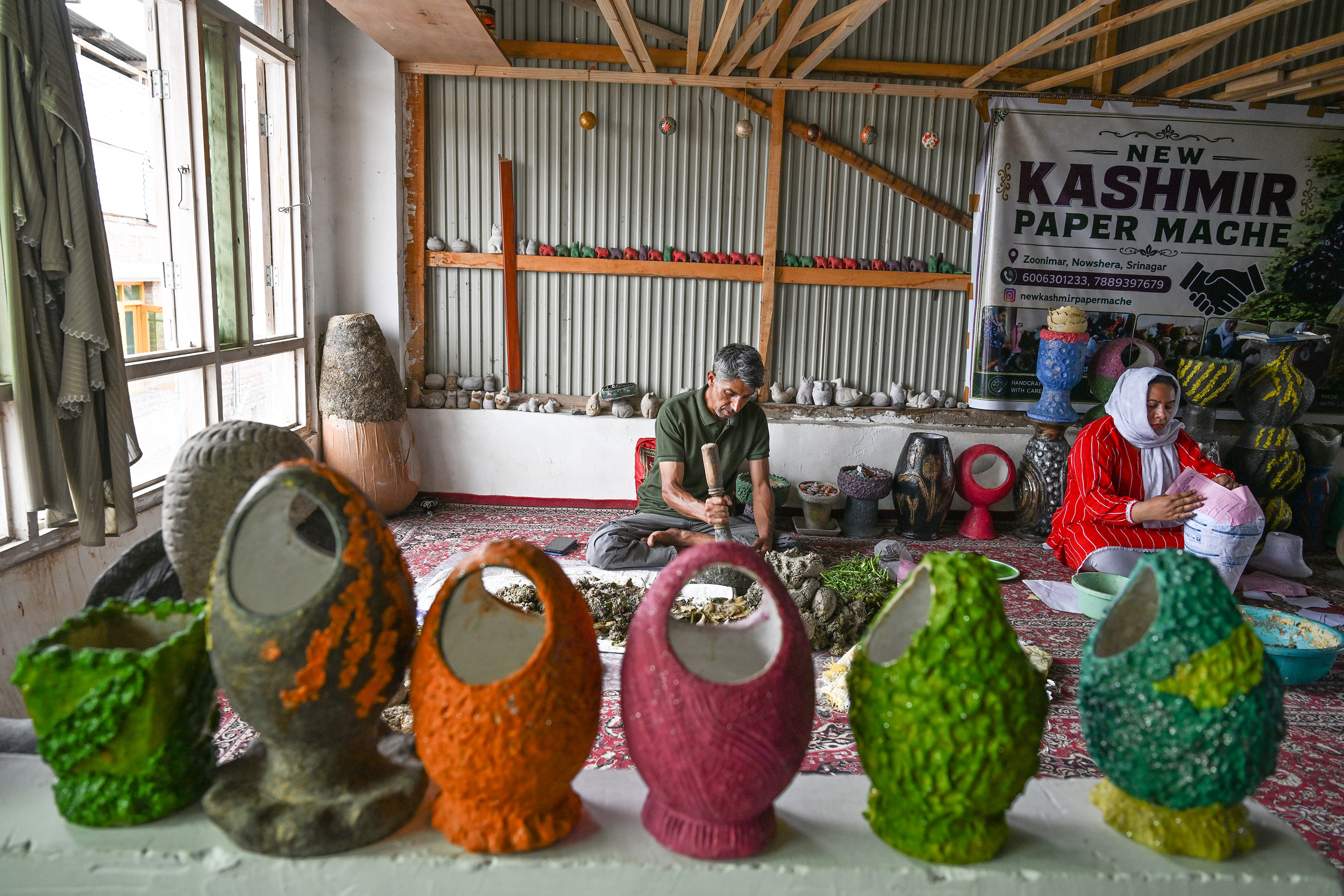
For Simran, the idea is rooted in both tradition and experimentation. “I wanted to find a way to use the waste that is removed from Dal Lake and give it a new purpose through our traditional craft,” she says.
The process begins with the collection of discarded aquatic vegetation. After drying, the material is processed into a pulp and mixed with recycled paper. The mixture is then shaped and moulded into different forms before being finished by hand.
The approach not only gives discarded vegetation a second life but also reduces dependence on conventional raw materials. At a time when pollution, waste management and the health of Kashmir’s water bodies remain concerns, the initiative offers a small but creative example of how local waste can be turned into something useful.
The craft also reflects a broader connection between Kashmir’s environment and its traditional livelihoods. Papier-mâché has long been associated with the region’s artisans, with handmade objects carrying intricate designs and cultural motifs. Simran’s experiments add an environmental dimension to that heritage without abandoning its traditional character.
Her creations include home-decor items and other handcrafted objects made from what she describes as “paper grass”. The stone-like appearance of the material gives the products a contemporary look while retaining the handmade character of Kashmiri craft.
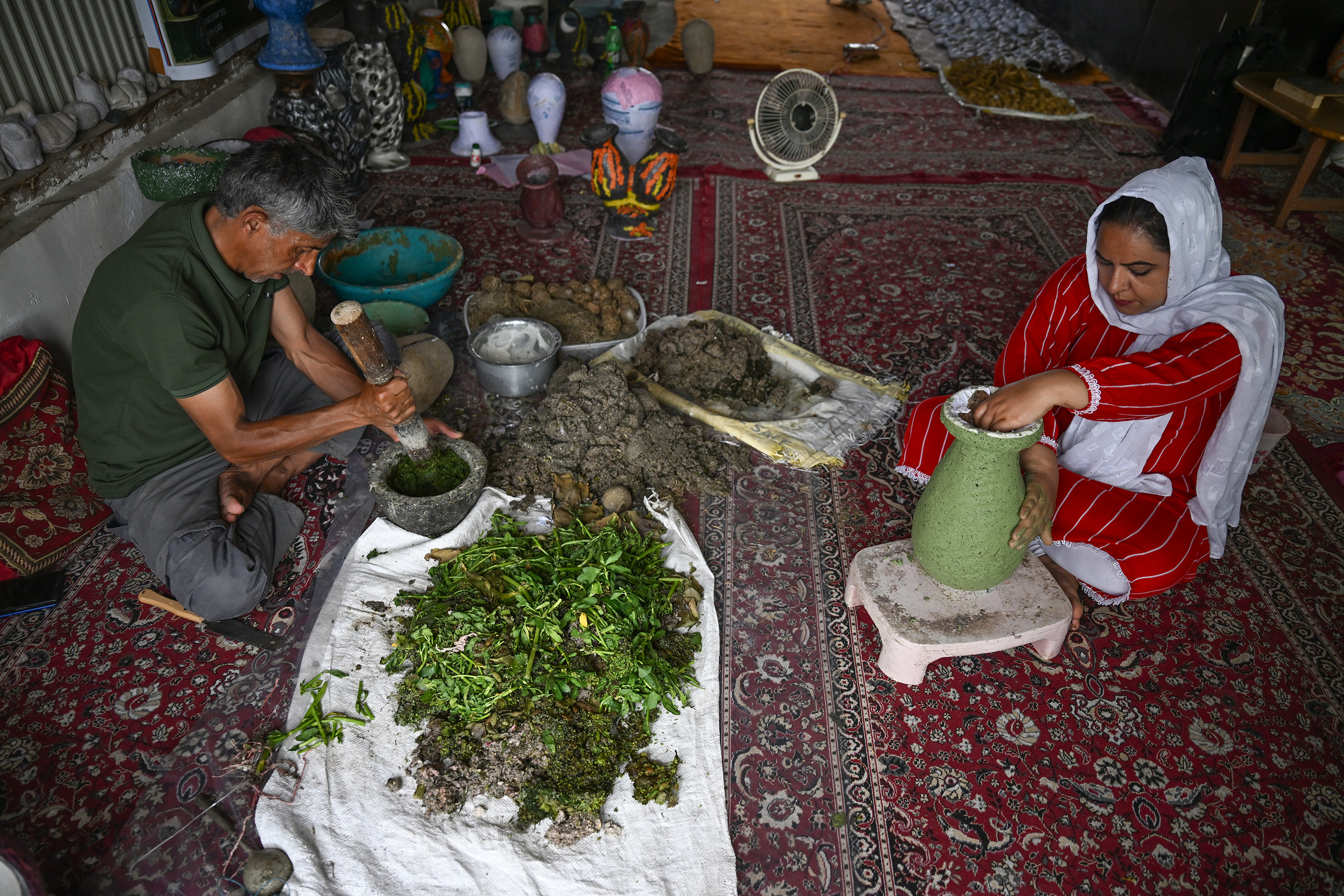
The idea could also provide opportunities for other artisans to explore locally available waste materials and develop sustainable products. If adopted more widely, such innovations could connect environmental conservation with livelihoods, particularly for communities involved in traditional handicrafts.
For now, Simran continues to refine the material at her workshop, experimenting with its strength, texture and possibilities.
ALSO READ: Zaira Wasim has the right to choose; So do Kashmir’s girls
What once floated unwanted in the waters of Dal Lake is being transformed into objects meant to last — turning aquatic waste into craft, and a problem of disposal into an opportunity for sustainable creativity.


_(1).jpg "Visitors gather at the Santosh Mitra Square Durga Puja pandal, themed on the 150th anniversary of Vande Mataram and its historic role in India's freedom movement, ahead of the festival, in Kolkata")

.jpg "Gujarat’s women entrepreneurs bring their craftsmanship to life during Navratri")








_(4).webp)
_(2).webp)