Vidushi Gaur/New Delhi
Every autumn, across India, Navratri - the nine-day festival of prayer, fasting, music and joyous celebration -- is dedicated to Goddess Durga. According to Sanatan philosophy Shakti, the feminine divinity, is a source of power, and energy that led to the creation. The Goddess is associated with destroying the evil and restoring balance in the universe. It's also associted with wealth, and knowledge.
Durga Puja 2026 begins at Iconic Eden Garden, Kolkata😍 As proud Bengali Hindu, Durga Puja is not just a festival for us it’s our emotion, our heritage, and our beautiful culture that we love to share with the world! ❤️🌺 Kolkata lights up with divine energy, the beats of the dhak, dazzling drone shows, and the grand arrival of Maa Durga! 🙏 A historic Mahalaya. A spectacular celebration. An emotion that unites millions. JOY MAA DURGA! 🚩❤️🙏
— 𝐍𝐚𝐫𝐞𝐧𝐝𝐫𝐚 भारतीय 🌺🕉️ (@NarendraVictory) October 10, 2026
Each of the nine days is associated with a different form of the Goddess, collectively known as the Navadurga. Below is the description of form of Feminine divinity celebrated on successive days during the festival:
Day 1: Shailputri, the daughter of the mountains
Navratri begins with the worship of Shailputri, whose name means the daughter of the mountains. She is identified with Parvati, the daughter of Himavan, the personification of the Himalayas. Depicted riding a bull and carrying a trident and a lotus, she symbolises strength, stability and a deep connection with nature.
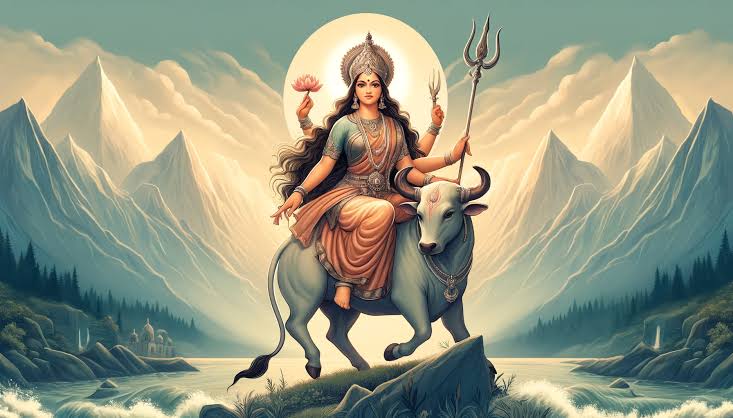 Shailputri, the daughter of the mountains
Her worship marks the beginning of the spiritual journey. Like a mountain that stands firm against changing seasons, Shailputri reminds devotees of the importance of remaining grounded in their beliefs while facing life's uncertainties.
Day 2: Brahmacharini, the embodiment of devotion
The second day is dedicated to Brahmacharini, the ascetic form of the Goddess. According to Hindu tradition, she undertook intense penance to win Lord Shiva as her husband. She is usually portrayed carrying a rosary and a water pot.
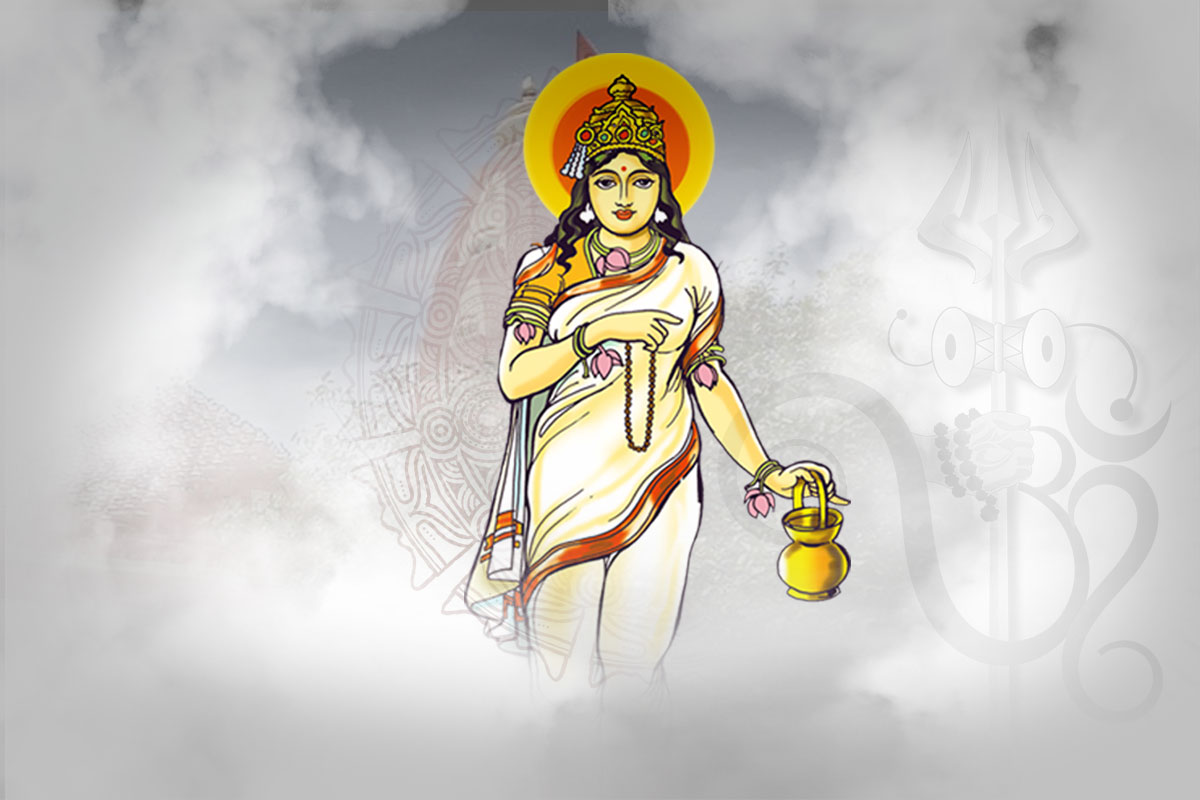 Brahmacharini, the embodiment of devotion
Brahmacharini represents patience, self-discipline and unwavering determination. Her story highlights the value of perseverance, reminding people that meaningful achievements often require sacrifice, commitment and faith in a chosen path.
Day 3: Chandraghanta, the fearless warrior
On the third day, devotees worship Chandraghanta, whose name refers to the crescent-shaped bell adorning her forehead. She is depicted riding a tiger or lion, with weapons in her hands, ready to confront evil.
 Chandraghanta, the fearless warrior
Although she is a fierce warrior, Chandraghanta also represents serenity and protection. Her form conveys the message that courage does not require abandoning compassion. Rather, true strength lies in standing against injustice while protecting those who are vulnerable.
Day 4: Kushmanda, the creator of the universe
The fourth form, Kushmanda, is associated with the creation of the universe through her divine smile. Her name is traditionally interpreted in connection with the cosmic egg, symbolising the universe's origin.
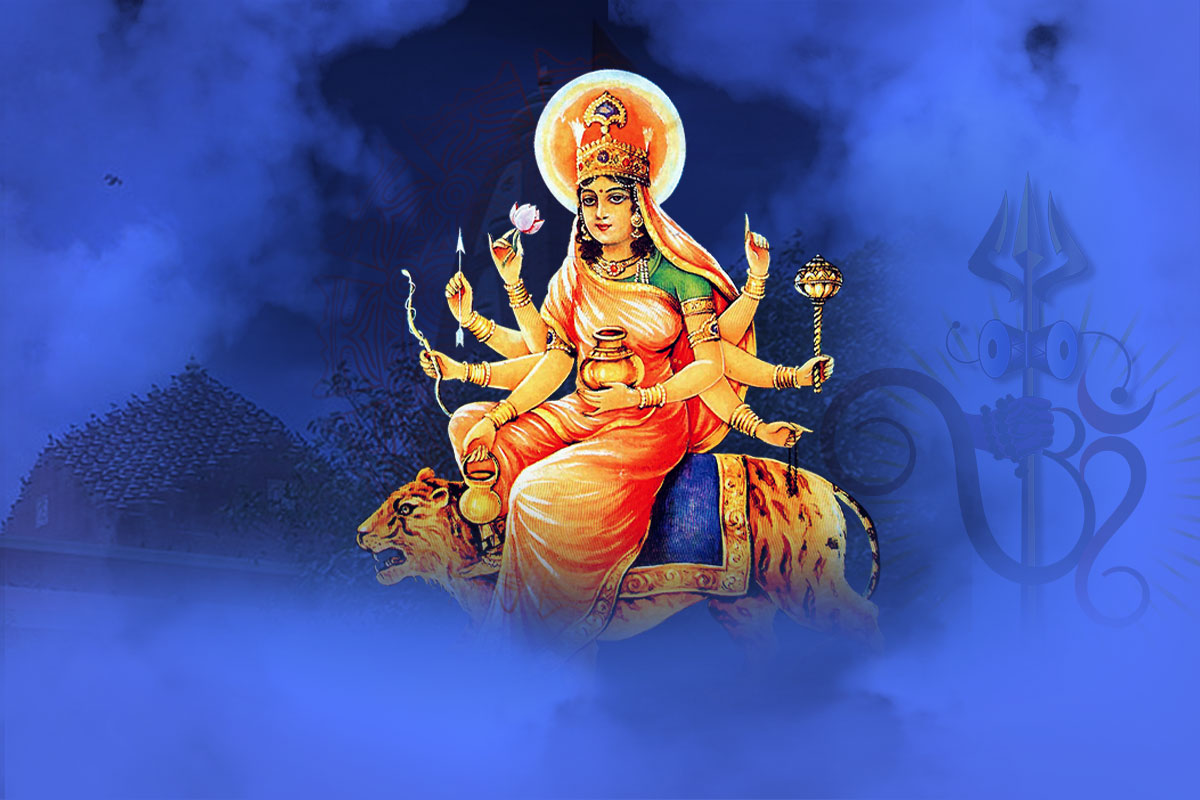 Kushmanda, the creator of the universe
She represents creativity, vitality and the energy that makes life possible. Worshipping Kushmanda encourages devotees to recognise the transformative power of positive action and to nurture the light within themselves, even during difficult times.
Day 5: Skandamata, the nurturing mother
The fifth day celebrates Skandamata, the mother of Kartikeya, also known as Skanda. She is often shown seated on a lotus, holding her child in her lap.
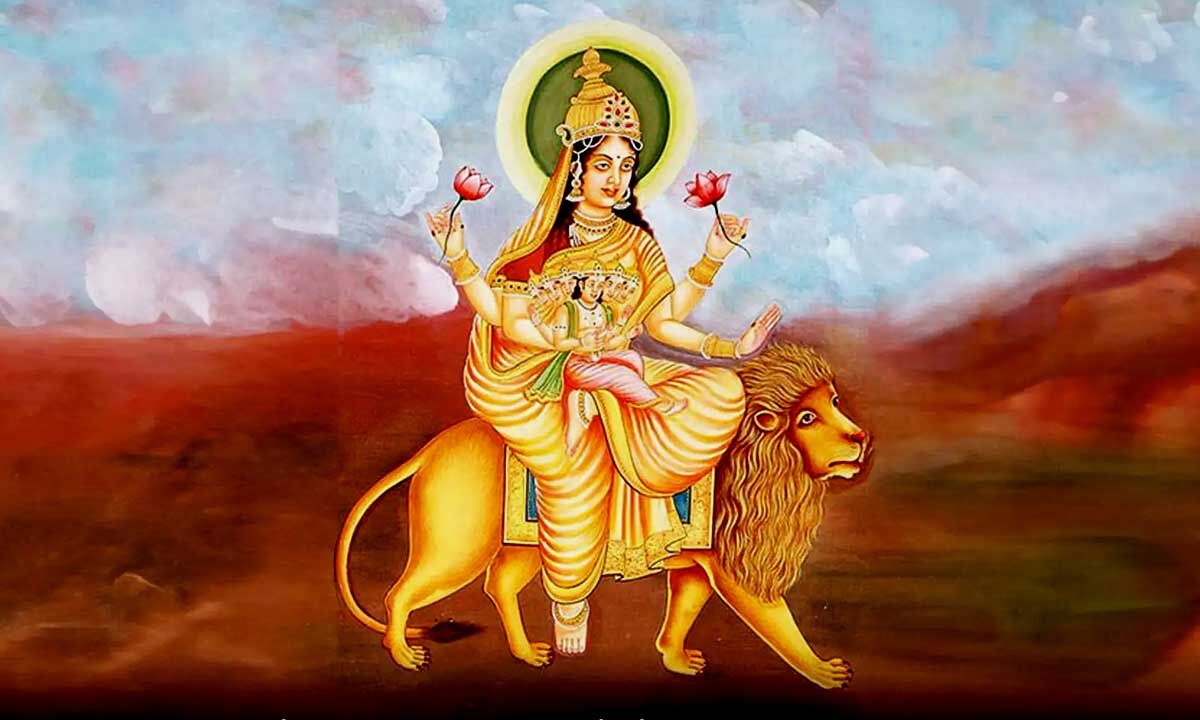 Skandamata, the nurturing mother
This form celebrates motherhood, care and selfless love. Yet her symbolism extends beyond biological motherhood to the broader human capacity to nurture, protect and guide others. Skandamata reminds devotees that compassion and tenderness can be expressions of strength rather than weakness.
Day 6: Katyayani, the destroyer of evil
On the sixth day, the focus shifts to Katyayani, a powerful warrior Goddess associated with the defeat of the buffalo demon Mahishasura. In Hindu mythology, she represents the divine force that emerges to challenge oppression and restore righteousness.
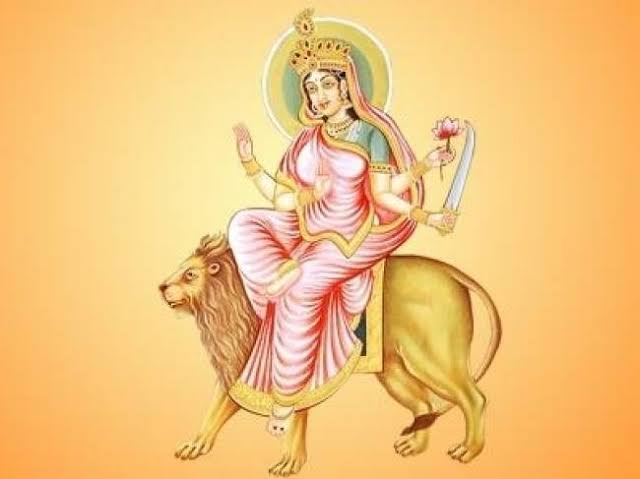 Katyayani, the destroyer of evil
Katyayani embodies confidence, determination and the courage to confront wrongdoing. Her worship carries a powerful message: injustice cannot be allowed to prevail simply because it appears formidable. The struggle for what is right requires resolve and collective faith.
Day 7: Kalaratri, the conqueror of darkness
Kalaratri is worshipped on the seventh day. Her fierce appearance, dark complexion and powerful presence distinguish her from the more gentle forms of the Goddess. Despite her fearsome image, she is regarded as a protector who destroys evil and removes fear.
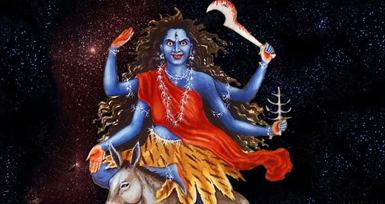 Kalaratri, the conqueror of darkness
Kalaratri symbolises the courage to confront darkness, both in the world and within oneself. Her form suggests that difficult truths cannot always be avoided and that transformation often begins when people face their deepest fears.
Day 8: Mahagauri, the symbol of purity and peace
The eighth day honours Mahagauri, whose name is associated with radiance and purity. She is traditionally depicted in white, symbolising peace, serenity and spiritual clarity.
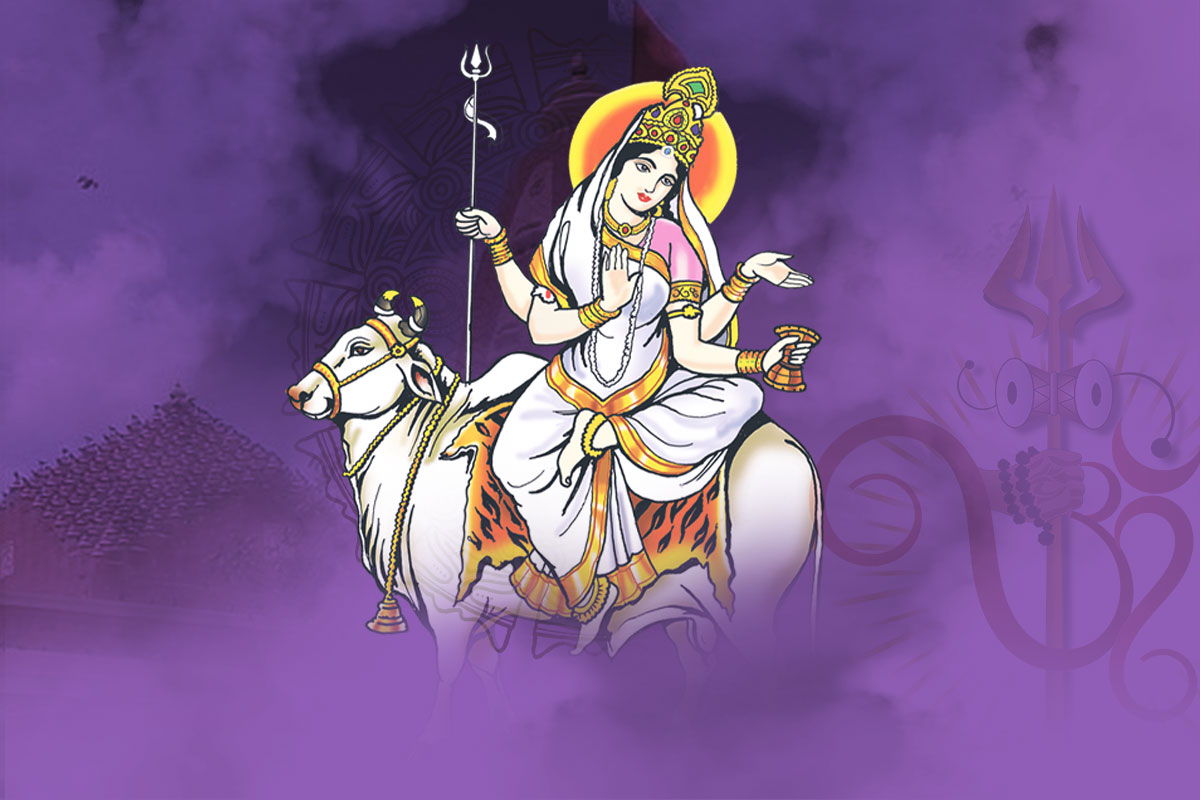 Mahagauri, the symbol of purity and peace
Mahagauri represents renewal, forgiveness and the possibility of beginning again. After the intensity of Kalaratri, her gentle presence offers a reminder that strength also lies in reconciliation, humility and the ability to move beyond past mistakes.
Day 9: Siddhidatri, the giver of spiritual fulfilment
The final day is dedicated to Siddhidatri, the Goddess associated with siddhis, or spiritual accomplishments and extraordinary powers. She is often depicted seated on a lotus, symbolising spiritual wisdom and fulfilment.
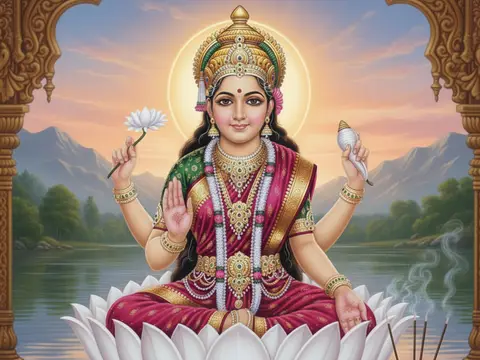 Siddhidatri, the giver of spiritual fulfilment
Siddhidatri represents the culmination of the Navratri journey: the pursuit of knowledge, balance and a deeper understanding of existence. Her worship encourages devotees to look beyond material success and seek a sense of purpose grounded in wisdom and compassion.
READ MORE:Abdul Hamid: UGC-NET Arabic topper worked in farm, as Imam
Ultimately, the festival's message is that strength takes many forms. Whether expressed through the determination to overcome hardship, the courage to challenge injustice or the compassion to care for another, Shakti remains a symbol of the enduring power to create, protect and transform.

.jpg "Gujarat’s women entrepreneurs bring their craftsmanship to life during Navratri")