




 Aasha Khosa
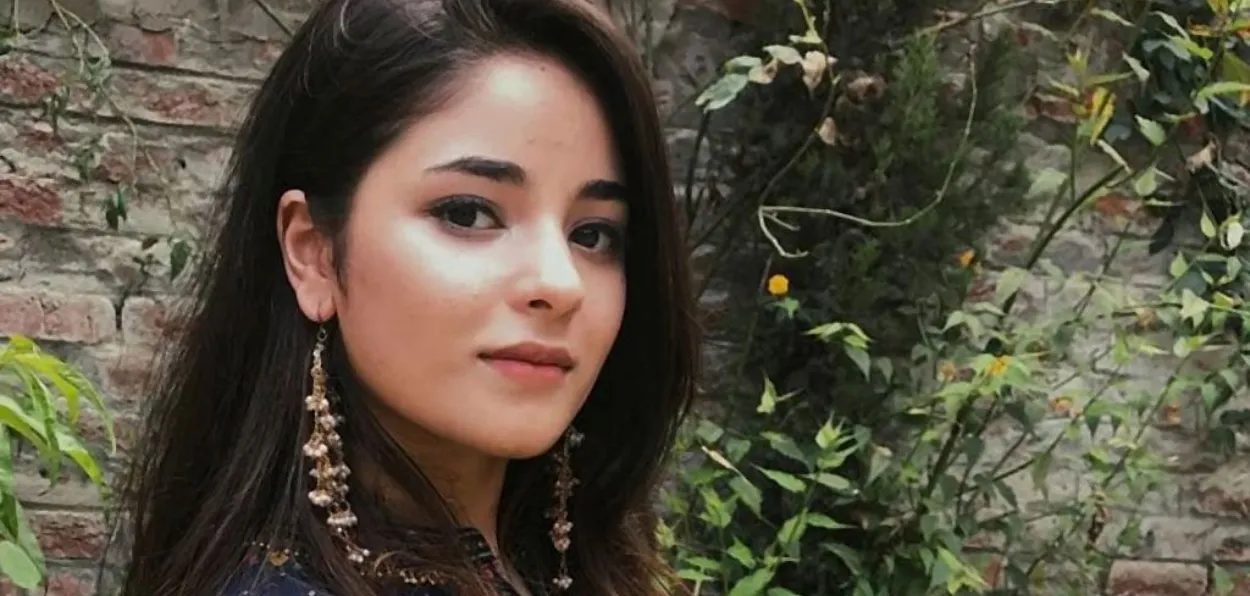
About a decade ago, a 16-year-old Kashmiri girl with chubby cheeks and a sparkling smile became a national sweetheart. The girl Zaira Wasim, who played Geeta Phogat in Aamir Khan’s Dangal, won widespread acclaim for her performance. The film was a blockbuster in India and abroad, and Zaira received the National Film Award for Best Supporting Actress.
A year later, she appeared in Secret Superstar (2017), playing Insia Malik, a teenage Muslim girl who dreams of becoming a singer despite opposition from her abusive father. The Aamir Khan-produced film was critically acclaimed and was particularly successful in China.
For the world, Zaira appeared to be living a dream. Then, at the age of 18 and at the peak of her career, she announced that she was quitting acting because it conflicted with her religious beliefs. She said her career was affecting her relationship with Islam.
Her decision shocked many. Some praised her for putting faith before fame, while others pointed to the intense social and religious pressures young women face in Kashmir. Her decision came after she had faced severe online criticism, including death threats, for meeting then Jammu and Kashmir Chief Minister Mehbooba Mufti, who had described her as a role model.
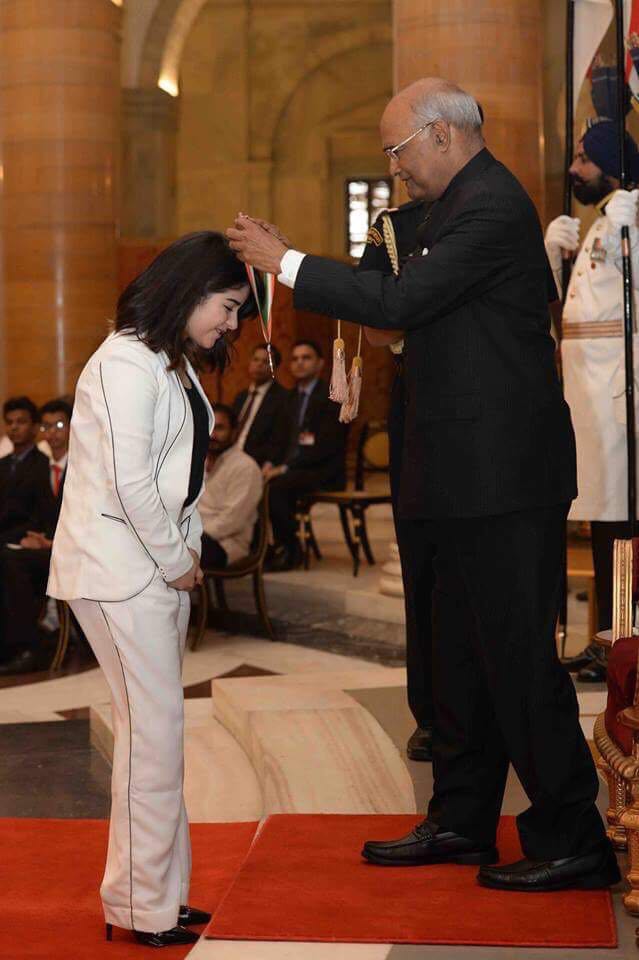 Zaira Wasim receiving National award from President Ram Nath Kovid
Zaira later spoke publicly about battling depression. People largely respected her decision to withdraw from public life and allowed her the privacy she sought.
She resurfaced briefly last year to announce her wedding, captioning a social media post, “Qubool hai x3”. She kept her husband’s identity and their faces away from public view and subsequently returned to her private life.
One can only wish her happiness.
But her recent reappearance on X, a day after Independence Day, has triggered a controversy.
Zaira shared a video of young girls dancing during an Independence Day programme in Kashmir, where Jammu and Kashmir Waqf Board chairperson Dr Darakhshan Andrabi was present on stage. Zaira said she had come across celebrations held “for or by” the J&K Waqf Board and questioned why a religious body would be associated with an event where girls were dancing.
She asked whether the Waqf Board, as an institution serving the Muslim community, should not ideally function in accordance with Islamic values.
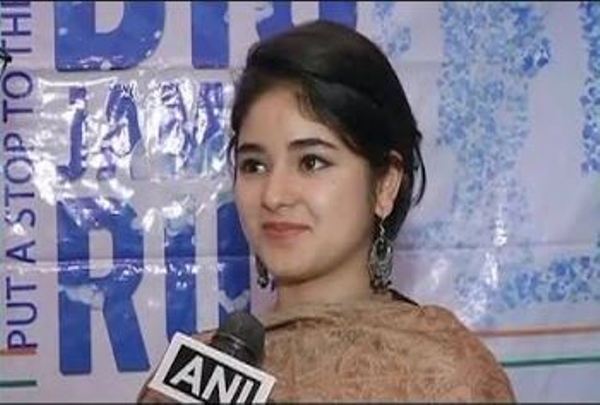 Zaira Wasim speaking to media during her Bollywood days
She also questioned the broader practice of having children, particularly girls, perform at public celebrations. In her view, schools should provide children opportunities to think, create, learn, discuss, build and contribute, rather than reduce them to performers on a stage.
Her post has predictably attracted sharply divided reactions.
Critics argue that Zaira is attempting to turn her personal religious choices into a prescription for other Muslim girls. They point out that she had every right to choose films; pursue a career and later abandon it, but other young women have an equal right to make different choices.
Some have also argued that participating in an Independence Day cultural programme, including dancing, is neither inherently incompatible with being Muslim nor inconsistent with a Kashmiri Muslim identity.
Those sympathetic to Zaira see the matter differently. They argue that if the Waqf Board is a religious institution concerned with Islamic values, it is legitimate to question its association with activities that some Muslims consider religiously inappropriate.
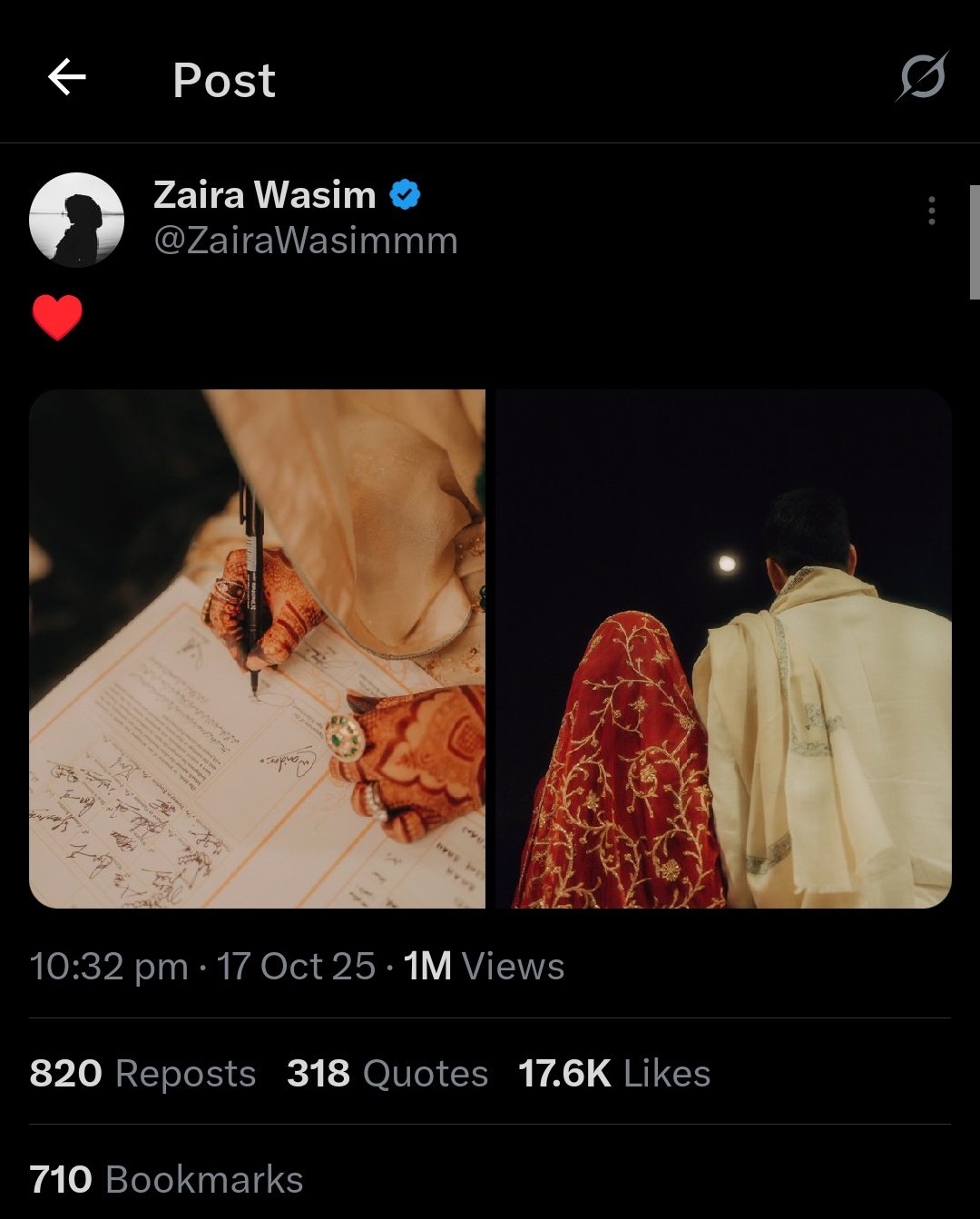 Zaira's post on her wedding
But Zaira’s critics are not speaking in a vacuum. Many are from Kashmir and understand how such seemingly innocuous objections can play out on the ground.
Having witnessed the slow but persistent attempts by conservative forces to restrict women in offices, public spaces and social life, I know that these debates cannot be viewed merely as abstract arguments about personal faith.
This is why some questions need to be asked.
Why did Zaira single out this particular programme when similar cultural and dance events were held across Kashmir on Independence Day?
Was her objection specifically linked to the presence of Dr Darakhshan Andrabi, a woman associated with the BJP who has also been credited with attempting to reform the functioning of Waqf properties?
And, more fundamentally, is the Waqf Board a body established primarily to manage properties and endowments dedicated to the welfare of Muslims, or is it a religious authority empowered to prescribe how Muslims should celebrate public occasions?
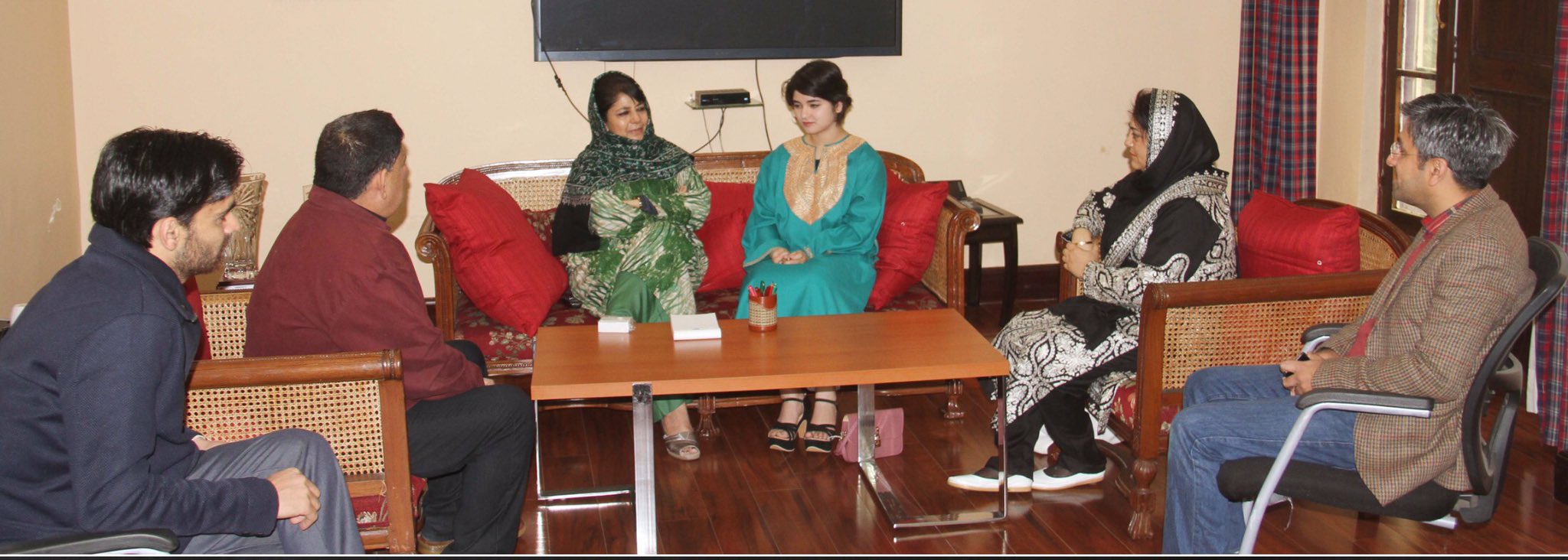 Zaira Wasim meeting Mehbooba Mufti after her Bollywood success
Why should a Waqf institution not participate in the larger social ecosystem of an Independence Day celebration, particularly when the occasion is increasingly being embraced across Kashmir?
Also the girls were dancing to a famous Kashmiri Sufi number while is about the relation vetween divine and the faithful. Did Zaira not notice it?
Dance is hardly alien to Kashmiri culture.
Rouf, one of Kashmir’s most recognisable traditional folk dances, has historically been performed by women at weddings, social gatherings and on Eid. It is part of the cultural vocabulary of Kashmir and cannot simply be dismissed as an imported or inherently un-Islamic practice.
The young girls in the video Zaira shared have aspirations too. They were enjoying their moment on a public stage—perhaps with the same excitement and sense of achievement that Zaira herself experienced as a teenager when she became a national star.
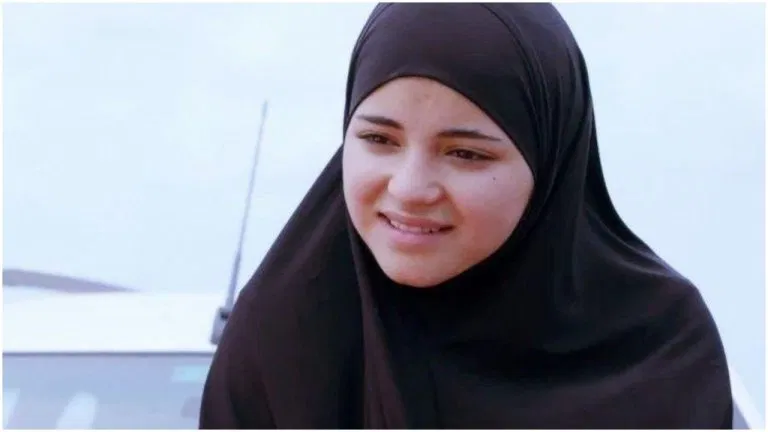 Zaira Wasim in Superstar
Why should someone who once pursued her own dreams ask them to question theirs?
More importantly, what are the consequences when public figures tell young girls that certain forms of self-expression are unacceptable?
Kashmir has seen this before.
During the years of militancy, the all-girls musical band Pragash faced a vicious backlash after its members performed in public. The controversy eventually forced the young musicians to withdraw from the public eye. Young girls who had done little more than pursue music found themselves subjected to an extraordinary level of hostility.
The psychological consequences of such social policing can be devastating. Zaira herself has spoken about battling depression. She should, perhaps more than most, understand what it means for a young person to be hounded for making choices that others disapprove of.
There is an important distinction between choosing a conservative personal lifestyle and seeking to impose that lifestyle on others.
ALSO READ: Fazila Allana pioneered the big business of Indian TV reality shows
Zaira was entitled to leave Bollywood. She was entitled to embrace the religious path she believed was right for her. She was entitled to marry privately and withdraw from public life.
But the same freedom must extend to the young Kashmiri girls who choose to dance, sing, study, perform or pursue careers. No one should be compelled to dance. But neither should anyone be shamed for choosing to dance.
The author is editor Awaz-the Voice, English, and had reported from Kashmir for a decade during peak of insurgency










_(1)_(1).webp)
_(1).webp)