 Atir Khan
There are wonderful things about being Indian that we often take for granted. One of them is an invisible force that holds them together and gives them a shared sense of belonging.
It is difficult to define, harder to measure, yet remarkably powerful.
People belonging to diverse religions, cultures and linguistic traditions orbit like planets around a common centre, held together by an invisible force, yet retain their individuality and maintain their distinct identities. This is perhaps one of the most fascinating characteristics of India.
This shared feeling goes beyond geographical boundaries, a common set of laws or the obligation to pay taxes. The Indian Constitution is undoubtedly our golden book, our North Star, providing the framework within which this extraordinary diversity flourishes.
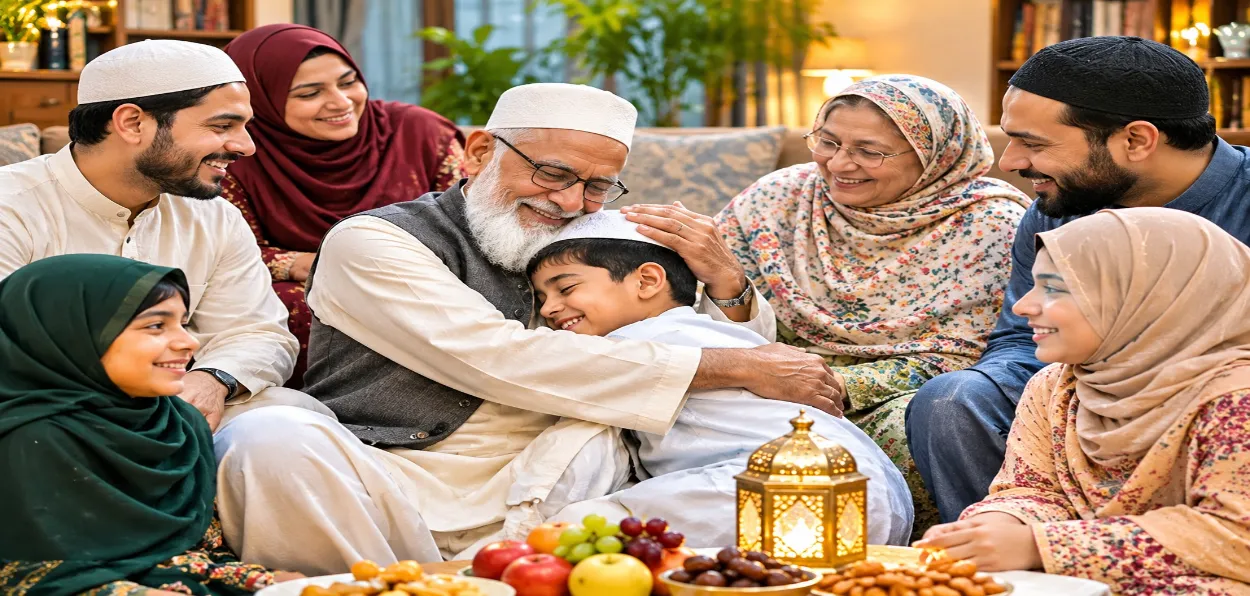
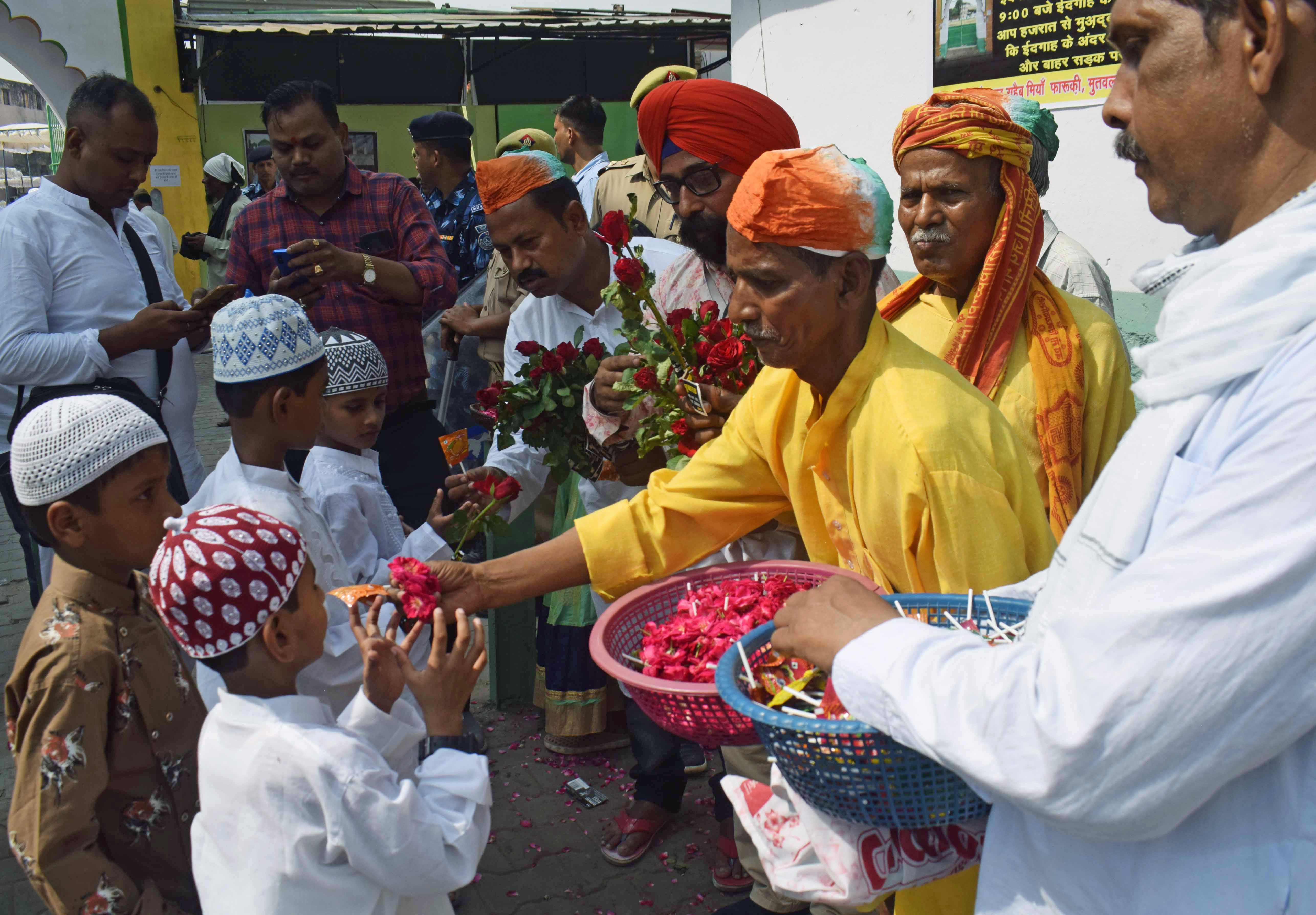 Hindu men offering flowers to children on Eid ul Fitr
But what makes India more than a geographical and political entity is the collective feeling of being Indian.
There is an Urdu word, rawish, which broadly refers to a way, manner or disposition. Perhaps it is this shared disposition, nurtured over centuries, that creates a certain rhythm in which Indians, despite their differences, move together.
What makes Indians unique is the accumulation of centuries of shared religious and cultural experiences. Some have been pleasant, others painful. Yet Hindus, Muslims, Sikhs, Buddhists and Christians have continued to live alongside one another through different political systems, historical upheavals and social transformations.
Political dispensations have changed, kingdoms have risen and fallen, and systems of governance have evolved. Yet ordinary people have continued to share spaces, experiences and lives. Perhaps the cumulative weight of these shared experiences has been stronger than the forces that have sought to divide them.
These experiences are etched in our collective memory. Indianness is not merely an idea that we intellectually subscribe to; it is a sensation that emerges from our lived experiences and sensory perceptions.
We experience it collectively during national festivals, when people across regions and communities come together. But there is another, more intimate dimension to this feeling. It is the individual experience of Indianness, often felt most profoundly when one is alone.
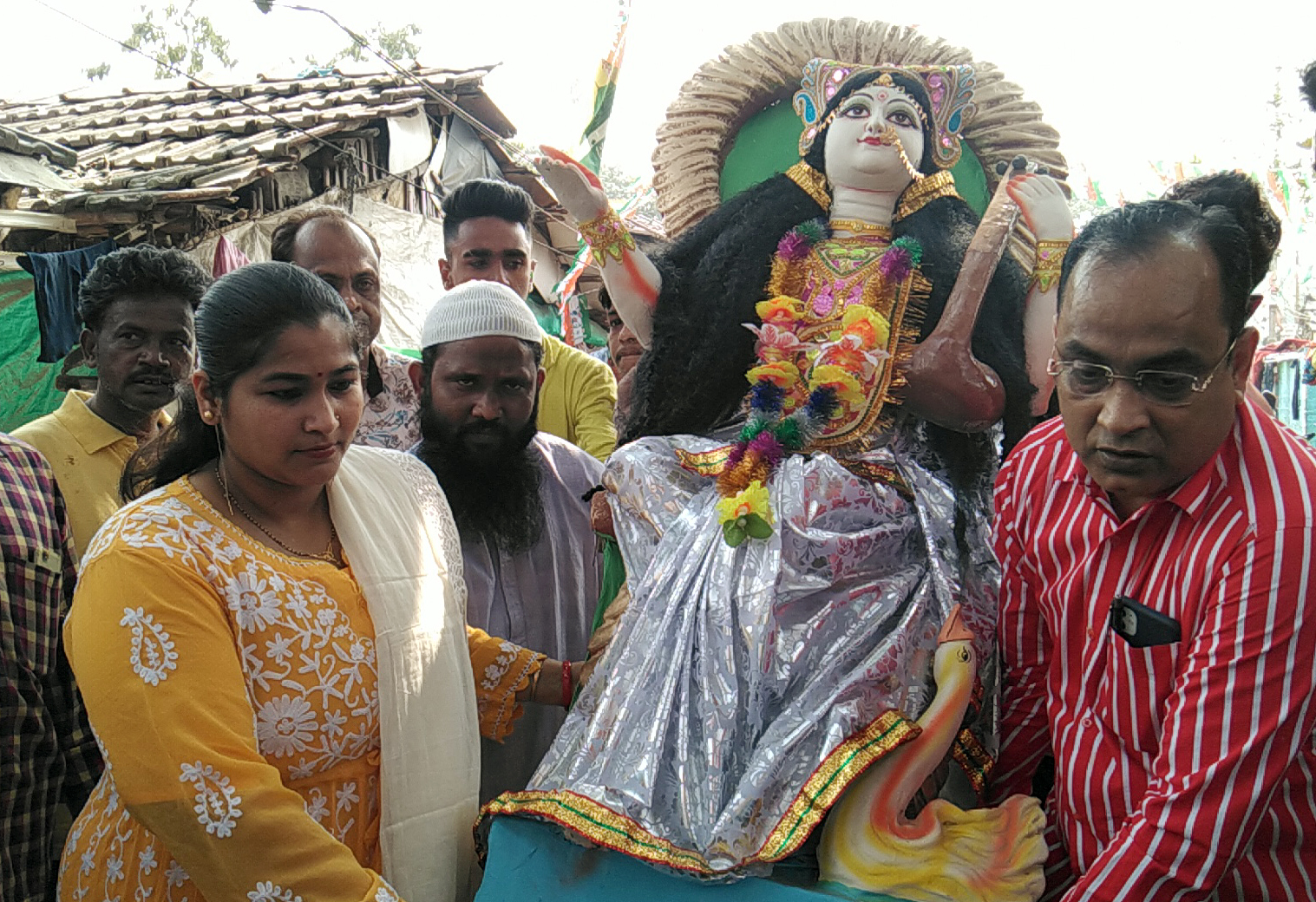 Muslims join Durga Puja celebrations
In those moments, the boundaries of religion, caste, region and community can become less significant. One is simply an Indian, responding instinctively to something familiar and deeply rooted.
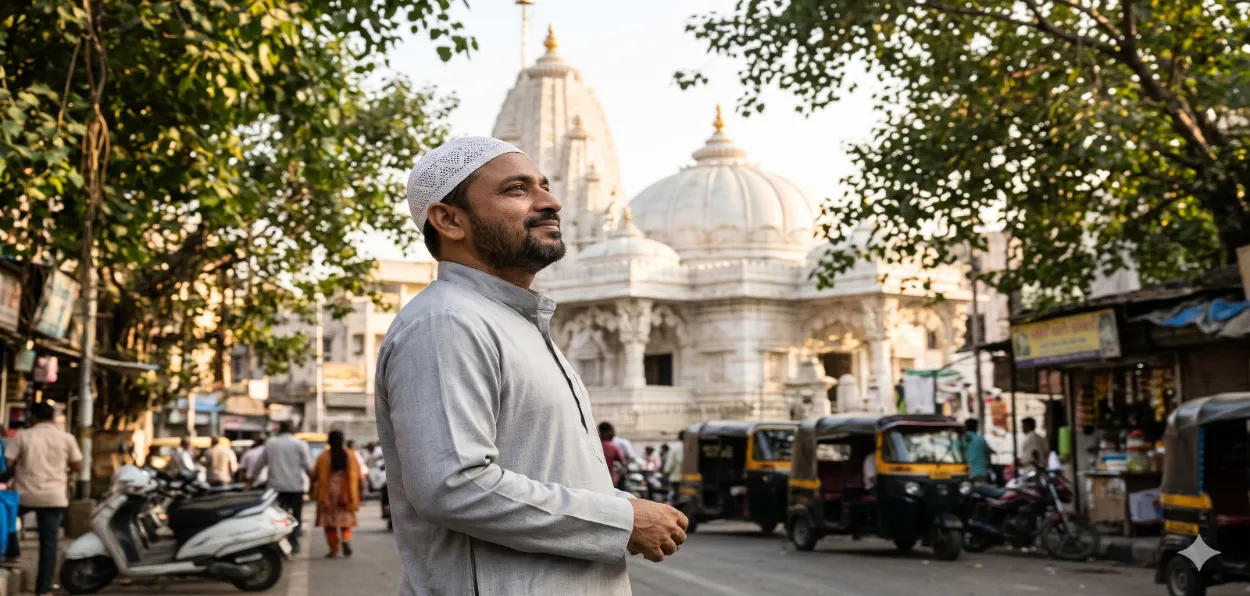
Consider the sight of an old gumbad (used in both temple and mosque structures). For many Indians, irrespective of their religious affiliations, such a structure evokes a sense of history, mystery and spirituality. Its architectural beauty and the stories embedded in its walls can move a Hindu or a Muslim in much the same way that a temple or a mosque might evoke a sense of wonder.
Similarly, when an Indian listens to a Gayatri Mantra or a Sufi song, the experience need not be confined to the boundaries of a particular faith. Music and spirituality often transcend theological distinctions. This shared cultural sensibility prevails despite the political and religious differences that frequently dominate public discourse.
A Muslim can be an excellent Hindi teacher, just as a Hindu can be a celebrated Urdu poet or ghazal singer. These are not exceptions to the Indian experience; they are expressions of it.
Think of a Bihari living in a large metropolitan city, surrounded by millions of people from different backgrounds. The moment he encounters another Bihari speaking the same dialect, an immediate connection is established. For those few moments, social status, economic standing and class distinctions become secondary. A shared language and cultural memory are enough to establish an instant bond.
When Zubeen Garg, the celebrated singer from Assam, sang Ya Ali, his music found admirers across religious boundaries. His death brought profound grief among people, including Assamese Muslims, who mourned him as one of their own. His appeal transcended the limits of religious identity.
 Bengali Aaloo Biryani
A Bengali visiting Delhi might relish a plate of aloo biryani without wondering whether the restaurant is owned by a Hindu or Muslim. Hindus and Sikhs visit Karim's near Jama Masjid to savour food prepared in a traditional Muslim household. Such everyday exchanges may appear ordinary, but they reveal something extraordinary about the cultural intimacy Indians have developed over generations.
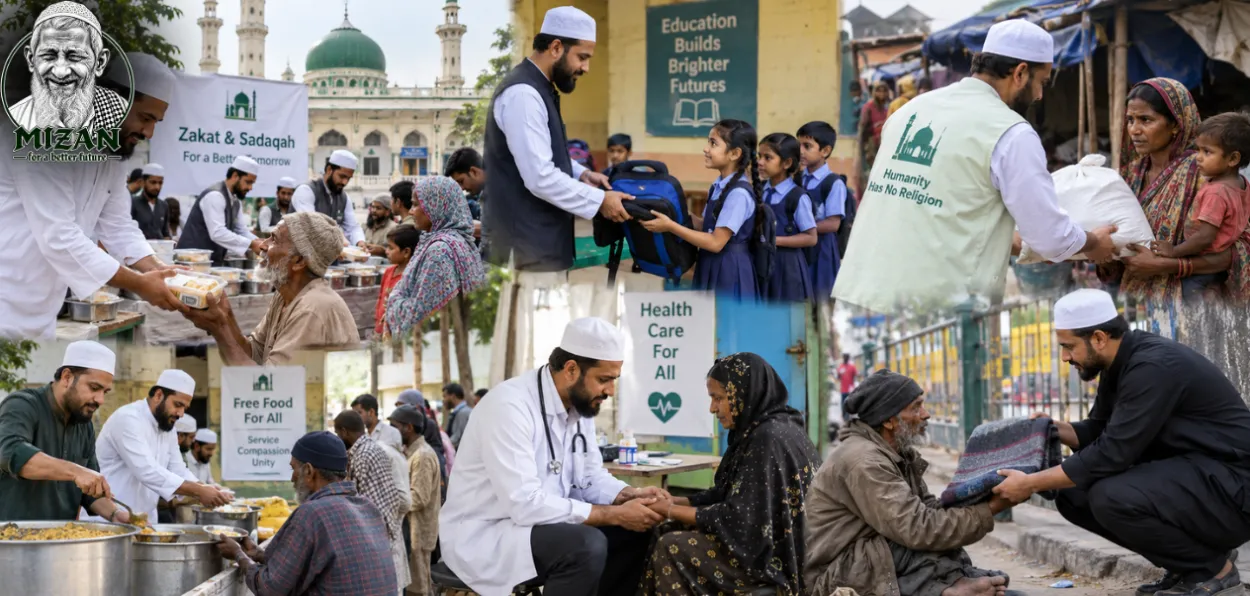
There is also a shared moral instinct that binds Indians. Poverty, deprivation and injustice evoke sympathy across religious and social boundaries. The struggle of the have-nots has historically found support among people belonging to different communities. India's collective conscience has repeatedly expressed itself through acts of solidarity and courage against injustice.
There is another deeply moving expression of being Indianness. It is the moment when an Indian hears the story of a martyr who laid down his or her life for the country. Whether experienced collectively at a public gathering or privately while watching a film, reading a story or listening to an account of sacrifice, the emotion can be overwhelming. It produces goosebumps, a lump in the throat and an inexplicable sense of belonging.
Perhaps this is the ultimate expression of being Indian: an emotion that does not require us to abandon our individual identities, religious beliefs or cultural affiliations. Instead, it brings all these identities together under a larger sense of belonging.
This is what has mystified foreigners who have travelled to India through the centuries and continues to fascinate visitors even today. They see the diversity, the contradictions and the apparent disorder. But beneath this complexity lies an emotional bond that is difficult to explain to someone who has not experienced it.
Indianness is not always proclaimed. It is often quietly experienced.
And perhaps it is when we are alone, away from the noise of competing identities and public declarations, that we feel it most deeply.
The author is Editor-in-Chief of Awaz-the Voice