

 H Abdur Raqueeb
Zakat is not just the distribution of a few kilograms of grain, some clothes, or a small amount of money as charity. The Quranic vision of Zakat is far greater: it seeks not merely to help the poor survive, but to help them rise, become self-sufficient, and eventually contribute back to society.
Zakat is the third pillar of Islam and occupies a unique place in the Islamic worldview. In the Quran, the command to establish prayer is repeatedly accompanied by the command to give Zakat.
This close association is not accidental. It reflects the fact that Islam is concerned not only with an individual’s relationship with Allah, but also with his or her responsibilities toward society.
Despite its importance, Zakat remains one of the least understood obligations among Muslims today. While tremendous effort is invested in promoting prayer, fasting, and other visible acts of worship, far less attention is given to understanding the true objectives of Zakat and its role in social transformation.
One reason for this gap is that many Muslims view Zakat through the lens of charity. In common understanding, giving something to a needy person is often considered sufficient. As long as a poor family receives some assistance, people assume that the purpose of Zakat has been achieved.
This understanding, however, reduces a powerful social institution to a temporary relief mechanism. Charity may ease a person’s suffering for a day or a week, but Zakat was designed to create lasting change. Its objective is not simply to feed the hungry; it is to address the conditions that keep people trapped in poverty.
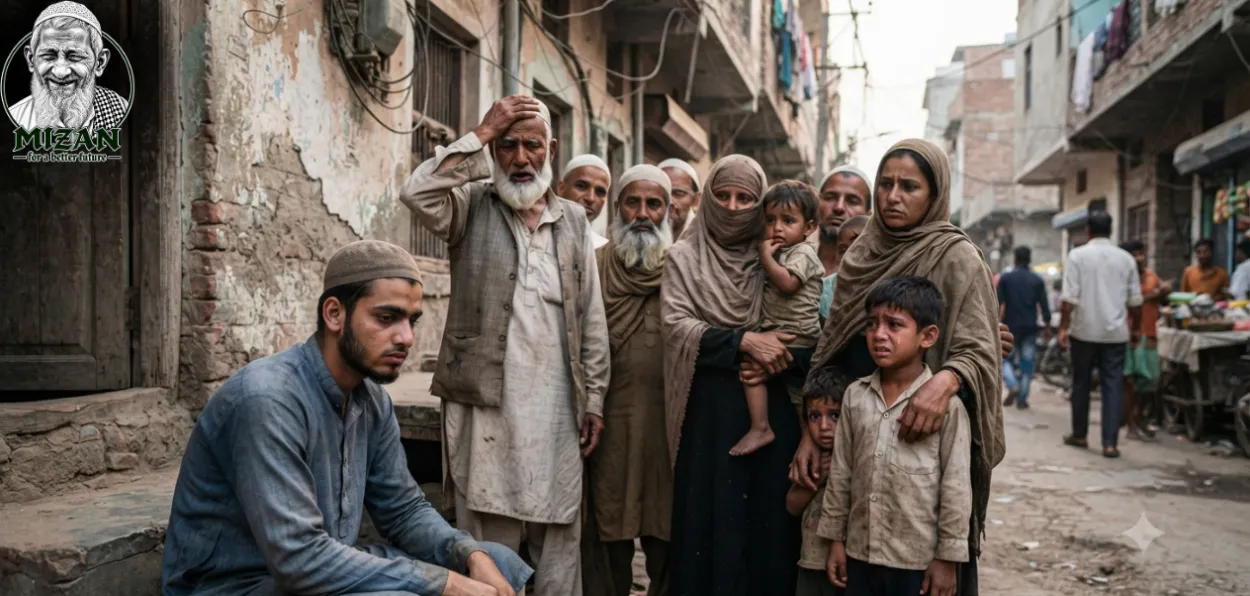
The consequences of this misunderstanding are visible across many Muslim societies. Every year, large amounts of Zakat are distributed, yet the same families continue to remain dependent on assistance. Their immediate needs may be met, but their economic condition rarely changes.
The question, therefore, is not whether Zakat is being given. The real question is whether it is being used in a way that fulfils its purpose.
The Quran clearly identifies the categories of people entitled to receive Zakat. Yet its emphasis is not merely on distribution, but on justice, empowerment, and social welfare. When Zakat is distributed without planning, its impact remains limited. When it is managed wisely, it has the potential to transform lives.
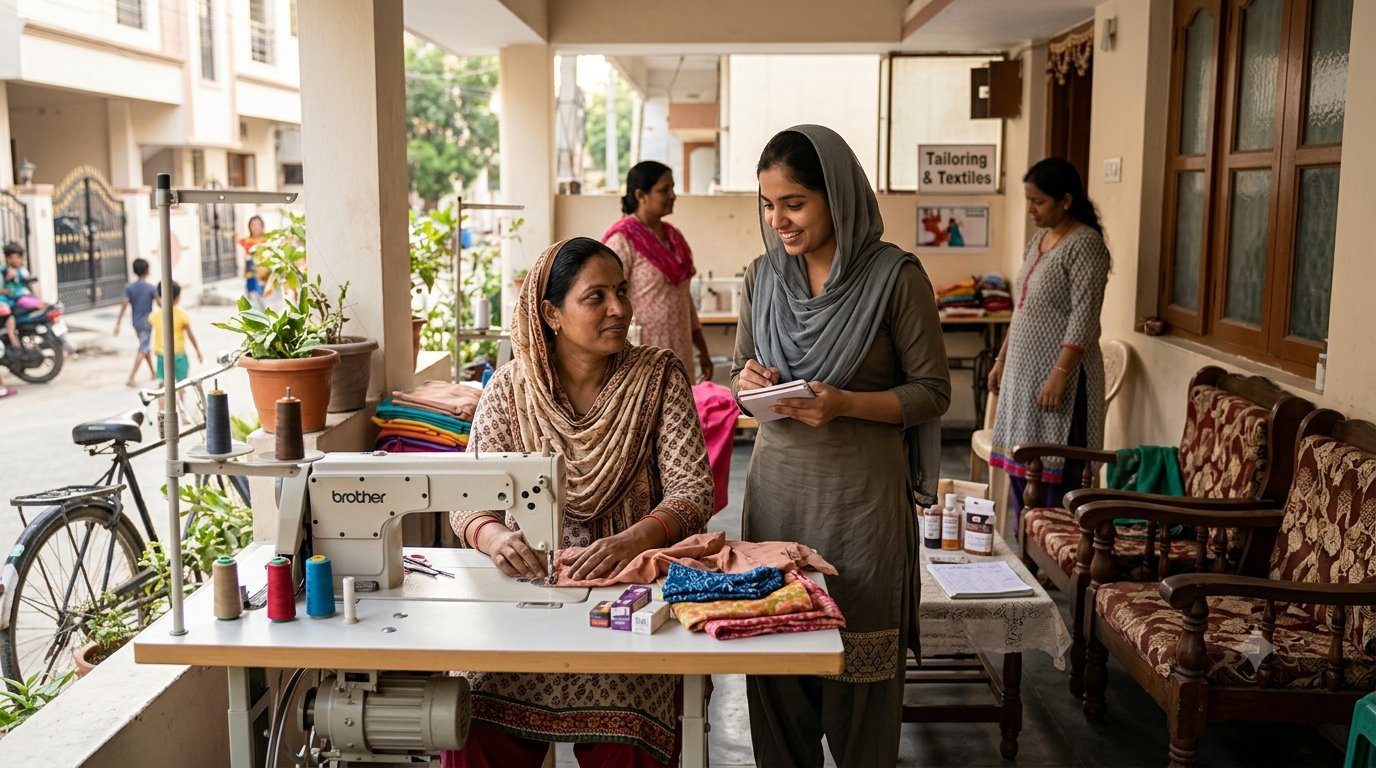
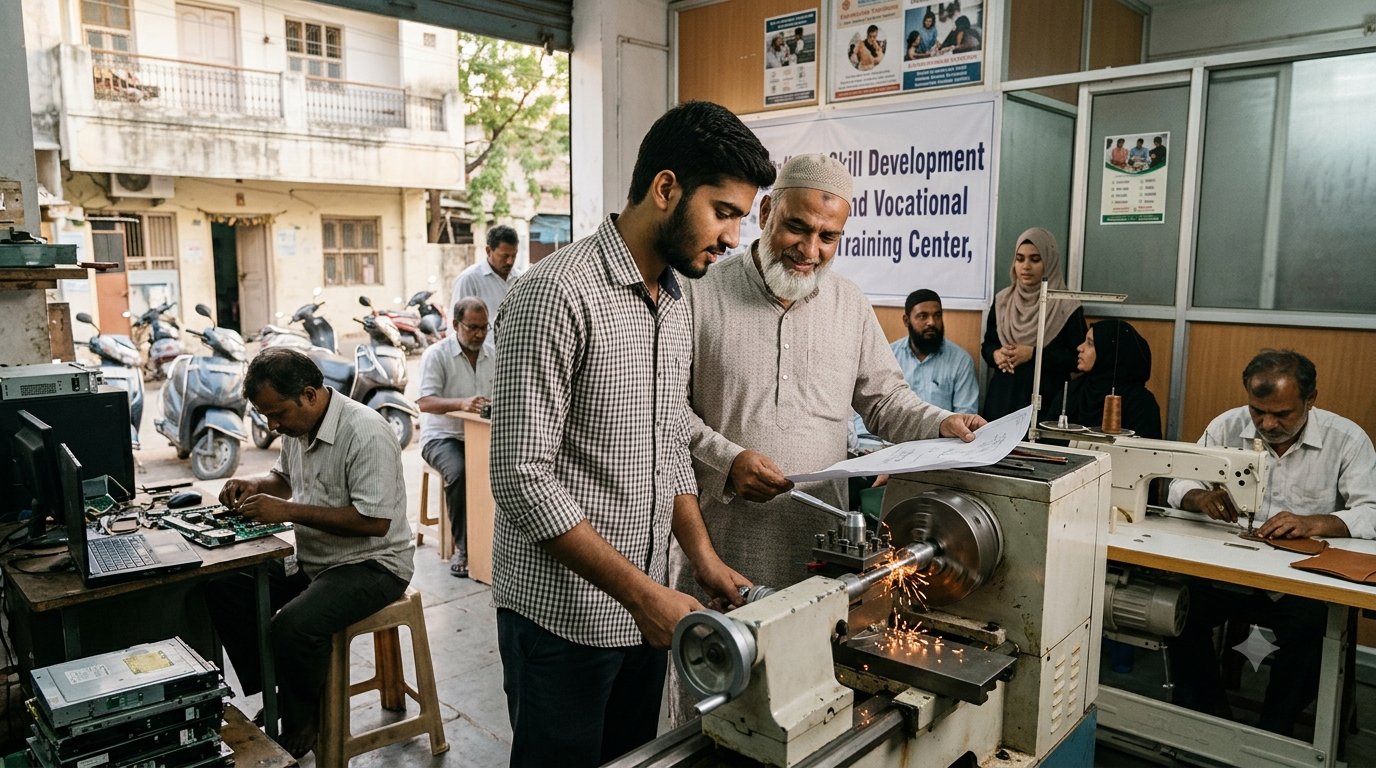
Imagine a widow receiving enough support to start a small business. Imagine a skilled worker receiving the tools necessary to earn a livelihood. Imagine a young person obtaining vocational training through Zakat funds and becoming financially independent. Such outcomes are far closer to the spirit of Zakat than temporary handouts that disappear within days.

The ideal recipient of Zakat should not remain a recipient forever. The success of the system lies in enabling today’s beneficiary to become tomorrow’s contributor. A society in which former recipients eventually become Zakat payers reflects the true success of this institution.
Islamic scholars have long emphasised that Zakat serves purposes that extend far beyond financial assistance. A careful study of the Quran and Sunnah reveals that Zakat operates simultaneously at the spiritual, social, and civilizational levels.
The first objective of Zakat is the purification of the individual. Wealth has a powerful influence on human beings. It can create greed, selfishness, and attachment to worldly possessions. Zakat acts as a remedy against these tendencies by teaching believers to share what Allah has entrusted to them.
The Quran highlights this dimension when it says: “And he who gives his wealth to purify himself.” (Quran 92:18)
The act of giving is therefore not merely about helping another person. It is also about transforming the giver. Through Zakat, wealth ceases to be an object of worship and becomes a means of serving Allah and humanity.
This idea is reinforced in another Quranic verse where Allah instructs the Prophet Muhammad: “Take from their wealth a charity by which you purify them and cause them to grow in purity.” (Quran 9:103)
The purification mentioned here is not only financial. It is moral, spiritual, and emotional. Zakat teaches believers that prosperity carries responsibility and that true success lies in benefiting others.
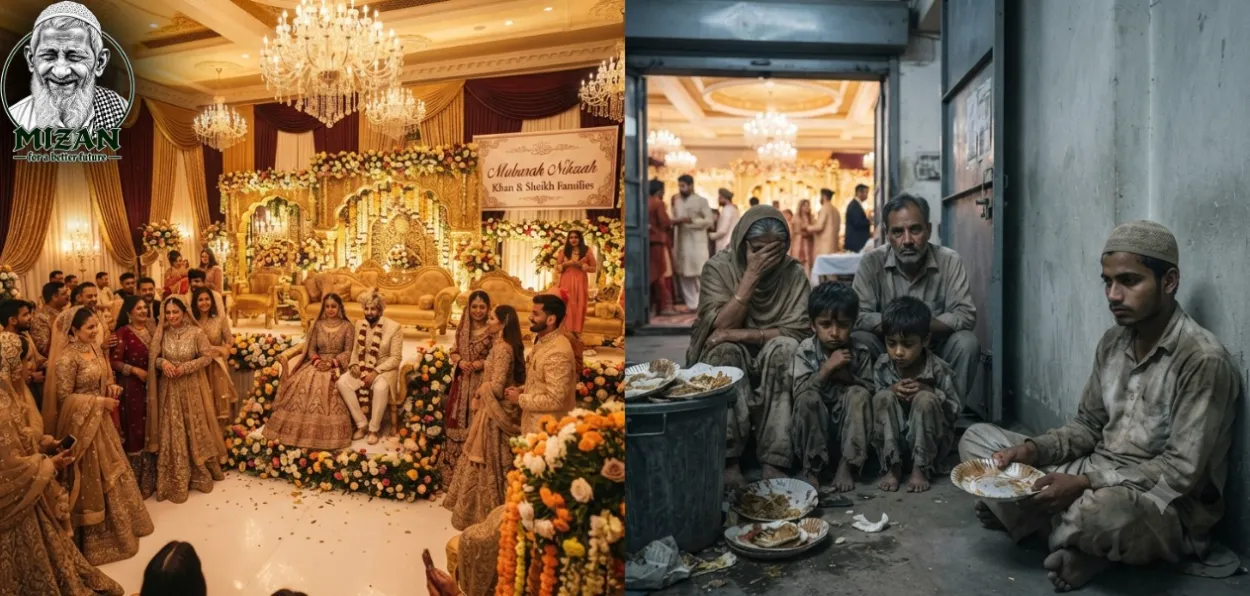
The second objective of Zakat is social welfare. Islam recognises that no community can flourish while large sections of its population remain deprived of necessities. Economic inequality is not merely an economic issue; it is also a moral challenge.
The Prophet Muhammad explained this principle with remarkable clarity. He said that Zakat is taken from the wealthy and returned to the poor among them. This simple statement establishes a profound social contract within the Muslim community.
Wealth is not meant to circulate only among a privileged few. Through Zakat, resources are redistributed so that vulnerable members of society can live with dignity and security. The purpose is not dependency, but empowerment.
When properly implemented, Zakat can help individuals overcome financial hardship, repay burdensome debts, acquire skills, establish livelihoods, and regain confidence in their future. In this way, it serves as a mechanism for social mobility rather than perpetual relief.
The third objective of Zakat is the protection and strengthening of the faith community itself. The Quran identifies several categories of recipients, including those engaged in causes that serve and support the broader interests of the Muslim community.
This broader vision reminds us that Zakat is not an isolated act of personal generosity. It is part of a comprehensive social framework designed to preserve justice, strengthen solidarity, and promote collective well-being.
Unfortunately, many contemporary discussions reduce Zakat to individual transactions. The larger vision of institution-building, community development, and poverty eradication often remains absent. As a result, enormous potential remains untapped.
What would happen if Muslim communities approached Zakat strategically? What if Zakat funds were used to create educational opportunities, vocational training programmes, small-business initiatives, and sustainable livelihood projects? The impact could be transformative.
This does not mean neglecting immediate needs. The hungry must still be fed, the distressed must still be assisted, and emergencies must still be addressed. But alongside relief, there must also be a commitment to rehabilitation and empowerment.
The distinction is important. Relief helps a person survive today. Empowerment helps them build a future. Zakat was designed to achieve both.
The challenge before contemporary Muslims, therefore, is not merely to increase the amount of Zakat collected. The greater challenge is to rediscover its original purpose. We must move from a culture of distribution to a culture of transformation.
When understood correctly, Zakat becomes much more than an annual obligation. It becomes a means of purifying hearts, reducing inequality, restoring dignity, and strengthening society. It turns compassion into a system and generosity into a force for lasting change.
ALSO READ: Imam's responsibilities are beyond leading prayers
The success of Zakat is not measured by the amount of wealth distributed. It is measured by how many lives have been changed; families extricated from poverty, and, most importantly, recipients turned givers in the long run. That is the vision of the Quran, which is as relevant today as it was 14 centuries ago.
H Abdur Raqeeb is the General Secretary of Indian Center for Islamic Finance. He is based in Chennai