Daulat Rahman/Guwahati
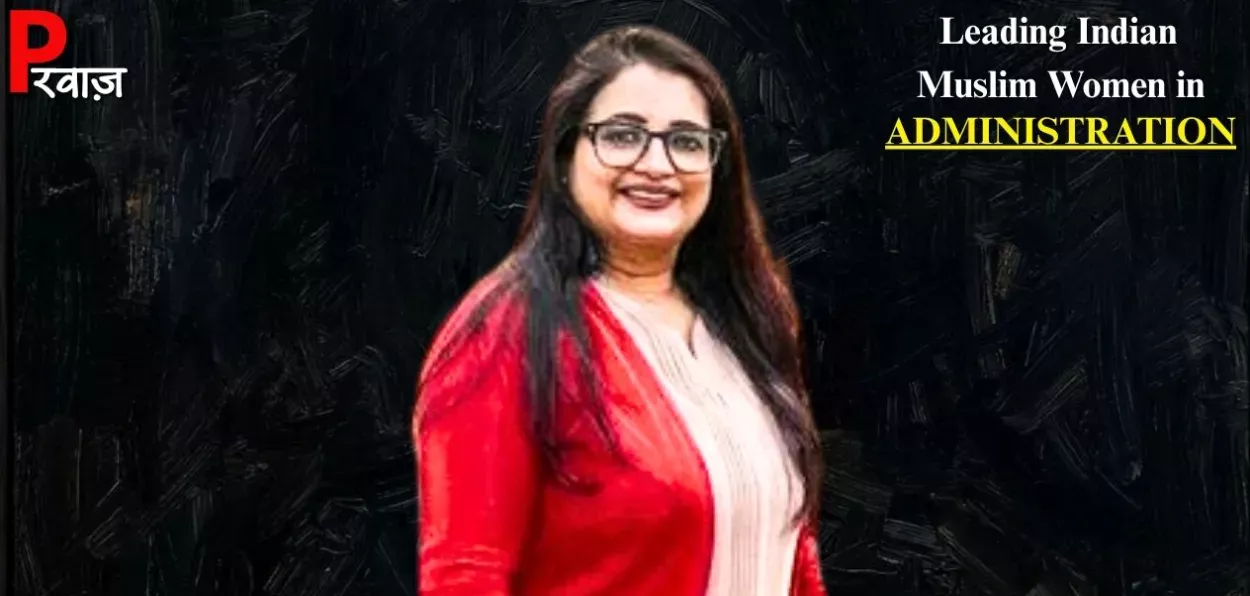
In a quiet corner of Assam’s academic and cultural landscape, a young archaeologist is steadily rewriting the narrative of heritage preservation. Dr Chabina Hassan, Deputy Director at the Directorate of Archaeology, Assam, represents a rare blend of resilience, passion, and purpose. Her journey—from a student of anthropology to a key figure behind one of India’s most significant heritage recognitions—speaks not only of professional success but also of personal transformation and perseverance.
An alumna of St. Mary’s Convent in Guwahati, Dr Hassan pursued her higher education at Cotton College before completing her Master’s in Anthropology with a specialisation in Advanced Prehistoric Archaeology from Gauhati University. Her received her PhD degree in 2021, on the rock-cut images of Ganesha in the Kamrup district.
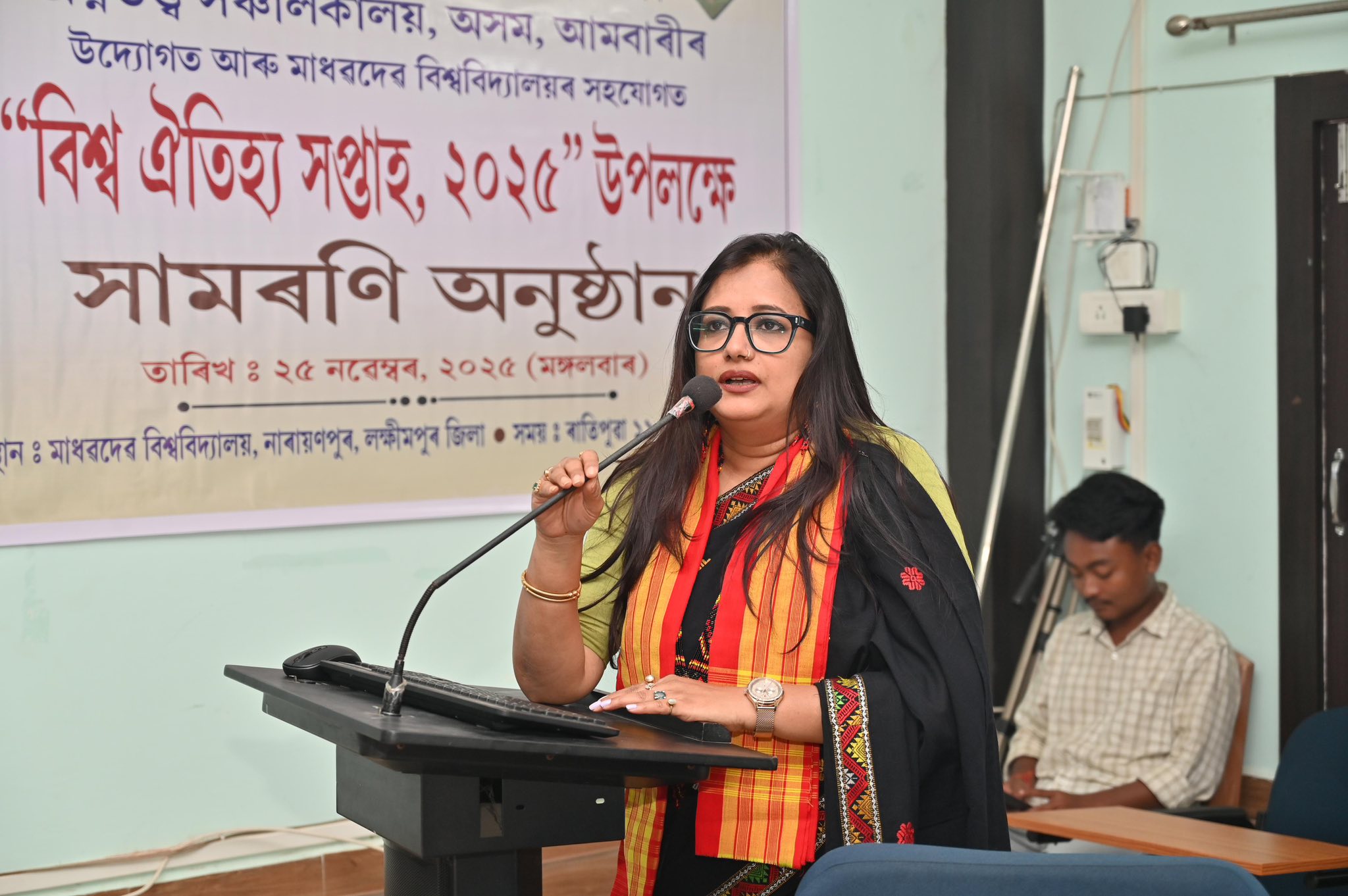 Chabina Hassan in an event
However, her path into archaeology was not a pre-planned ambition. Early marriage shifted her priorities, and what began as a necessity to build a career soon evolved into a lifelong passion.
Leaving behind her young child during expeditions was difficult, but her growing fascination with the discipline helped her persevere. Over time, the thrill of uncovering history and connecting with the past transformed her into a committed archaeologist.
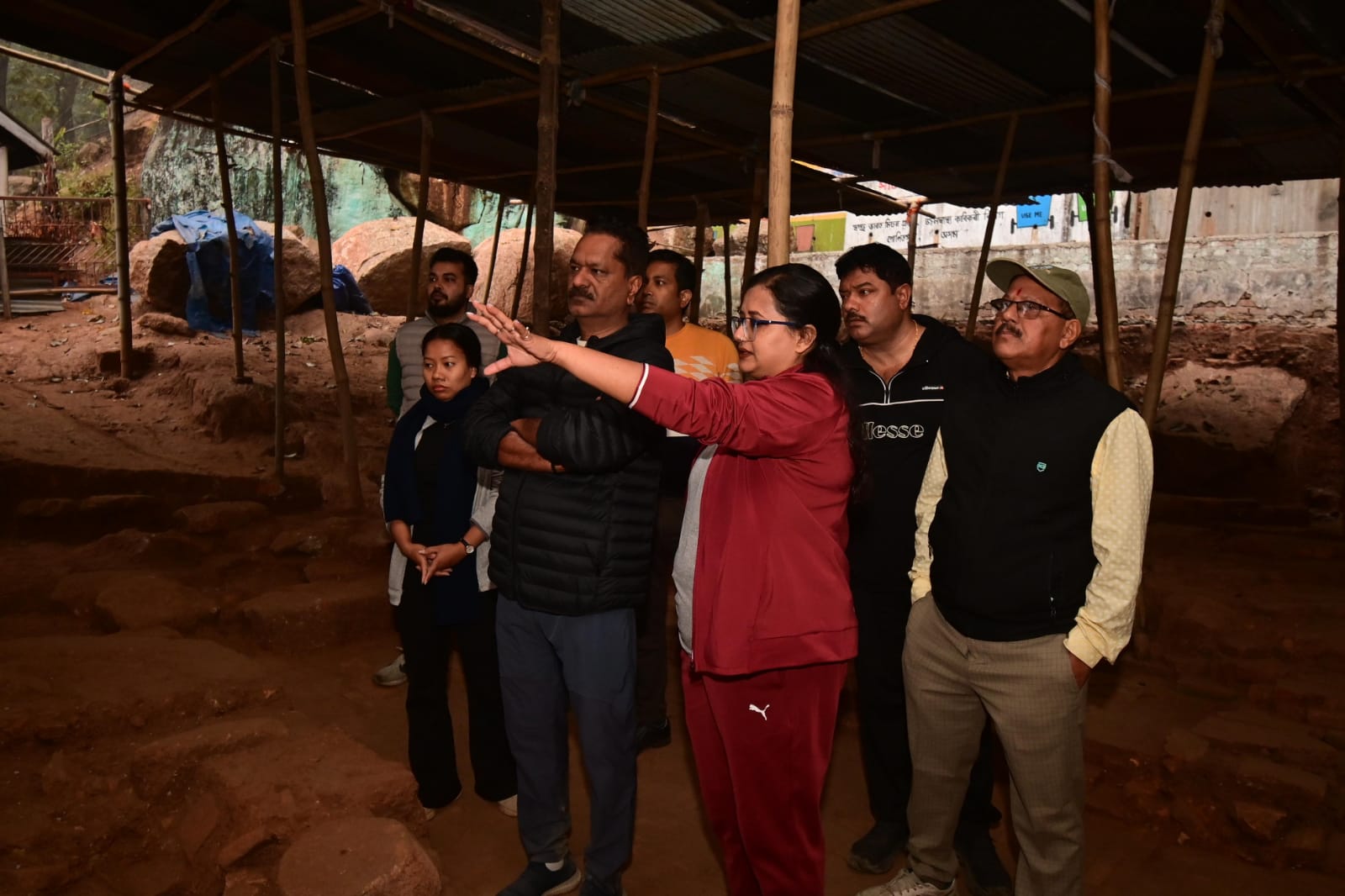 Chabina Hassan with Assam Minister Ashok Singhal
Today, she describes the experience of holding artefacts and piecing together human history as nothing short of “magical.”
As Technical Officer and later Deputy Director during the three-year project, she was deeply involved in every phase—from excavation and site management to establishing a museum and tourist information centre.
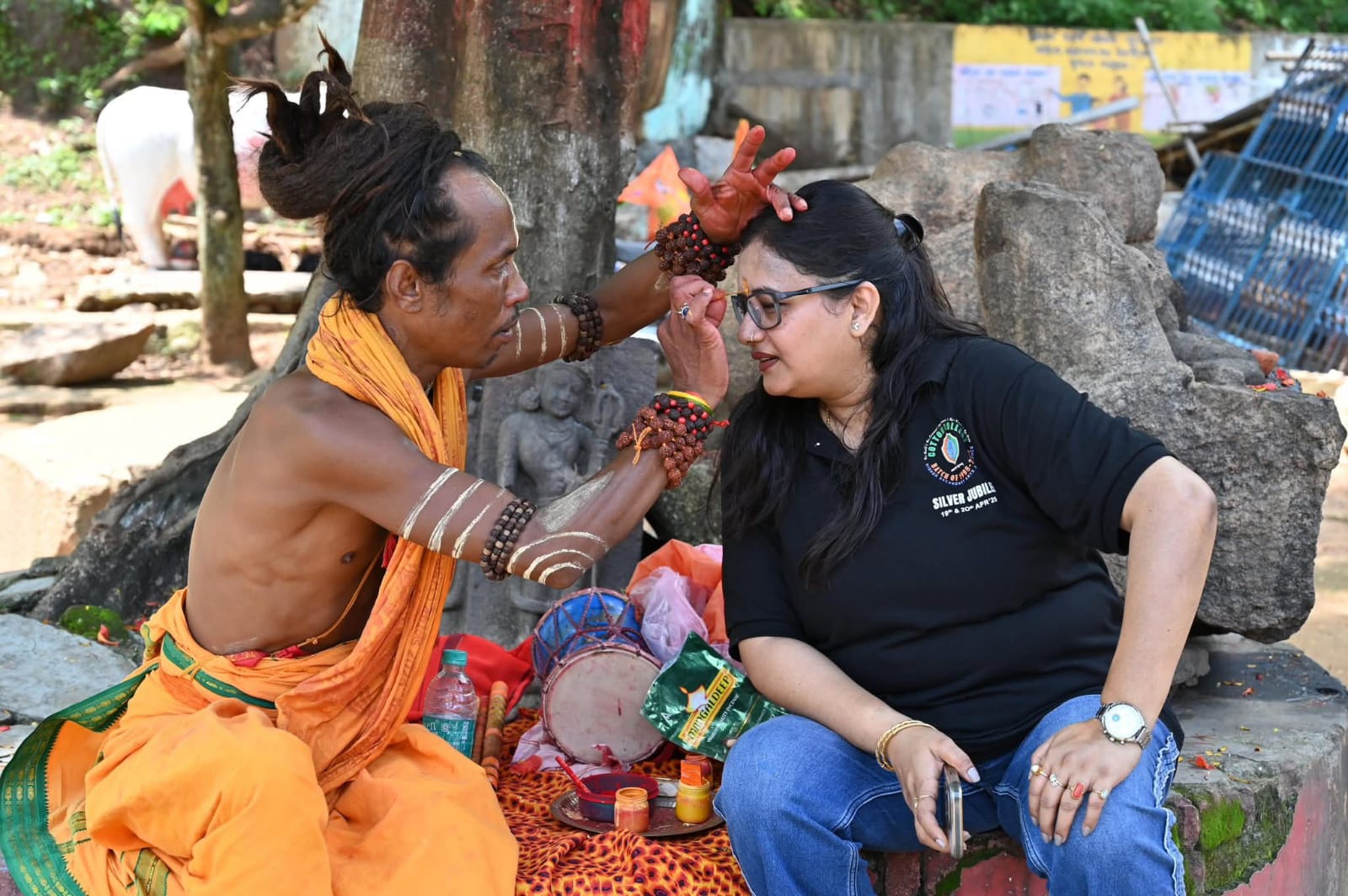 Chabina Hassan during field work
The process, however, was far from easy. Winning the trust of local communities proved to be the biggest hurdle, requiring nearly a year of sustained engagement and dialogue.
The eventual success, she notes, was a testament to teamwork, persistence, and a shared commitment to preserving cultural heritage.
Beyond her achievements in the field, Dr. Hassan’s contribution to society through her role in the state administration is both significant and far-reaching. By working within the government framework, she plays a crucial role in shaping policies for heritage conservation, ensuring that Assam’s rich historical legacy is preserved for future generations.
 Chabina Hassan During a Workshop
Her efforts help bridge the gap between administration and local communities, fostering awareness, participation, and a sense of ownership among people toward their cultural assets.
Through initiatives such as developing site infrastructure, promoting heritage tourism, and encouraging community involvement, she is not only safeguarding the past but also contributing to sustainable livelihoods and regional development. Her work demonstrates how archaeology, when supported by effective governance, can serve as a powerful tool for education, identity-building, and socio-economic growth.
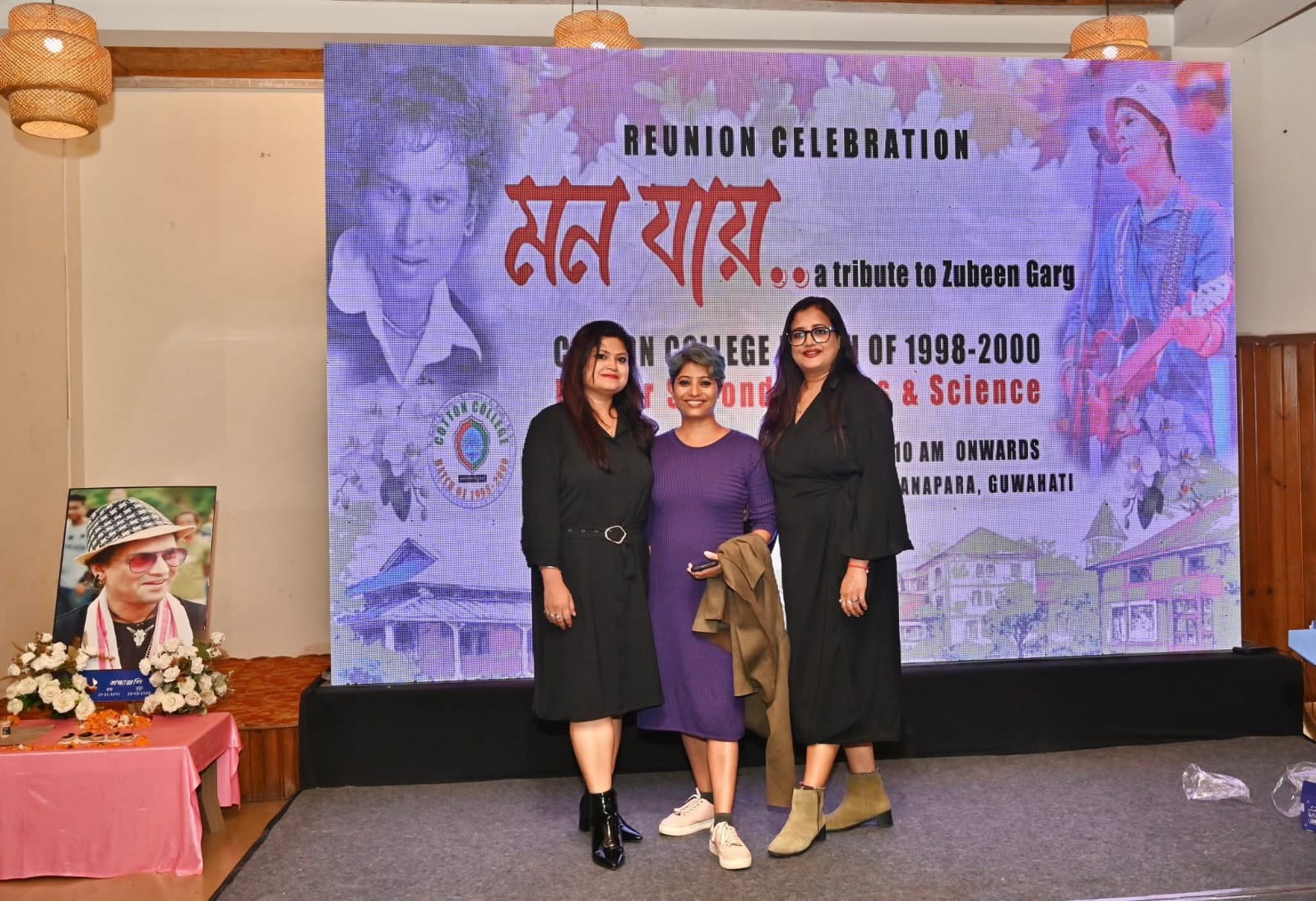
Chabina Hassan with her friends
Dr. Hassan’s work extends beyond Charaideo. Among her most remarkable projects is the excavation at Khobak village in Dima Hasao district. Conducted under challenging conditions—without electricity or network connectivity—the project led to the discovery of rare megalithic structures unlike any previously recorded in India.
These unique monuments, resembling ancient stone jars found in Laos, hint at ancient migration patterns and connections with Southeast Asia. The findings could significantly reshape the understanding of prehistoric cultures in Northeast India.
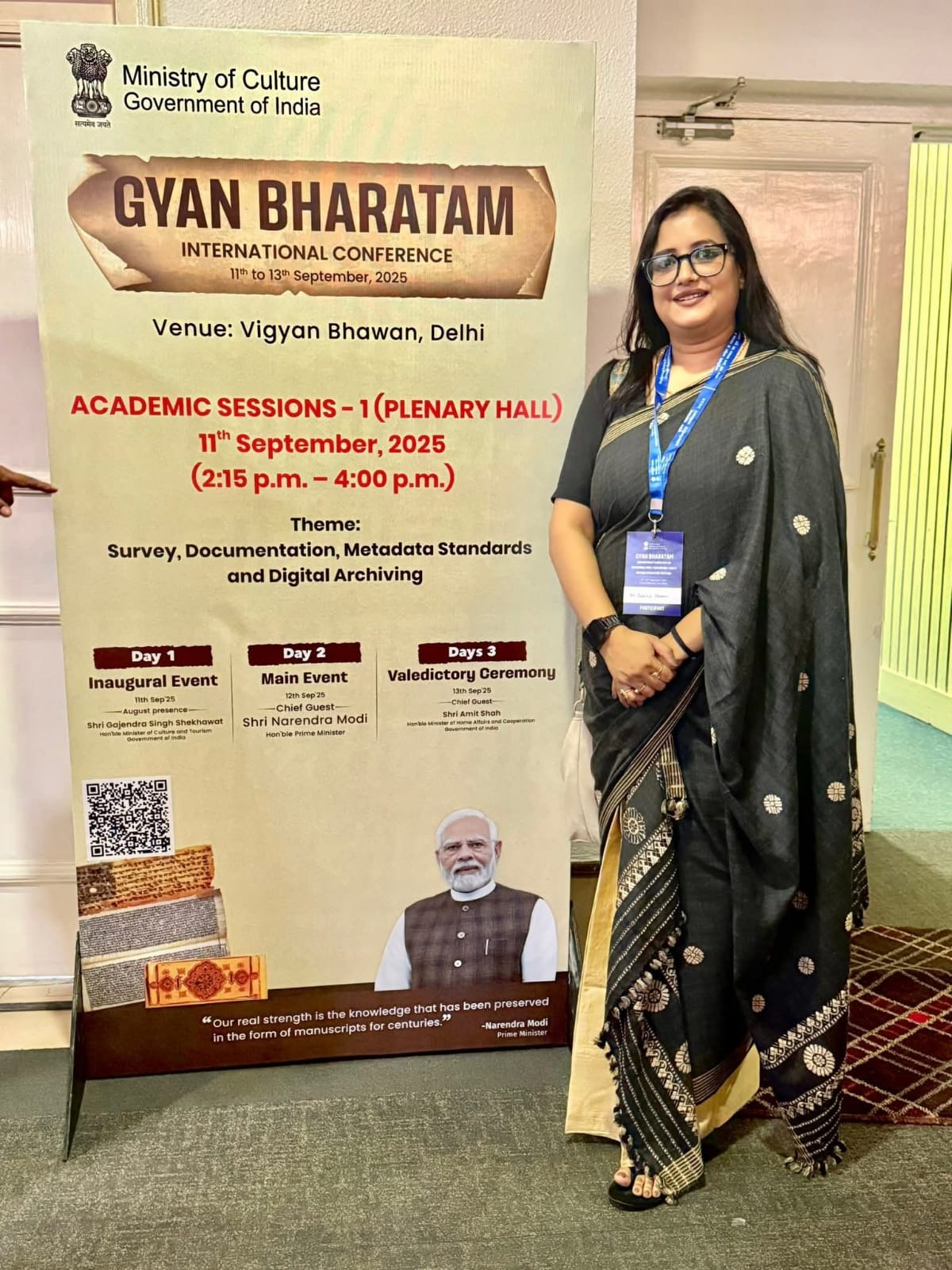
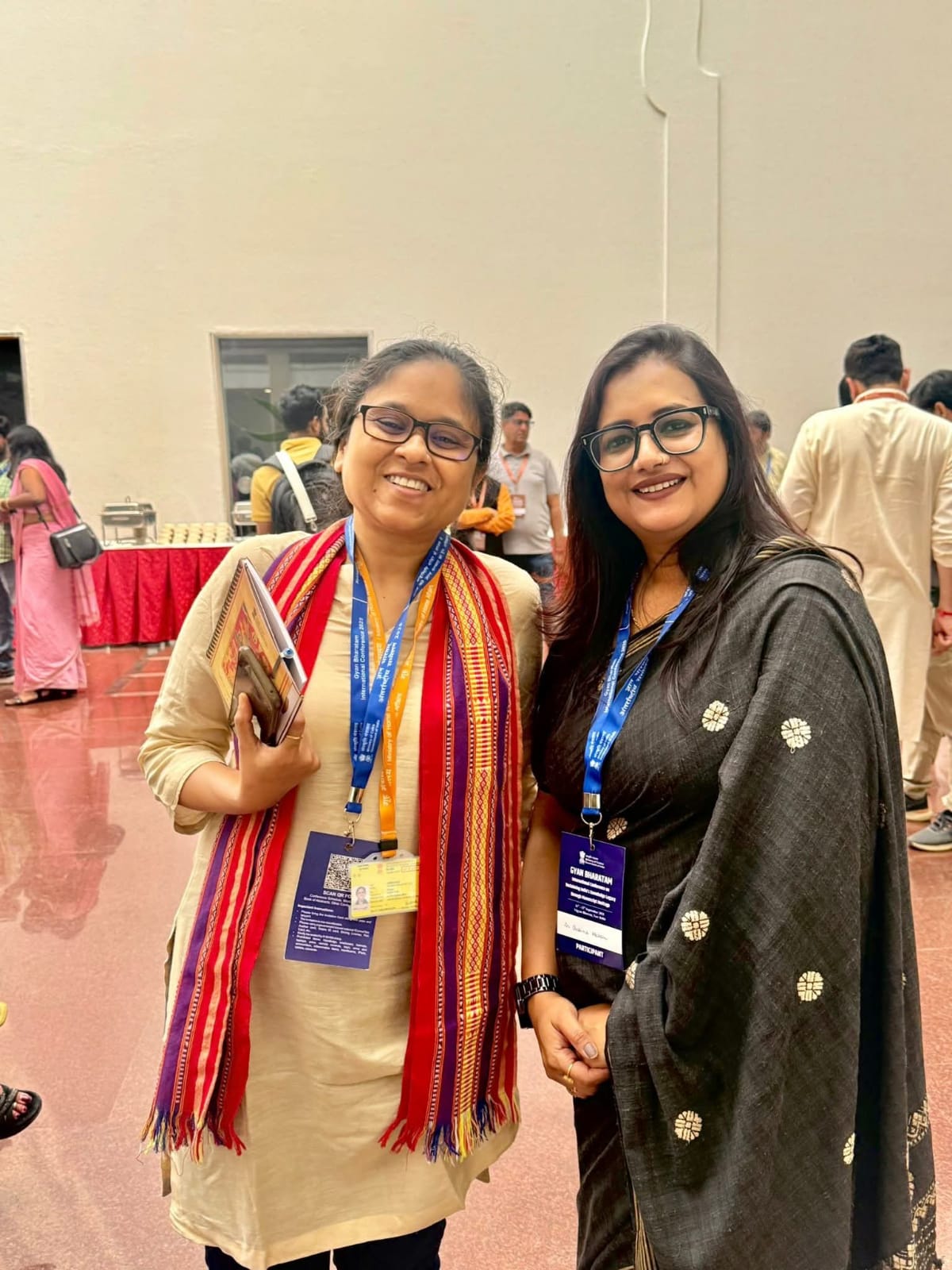
Chabina Hassan in an event in Delhi
Her contributions have not gone unnoticed. The Charaideo project earned her and her team the prestigious Karmashree Award, the Assam Chief Minister’s recognition for excellence in public administration for 2023–24—a moment she describes as adding “a diamond to her tiara.”
Looking ahead, Dr. Hassan is focused on making archaeology more inclusive and accessible. With 171 archaeological sites across Assam and a limited workforce, she emphasises the importance of community engagement, collaboration, and the use of modern technology in conservation efforts.
Beyond fieldwork, she is also committed to academic writing and outreach, aiming to spark curiosity among young minds and instill pride in cultural heritage.
_in_her_field_work.jpeg) Chabina Hassan (left) in her field work
Chabina Hassan (left) in her field work
Addressing societal perceptions, particularly regarding women in professional roles within the Muslim community,
Dr. Hassan reflects on her own experience with gratitude. Supported by a progressive father and an encouraging family, she was never forced to compromise her ambitions. She believes that a supportive environment and the right mindset are crucial in empowering women to pursue their goals.
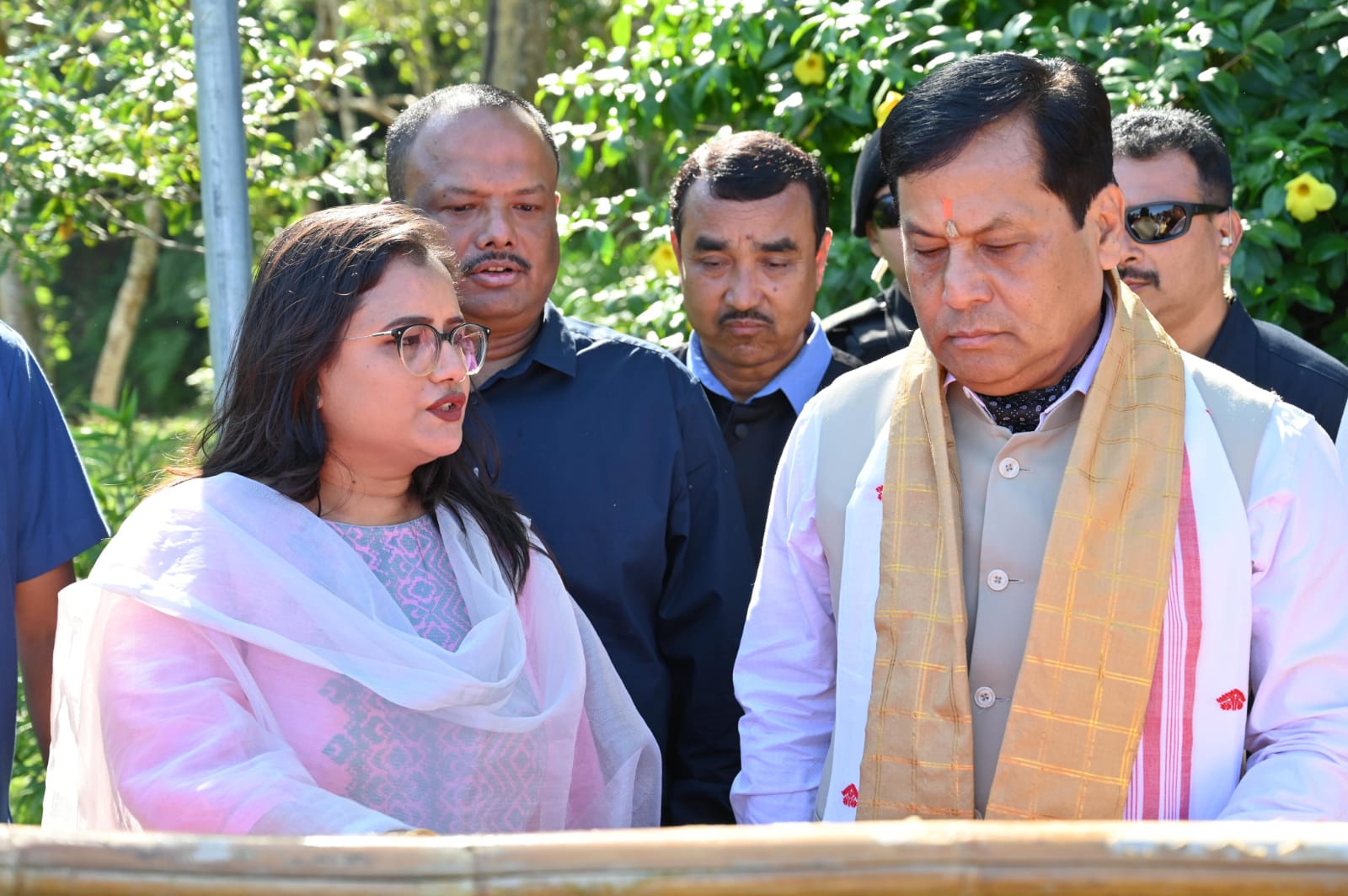 Dr Chabina Hassan with Union Minister Sarbananda Sonowal
On the question of declining interest in history among younger generations, she offers a balanced perspective. While traditional teaching methods may seem dull, she firmly believes that history and archaeology can become engaging when presented through stories and real-life experiences.
“The past has so much to teach us,” she emphasises, advocating for more interactive and relatable approaches to learning.
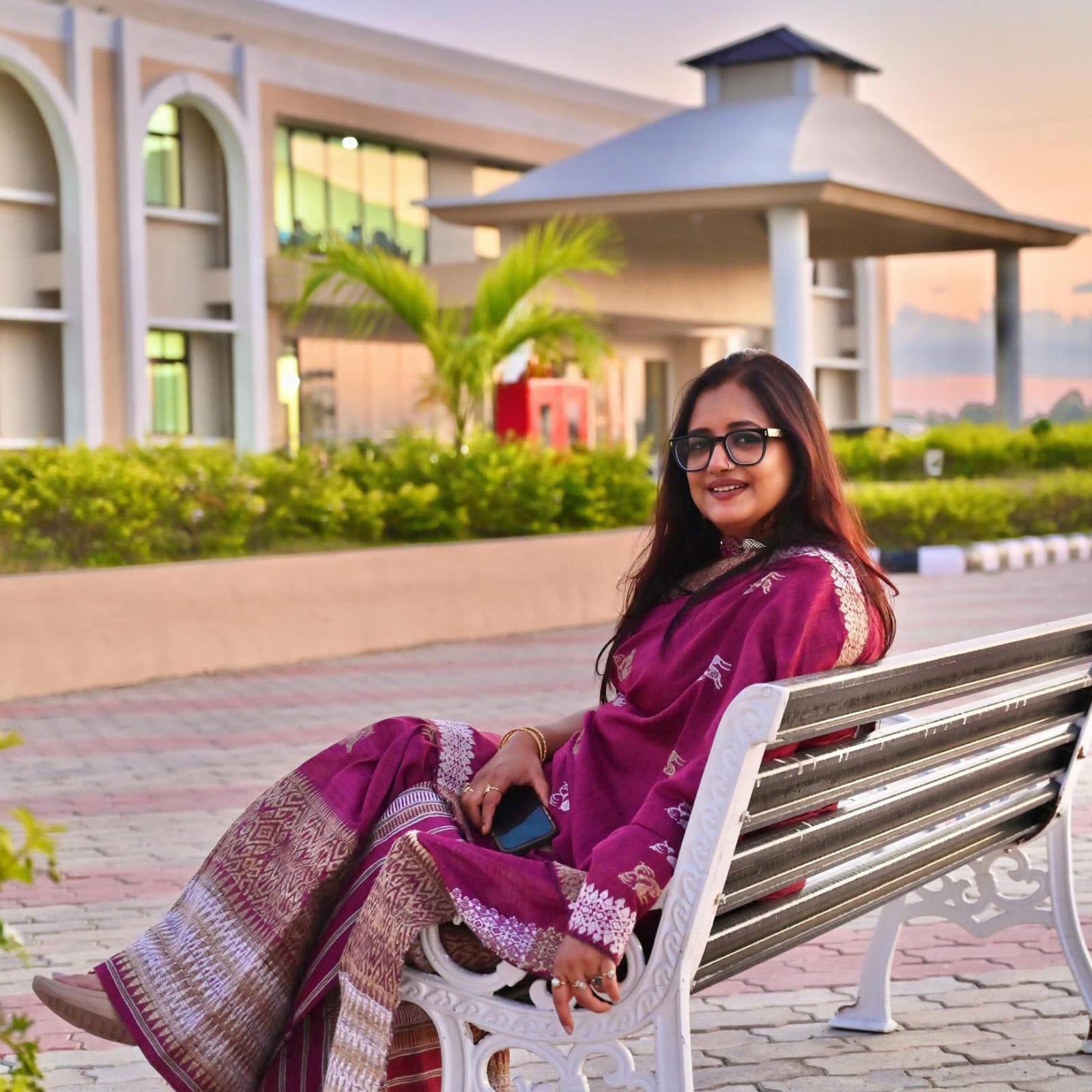 Dr Chabina Hassan
Beyond her professional identity, Dr. Hassan reveals a softer, creative side. A passionate cook, she enjoys experimenting in the kitchen, blending flavors much like she connects fragments of history. A mother of a 20-year-old, she quietly nurtures a dream of becoming a culinary expert—proving that even those who dig into the past can continue to dream about the future.
READ MORE: Dr Adeela Abdulla IAS: The officer behind systems that touch everyday lives
Dr. Chabina Hassan’s story is not just about excavations and discoveries—it is about courage, adaptability, and the enduring quest to connect people with their roots. In doing so, she is not only preserving history but also actively contributing to society by strengthening cultural awareness, supporting community development, and shaping a more informed and heritage-conscious future.

_(1).jpg "Visitors gather at the Santosh Mitra Square Durga Puja pandal, themed on the 150th anniversary of Vande Mataram and its historic role in India's freedom movement, ahead of the festival, in Kolkata")
.jpg "Gujarat’s women entrepreneurs bring their craftsmanship to life during Navratri")







_(4).webp)
_(2).webp)