




Sreelatha M/Thrissur
When Mumtaz Thaha won the Thrissur Corporation election from Kannankulangara in August, it was more than an election victory. She became the first Muslim woman councillor in the history of the Thrissur Corporation — and did so as a BJP candidate in a ward where nearly 90 per cent of voters are Hindu.
For Thaha, however, her religious identity was never a means for her political journey. “For the voters and for the party, I was not just a Muslim,” she says. “I was the daughter of Kannankulangara.” That sense of belonging, built over years of growing up in the ward, proved crucial as she navigated scepticism, curiosity and repeated questions about why she chose the BJP.
Those questions followed her through the campaign for the local body elections. Kannankulangara had earlier been represented by a BJP councillor from the Hindu community, and the change in candidate profile was noticed immediately. “People were curious,” she recalls. “They wanted to know who I was and why I was here.”
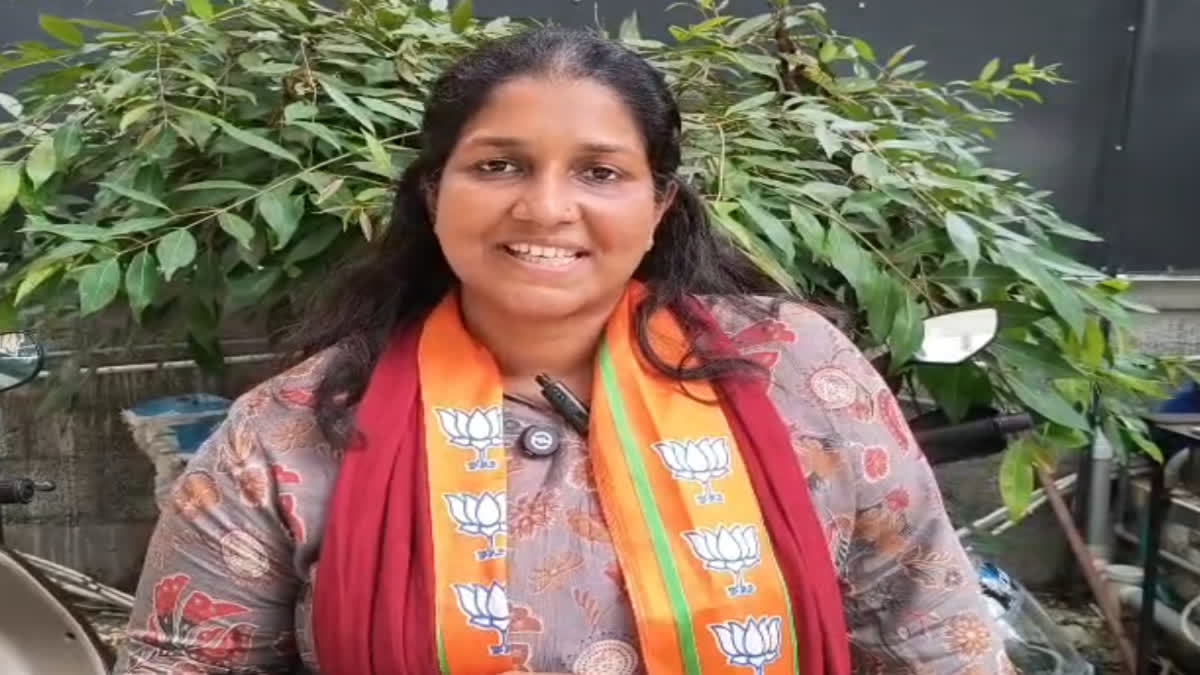 Mumtaz Thaha
Thaha, 38, responded by returning again and again to the same households. “During the second visit, people asked questions. By the third or fourth visit, it became easier,” she says. Her familiarity with the area — she had grown up there — helped ease apprehensions and build trust beyond religious identity.
Her political interest, she says, did not begin with any ambition to contest elections. Growing up in a household with strong Tamil connections, she was exposed early to stories about former Tamil Nadu chief minister J Jayalalithaa, whom she continues to refer to fondly as ‘Jayamma’. Family friends in Chennai were active members of the AIADMK, and political discussions were part of her childhood environment.
After Jayalalithaa died in 2016, several of these friends left the AIADMK and joined the BJP. One of them suggested Thaha’s name to the party leadership in Chennai, citing her interest in public affairs. The proposal was accepted, but her association with the party in Tamil Nadu was brief. A few years later, she moved back to Thrissur.
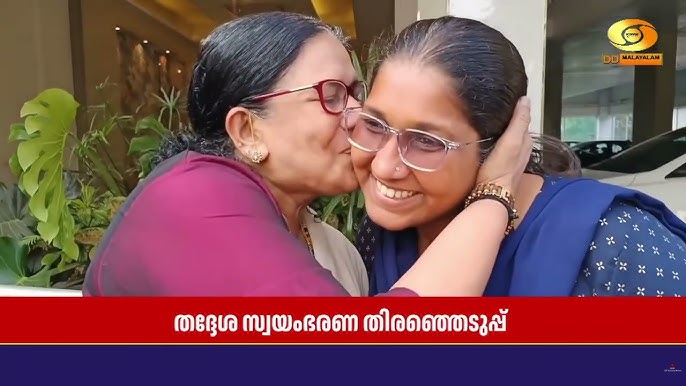 Mumtaz Thaha with her mother after her victory
It was her father who encouraged her to begin political work in Kerala. “He wanted me to gain experience here, starting with the parliamentary elections,” she says. Thaha began working actively for the BJP during the 2024 Lok Sabha campaign, when actor Suresh Gopi contested and won the Thrissur seat. “That opportunity helped me understand the party’s work in the district and also helped later, when I was asked to contest the corporation elections,” she says.
The question of why she chose the BJP continues to follow her. Thaha acknowledges that it has not been easy, either within sections of the party or within her own community. “It is a challenge to win confidence, especially because I did not join the party here originally,” she says. Some relatives, she admits, are unhappy with her political choices.
Referring to the widespread perception of the BJP as anti-minority, Thaha dismisses it as a narrative that does not reflect her lived experience. “Many people in my community are not ready to accept a changing reality,” she says, adding that attitudes, particularly among minorities, are slowly shifting. She points out that the BJP district president in Thrissur is a Christian, arguing that the party should not be seen solely through a religious lens.
Thaha is part of the BJP’s Minority Morcha and says one of her priorities is to encourage Muslim women to focus on education and informed decision-making. “Education gives women the confidence to choose for themselves,” she says.
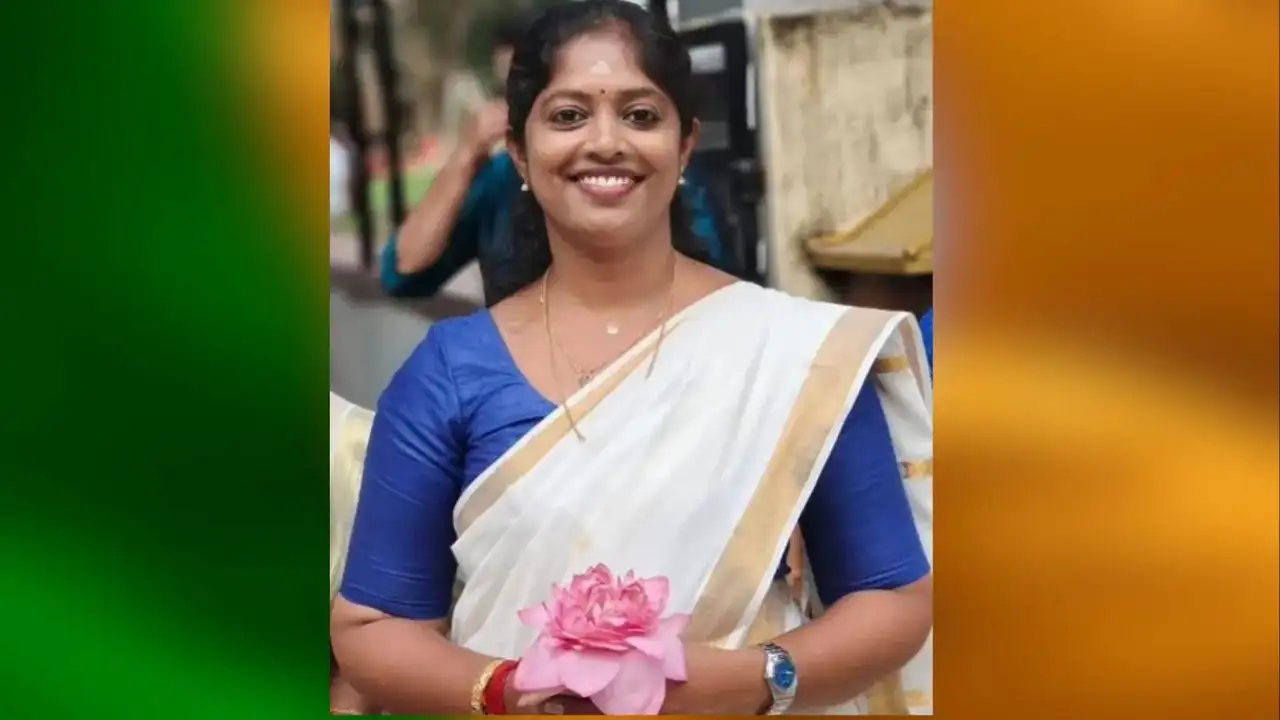 Mumtaz Thaha
Her election win has come with its own demands. The work, she admits, is hectic, leaving little time for family. Her mother helps care for her 13-year-old son, while her husband and father, who run a business together, remain her strongest supporters. Thaha also runs a pet grooming centre in her ward called Nala — meaning ‘queen’ in Swahili — which doubles as a space from which she manages meetings and communication.
As a first-time councillor, she says she is still learning the ropes of local governance. With assembly elections approaching, political activity has intensified. “The next few months are crucial,” she says. “I have told my family I will be very busy.”
Despite being inspired by Jayalalithaa, Thaha is quick to distance herself from comparisons. “One has to walk through fire to be a Jayalalithaa. There is no replacement for her,” she says firmly. What she does seek to emulate is a style of working that prioritises grassroots engagement. “She always worked from the bottom to the top, not the other way around,” Thaha says.
Asked about her political ambitions, she downplays them. “I am only focusing on these five years,” she says. “I need to earn the trust of the party and my voters. Leadership is not about holding on to a seat forever.”
For now, Thaha’s attention remains firmly local — addressing issues in her ward, strengthening the BJP’s presence in the area and building bridges of confidence across communities. It is a deliberate modest vision, shaped less by grand political aspiration than by everyday work on the ground.
ALSO READ: J&K's only woman CM Mehbooba Mufti injected compassion into politics
As she moves between her ward and her grooming centre, meeting residents and fellow councillors, Thaha holds close the lesson she absorbed early on from her political hero: that meaningful politics begins at the grassroots and grows upward and not the other way round.









_(1).jpg)
_(4).webp)