Beijing
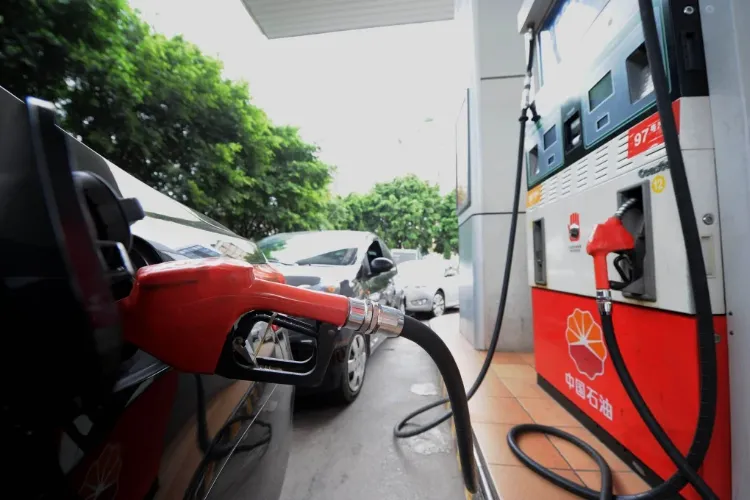
China on Tuesday announced an increase in gasoline and diesel prices for the second time in about a fortnight due to rising international oil prices triggered by the ongoing war in West Asia.
China's top economic planner, the National Development and Reform Commission (NDRC), announced that the new round of price hikes will take effect from Wednesday.
China already increased gasoline and diesel prices on March 23 as part of preparations for a fuel crisis amid apprehensions around the current US-Israel-Iran war.
Since the adjustment of domestic oil prices in late March, international crude oil prices have experienced significant fluctuations, the NDRC said in a statement.
Because of control measures, the prices of gasoline and diesel will increase by 420 yuan (USD 61) and 400 yuan (USD 58) per tonne, respectively, it said.
China's three biggest oil companies, namely China National Petroleum Corporation, China Petrochemical Corporation and China National Offshore Oil Corporation, as well as other refineries, have been directed to maintain production and facilitate transportation to ensure stable supplies, it said.
The NDRC also called on relevant authorities to intensify their market supervision and inspection efforts.
They should implement strict measures to crack down on activities that violate national pricing policies to ensure market order, the state-run Xinhua news agency reported, citing the NDRC statement.
China reportedly has about four months of emergency reserves of oil.
The country depends on imports for about 70 per cent of its crude oil, with roughly 45 per cent of imports linked to flows through the Strait of Hormuz, implying about 30 per cent of its total oil supply is exposed to Hormuz disruptions.
READ MORE: Against odds, Saba Anjum becomes India’s speedy forward
Analysts say China’s energy consumption and power generation mix suggest that it is less exposed to energy supply shortage from Hormuz disruptions than most major economies and Asian peers.
China has both gas pipelines connected through its borders with Russia and has long-term energy supply contracts with Moscow.


.webp "S. Irfan Habib with Saquib Salim in Deen Aur Duniya")








.webp "Representational Image")


.webp)