New Delhi
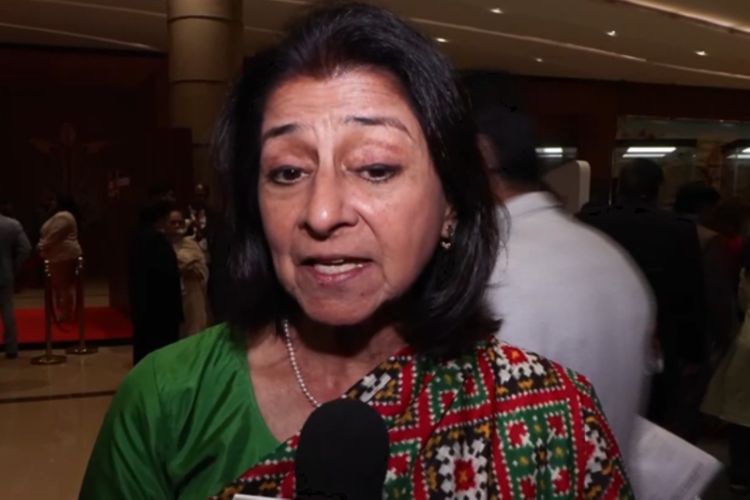
India has the potential to replicate its success in the pharmaceutical and information technology sectors across emerging industries such as electronics, which could emerge as major export drivers while also supporting import substitution, said Naina Lal Kidwai, Economist, former banker and Founder and Chair of Rothschild India.
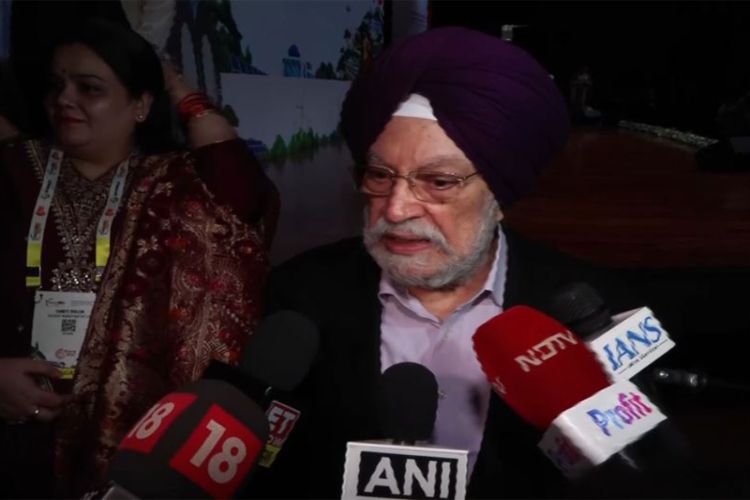
Speaking to ANI on the sidelines of the Federation of Indian Chambers of Commerce and Industry's (FICCI) Annual General Meeting and Annual Convention, Kidwai expressed confidence that India's export growth momentum could continue, citing the country's achievements in pharmaceuticals, information technology, electronics and automobile manufacturing.
"I see no reason why not, because we've seen the success in the electronics sector. India, in any case, is the pharmacy to the world, and we've seen success in the IT sector. We have shown that in the sectors we choose to embrace, we can succeed, and it is now for us to widen that success," she said.
Highlighting the potential of emerging industries, Kidwai said India was witnessing similar progress in automobiles and auto ancillaries, while defence and electronics could emerge as significant contributors to the country's exports.
"We are looking at new sectors like defence and electronics, which at one level are import substitutes, but at another level can be huge export drivers as well," she added.
Referring to Prime Minister Narendra Modi's address to the industry, Kidwai stressed the need for Indian manufacturers to focus on producing quality goods for international markets while strengthening domestic industrial capabilities.
She emphasised that India should look beyond its domestic market and tap global opportunities by encouraging investment in manufacturing and building a resilient industrial ecosystem.
"We have to make quality goods not just for India but for export. Let's embrace global markets. Let's invest in India for global markets and let's look at import substitution so that we have a resilient domestically dependent industry," she said.
She also highlighted India's dependence on imported active pharmaceutical ingredients (APIs), intermediate products and steel, referring to the Prime Minister's emphasis on strengthening domestic manufacturing.
On the energy front, Kidwai said the government had cushioned the impact of the fossil fuel crisis by maintaining imports from Russia and providing a buffer against fluctuations in domestic fuel prices.
She noted that elevated crude oil prices were contributing to inflationary pressures, while improved movement of shipments through the Strait of Hormuz could help India restore its import flows.
READ MORE: After 37 years, Kashmir turns a page as the last terrorist falls
Highlighting the significance of easing global crude prices for the Indian economy, she said a decline in international oil prices would benefit the country.
"Clearly, the price of Brent and crude coming down is going to be a winner for us," she said.