New Delhi
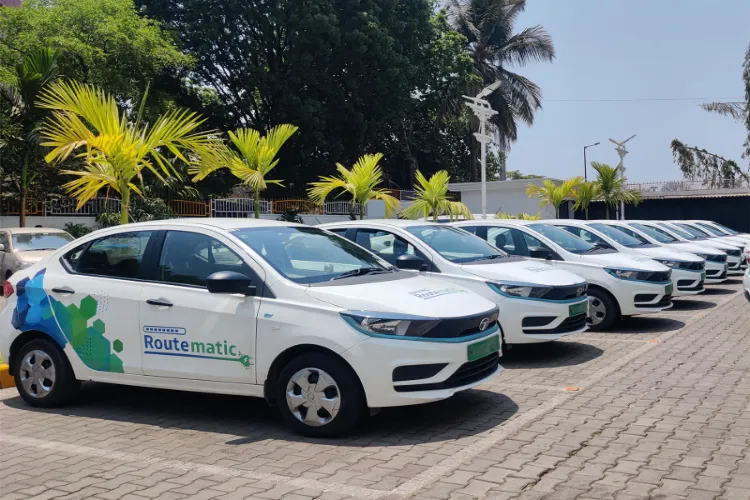
India’s transition to electric mobility gathered significant momentum in FY26, with total electric vehicle (EV) retail sales rising by 24.6 per cent year-on-year to approximately 24.52 lakh units, according to data released by the Federation of Automobile Dealers Associations (FADA).
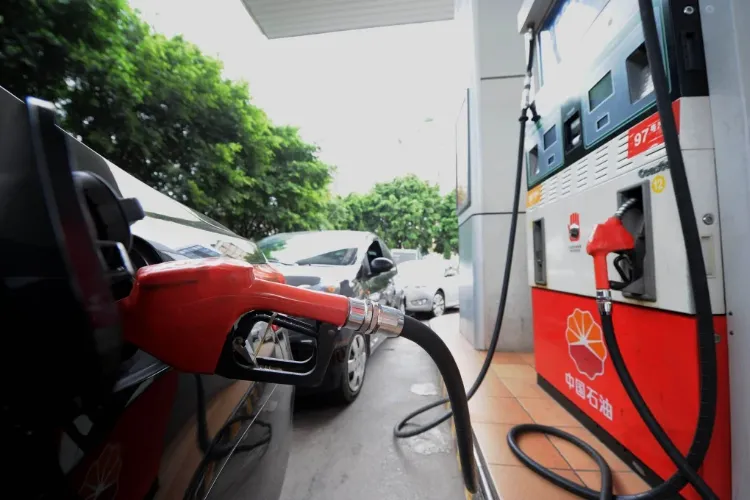
The surge in EV adoption comes against the backdrop of elevated global crude oil prices—hovering around USD 100 per barrel—driven by instability linked to the West Asia crisis. Given that India imports nearly 88 per cent of its crude oil requirements, the shift toward electric mobility carries significant strategic importance for energy security.
India’s EV expansion in FY26 was broad-based across vehicle categories:
The rapid growth of EVs assumes added significance at a time when global energy markets are volatile. Rising crude prices directly impact India’s import bill and fuel-driven inflation, exposing vulnerabilities in an oil-dependent economy.
Each incremental gain in EV adoption—particularly in high-usage segments like two-wheelers, auto-rickshaws, and commercial fleets—contributes to reducing reliance on imported fossil fuels.
Commenting on the trend, FADA President C S Vigneshwar described FY26 as a “watershed year” for India’s electric mobility journey. He emphasised that the transition is no longer limited to premium or urban segments but is expanding across mass-market categories.
The data indicates that India’s EV shift is evolving into a structural transformation rather than a niche trend. It reflects a broader economic and strategic response to global energy uncertainty, particularly as geopolitical tensions continue to disrupt oil supply chains.
READ MORE: Against odds, Saba Anjum becomes India’s speedy forward
In this context, India’s EV push is not just an environmental initiative but a critical component of its long-term energy security and economic resilience strategy.




.webp "S. Irfan Habib with Saquib Salim in Deen Aur Duniya")








.webp "Representational Image")



.webp)